
Average Settlement For a Broken Bone in a Car Accident in California
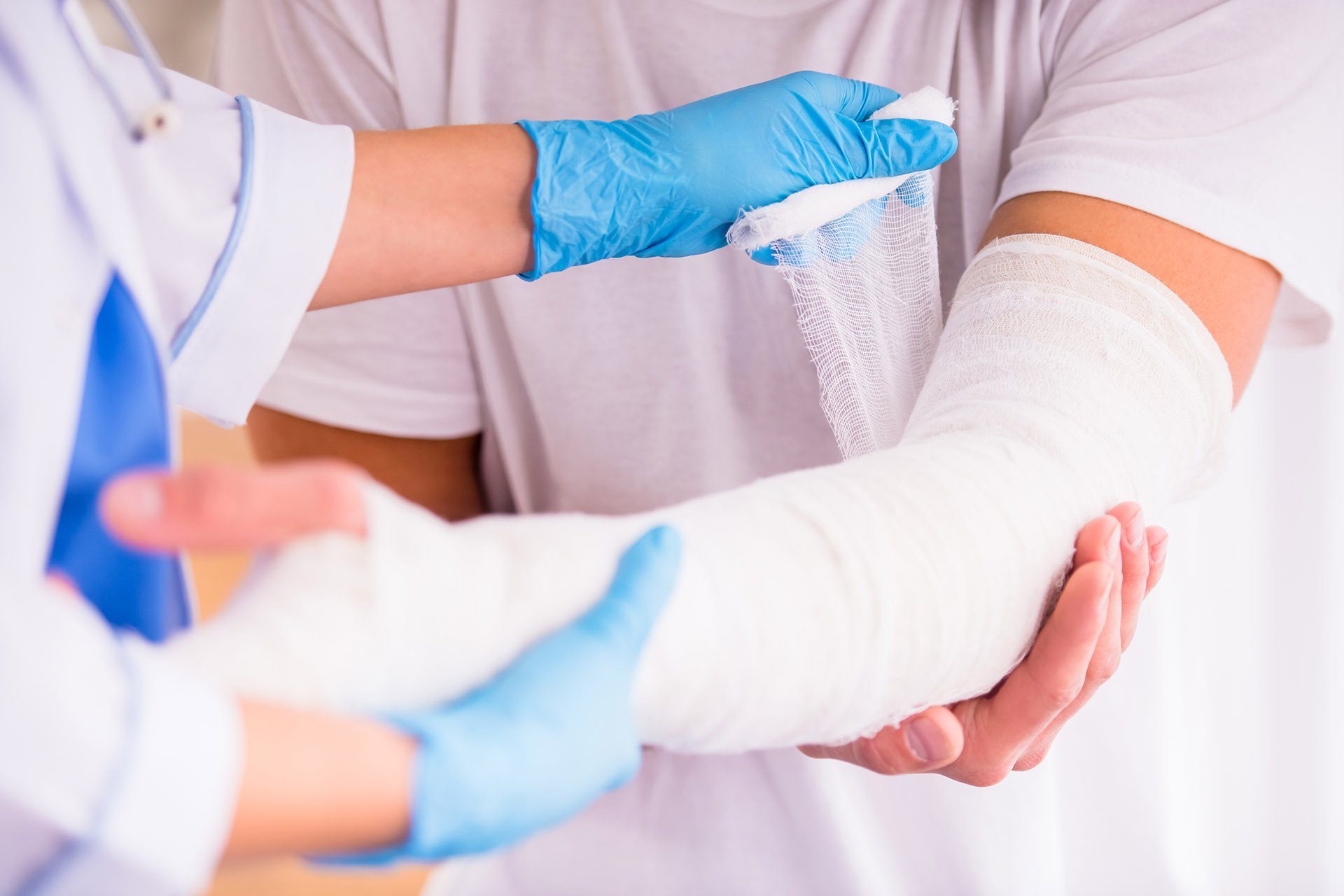
There is no standard figure for broken-bone settlements from California car accidents. What a claim is worth depends on the specifics of the case: a non-surgical fracture like a clean rib or wrist break is valued very differently from one requiring surgical fixation, plates, or screws, and long-term hardware, permanent loss of motion, or a comminuted fracture changes the case again. Civil Code 3333 is what makes future hardware removal and lost earning capacity compensable now, Civil Code 1714 establishes the duty of ordinary care, and Code of Civil Procedure 335.1 gives you two years from the crash to sue. Settlement value tracks documented medical specials, wage loss, and the at-fault policy limit, which is often the real ceiling at California’s $30,000 per-person minimum under Vehicle Code 16056 for policies issued or renewed on or after January 1, 2025. CCP 335.1 gives you two years to file suit. This guide breaks the analysis down.
Key Takeaways
- There is no standard settlement amount for a fracture; surgery is the biggest single question. Long-term hardware, permanent loss of motion or a comminuted fracture pushes the case higher still, but what a claim is worth depends on the specifics of the case.
- Which bone broke sets the band. Broken ribs, a broken arm, a broken hip and a broken leg are valued on different facts, with the surgical question driving each one, and none of them has a standard figure.
- Value tracks the medical specials. Non-economic damages are figured on top of the documented bills according to the severity and permanence of the fracture, then wage loss is added and the at-fault policy limit caps what is collectable. There is no standard multiplier, which is why a documented treatment record matters more than the severity you describe.
- Future costs count now, and the clock is two years. Civil Code 3333 is what makes future hardware removal and lost earning capacity compensable today, Civil Code 1714 supplies the duty of ordinary care, Code of Civil Procedure 335.1 gives two years from the crash, and Government Code 911.2 only six months where a public entity is at fault.
- Feher Law handles these cases on full contingency. You pay nothing unless we win.

Broken bone compensation amounts in more detail
There is no standard settlement amount for a broken bone in a California car accident. What a claim is worth depends on the specifics of the case, and the bone that broke sets the questions that matter:
- Broken ribs: the number of ribs, lung complications and breathing impact drive the value.
- Fractured foot: the specific bone involved and walking boot versus surgery drive the value.
- Broken foot: mobility impact and weight-bearing limitations drive the value.
- Broken arm: the dominant arm and simple versus compound fracture drive the value.
- Sacrum fracture: spinal involvement and chronic pain development drive the value.
- Broken collarbone: surgical hardware and shoulder function impact drive the value.
- Broken clavicle: conservative versus surgical treatment drives the value.
- Broken hip: age and replacement surgery needs drive the value.
- Broken leg: the location of the fracture and rehabilitation length drive the value.
- Broken tibia and fibula: single versus dual bone fracture and surgical complexity drive the value.
- Broken leg with surgery: multiple procedures and hardware complications drive the value.
- Broken femur: the strongest bone in the body, so extensive rehabilitation drives the value.
This is general information, not a prediction of what any case is worth. Every case depends on its own facts, the evidence, the law that applies, and the insurance available. Past results do not guarantee a similar outcome. This is not legal advice.
Broken clavicle settlements
There is no standard settlement amount for a broken clavicle in a car accident. What a claim is worth depends on the specifics of the case, including the complexity of the fracture, whether surgery is needed, and the extent of rehabilitation required.
Broken leg settlements
A broken leg in a car accident has no standard settlement amount. What a claim is worth depends on the type of fracture, the necessary medical treatments, and the long-term impact on the victim’s life.
The part of the leg that broke changes the analysis:
- Fibula (calf) fractures: the fibula does not bear weight, so these sit at the lower end of leg fractures.
- Tibia (shin) fractures: the tibia carries weight, so recovery and limitation matter more.
- Femur (thigh) fractures: almost always surgical, with the longest rehabilitation.
Broken tibia and fibula settlements
There is no standard figure for broken tibia and fibula injuries in California. These lower leg fractures are among the most common serious injuries in car accidents, particularly in high-impact collisions where the leg becomes trapped or compressed against the vehicle’s interior.
What a claim is worth depends on whether one or both bones are fractured. An isolated fibula fracture is valued below an isolated tibia fracture because the tibia, not the fibula, carries the weight-bearing function.
When both bones are fractured simultaneously, the surgical complexity and extended recovery time push the case higher still, but there is no standard amount for it.
Additional reading: Huntington Beach car accident broken bone attorney
Broken femur compensation
There is no standard compensation figure for a broken femur in a California car accident; what a claim is worth depends on the specifics of the case, and severe complications push these cases significantly higher.
The femur, being the body’s longest and strongest bone, requires tremendous force to fracture, typically occurring in high-speed collisions or direct impact crashes.
These injuries almost always necessitate surgical intervention with metal rods, plates, or screws, followed by extensive physical therapy and rehabilitation lasting 6-12 months.
Broken leg with surgery settlements
A broken leg requiring surgery is a serious injury often resulting from high-impact car accidents, and there is no standard settlement amount for it. What a claim is worth depends on the specifics of the case.
As you would expect, the higher values involved with a surgery stem from covering the medical bills and rehabilitation expenses. In addition, the injured party is more likely going to need more time away from work. This is compared to small breaks and fractures, which don’t tend to need surgery or a prolonged stay in hospital/rehabilitation.
Broken arm settlements in a car accident
Compensation for a broken arm in a car accident varies widely based on the nature of the fracture, and there is no standard figure.
Key considerations include the type of break (simple or compound), the necessity for surgery, and any restrictions on the individual’s ability to perform daily tasks. More complex fractures, especially those affecting job performance or requiring multiple surgeries, drive higher settlement values.
Ribs
Broken ribs are commonly less severe than other bone injuries but can still lead to significant pain and limitations. There is no standard settlement amount for them; what a claim is worth depends on the specifics of the case.
These claims generally cover medical expenses, pain and suffering, and any impact on the victim’s daily life. Cases where multiple ribs are broken, or complications arise, are valued more heavily, particularly if the injuries affect lung function or cause other internal damage.
Broken foot settlements
A broken foot in a car accident has no standard settlement amount.
What a claim is worth depends on the type of fracture, required medical treatment, and recovery time. Complex fractures involving surgery or long-term impact on mobility are valued more heavily. Foot injuries can significantly affect an individual’s ability to walk and work, influencing the overall compensation.
Fractured foot settlements
Fractured foot settlements in California car accident cases have no standard figure; what a claim is worth depends on the specific bones involved and treatment complexity.
Minor hairline fractures of the metatarsals or toe bones are valued below more significant fractures involving the heel bone (calcaneus) or ankle-adjacent bones.
These injuries frequently occur when drivers instinctively brace for impact, pressing forcefully against brake or accelerator pedals, or when feet become trapped during vehicle deformation in moderate-speed collisions.
Treatment variations significantly influence value, with non-surgical cases involving walking boots or casting at the lower end, while fractures requiring surgical pins or screws command higher compensation.
Broken hip settlements
Broken hips, especially in older individuals, can be severe and require extensive medical treatment and rehabilitation. There is no standard settlement amount; what a claim is worth depends on the specifics of the case.
These claims account for surgeries, prolonged physical therapy, potential for permanent disability, and the impact on one’s quality of life. High medical expenses and long recovery times often make these cases more valuable compared to other bone injuries.
Sacrum fracture settlements
Sacrum fracture settlements have no standard amount. What a claim is worth depends on the specifics of the case: the severity of the fracture, associated medical costs, needs for long-term care, and any permanent limitations on mobility or function.
Sacrum fractures, located at the base of the spine, can be particularly painful and debilitating. These injuries often result from high-impact collisions and entail lengthy recovery periods.
Additional reading: broken sternum car accident settlement
Broken collarbone compensation payouts
Broken collarbone compensation in California car accident cases has no standard figure; what a claim is worth depends on the fracture’s complexity and treatment requirements.
Simple clavicle fractures that heal with conservative treatment are valued below complex breaks requiring surgical intervention with plates and screws. The clavicle’s prominence makes it particularly vulnerable in side-impact collisions and rollover accidents, where the shoulder area absorbs significant force.
Surgical complications significantly increase settlement values, especially when hardware removal becomes necessary or when patients develop chronic pain syndromes.
Non-surgical cases still command substantial compensation due to the extended healing time – typically 8-12 weeks in a figure-eight brace or sling – and the impact on daily activities like driving, lifting, and sleeping.
Additional reading: how much to expect from a car accident settlement in California

How to maximize a settlement amount
To maximize a car accident settlement amount, it’s important to take several strategic steps:
- First, document everything related to the accident. This includes taking photographs, obtaining police reports, and keeping medical records. Detailed documentation helps build a strong case for a higher settlement amount.
- Second, seek immediate medical attention. Prompt medical care ensures your injuries are properly documented, which is essential for proving their severity and securing appropriate compensation.
- Next, hire an experienced attorney. An attorney specialized in car accident cases can negotiate effectively with insurance companies, helping you maximize your settlement amount. They understand the intricacies of the legal system and can gather relevant evidence.
- Avoid accepting the first offer from the insurance company. Initial offers are often lower than what you may deserve. Negotiate and demonstrate the actual costs and damages incurred.
- Also consider the long-term impacts of the injuries. Future medical expenses, rehabilitation costs, and any potential loss of earnings need to be taken into account when negotiating the settlement amount.
- Lastly, stay consistent in your statements. Any inconsistencies in your accounts of the accident or injuries could weaken our case and reduce the settlement amount.
💡 Examples of similar claims can be useful – personal injury settlement amounts examples commonly range from smaller sums for non-invasive injuries to significant compensation for extensive rehabilitation needs.
Additional reading: how much money can a passenger in a car accident
For further expert guidance, a San Bernardino car accident lawyer from our firm is at-hand
Factors Affecting Broken Bone Injury Settlement Amounts in California
Several factors can influence the settlement values for a broken bone in a car accident in California. These include:
- The severity and type of the bone injury
- Associated medical costs
- Lost income
- Non-economic damages
Let’s look at these in more detail to see how they might impact your personal injury case
Severity and type of the bone injury
A simple fracture may result in a lower settlement compared to a complex fracture that requires surgery and long-term rehabilitation.
Multiple fractures or injuries involving weight-bearing bones like the legs can lead to higher compensation due to increased recovery time and medical interventions.
In cases of compound fractures, where the bone pierces the skin, the settlement can be significant. This is due to the higher risk of complications and the need for more intensive medical care.
Similarly, injuries that cause permanent impairment or disability will likely result in larger settlements to cover ongoing care and lifestyle adjustments.
Medical costs associated with the injury
Medical costs encompass emergency room visits, surgeries, hospital stays, medication, physical therapy, and follow-up appointments. These costs can quickly add up, influencing the settlement amount.
We must consider both immediate and long-term medical expenses, especially if the injury requires multiple surgeries or continuous rehabilitation.
California’s high cost of healthcare means that even minor bone injuries can lead to substantial medical bills.
Insurance companies and legal representatives will examine these costs closely when determining a fair settlement. Detailed medical records and invoices will support the negotiation process, ensuring that all expenses are covered.
Lost income and earning capacity
If the injury has caused the victim to miss work or reduced their ability to perform their job, they should be compensated for these losses. This includes wages lost during recovery and any projected future earnings loss.
In cases of severe injuries, the individual might not return to their previous employment or work capacity. For example, a construction worker with a shattered leg bone might face permanently reduced mobility, affecting their ability to work.
Non-economic damages
Non-economic damages, such as pain and suffering, emotional distress, and loss of enjoyment of life are more subjective and harder to quantify but are critical for comprehensive compensation. Jurors and insurance adjusters consider the injury’s impact on quality of life.
Pain and suffering can vary significantly depending on the individual’s experience. For someone with chronic pain resulting from a severe fracture, the non-economic damages can be substantial.
Legal representation often leverages personal testimonies and expert evaluations to effectively argue for higher settlements in these areas.
Additional reading: what is the average settlement for nerve damage?
What Is Your Car Accident Case Really Worth?
Discover how much compensation you could receive with our car accident settlement calculator. Enter your case details to get a quick and accurate estimate of your claim.
Disclaimer: The results generated by this car accident settlement calculator are for informational purposes only. They are not legal advice or a substitute for professional evaluation. This tool offers a general estimate and does not reflect the unique details of your case, such as specific laws, liability factors, or additional specifics

California car accident laws affecting settlements
In California, several laws directly impact the settlement amounts in car accident cases. These include comparative negligence rules, auto insurance coverage limits, and the statute of limitations for filing claims.
- Comparative Negligence Rules: California follows a “pure comparative negligence” system. This means that even if you are partially at fault for an accident, you can still recover damages. However, your compensation will be reduced by your percentage of fault. For instance, if you are 30% at fault, you would receive 70% of your damages. Civil Code 1431.2 then apportions a multi-defendant case, leaving each liable for all of your economic losses but only its own share of the pain and suffering.
- Auto Insurance Policies and Coverage Limits: Vehicle Code 16056 sets the minimum liability insurance, and it rose on January 1, 2025. A policy issued or renewed on or after that date must carry $30,000 per person and $60,000 per accident for bodily injury, plus $15,000 for property damage. Policies written earlier and still in force may carry the previous $15,000, $30,000 and $5,000 limits. Additionally, underinsured and uninsured motorist coverage can provide additional compensation if the at-fault driver lacks adequate insurance.
- Statute of Limitations: In California, the statute of limitations for filing a car accident claim is generally two years from the date of the accident. Failing to file within this period can result in losing the right to seek compensation. If the injury is discovered later, the statute of limitations may begin from the discovery date, a claim against a public entity must be presented within six months under Government Code 911.2, and a child’s clock is paused until age 18 under Code of Civil Procedure 352.
Additional reading: average payout for a T-bone accident in California

How insurance companies approach broken bone claims
Insurance companies vary significantly in their settlement approaches and negotiation styles. Some insurers are known for making reasonable initial offers that reflect the true value of broken bone cases, while others typically start with lower amounts that require extensive negotiation and documentation to reach fair compensation.
The key is understanding that each company has different internal processes, settlement authority levels, and evaluation criteria for assessing broken bone injuries.
Our experience handling hundreds of broken bone cases has taught us several key strategies for maximizing settlements regardless of which insurance company is involved:
- Comprehensive Documentation: Gather detailed medical records, treatment plans, and expert opinions on future care needs before entering negotiations
- Impact Assessment: Document the full impact of the injury on daily activities, work capacity, and quality of life through detailed journals and witness statements
- Timeline Management: Understand that some insurers move quickly through the process while others require extended review periods for higher settlement amounts
- Expert Witnesses: Engage medical professionals and vocational experts early when dealing with complex fractures or permanent limitations
- Settlement Authority: Research the adjuster’s settlement authority levels to ensure you’re negotiating with decision-makers who can approve fair compensation
- Litigation Readiness: Prepare your case as if it will go to trial, which strengthens your negotiating position and demonstrates serious intent
The most important factor isn’t which insurance company you’re dealing with, but rather having experienced legal representation that understands how to present your case effectively. We know when to escalate negotiations and when litigation may be necessary to protect our clients’ interests, ensuring maximum compensation regardless of which insurer is handling the claim.
Additional reading: Torrance car accident broken bone attorney
The settlement process for broken bone claims
When dealing with broken bone claims from car accidents in California, it is essential to understand the key stages involved:
1. Filing an insurance claim
The first step in the settlement process for broken bone claims involves notifying the at-fault party’s insurance company about the accident and injury. You must provide all relevant details, including the accident report, medical records, and any witness statements.
Timely filing is crucial, typically within a few days after the accident, to avoid any delays in the settlement process.
Accurate documentation ensures that our claim is taken seriously. All bills for medical treatments, such as X-rays, casting, or surgery, should be meticulously recorded and submitted.
Also, keeping a detailed log of your recovery process helps in justifying the claim amount.
Timeline: Generally, insurers have up to 30 days to acknowledge the claim and may take additional time to investigate.
2. Negotiation with insurance companies
Negotiation begins once the insurance company reviews your submitted documents.
They may make an initial lowball offer, which you should typically counter. Your goal is to reach a fair settlement that compensates for medical expenses, lost wages, and pain and suffering.
You may either negotiate directly or employ a personal injury lawyer to ensure you achieve a more favorable settlement. Lawyers can effectively argue the case’s merits, emphasizing the severity of the injury and its implications on your daily life.
Communication: It is vital to keep all communications professional and document every interaction with the insurance adjuster. Detailed written records of offers and counteroffers help track the negotiation’s progress and maintain clarity.
3. Litigation and trial
If negotiations fail to yield a satisfactory settlement, litigation may be necessary. This involves filing a lawsuit against the at-fault party, as well as preparing and presenting your case in court.
The discovery process allows both parties to gather evidence and depositions, which can strengthen your position.
Court Proceedings: Trials can be lengthy and complex, requiring expert witness testimony and comprehensive evidence presentation. You must be prepared for the possibility of depositions, pre-trial motions, and the trial itself.
Potential outcomes include a jury verdict or a judge’s ruling. If the court rules in your favor, the awarded amount could be higher than the insurance company’s offers, yet litigation carries risks and costs.
Timeline for a broken bone car accident settlement
This table gives you an idea of what a timeline may look like for your case. By no means is this a guaranteed timeline:
| Phase | Duration | Key Activities | Your Role |
|---|---|---|---|
| Immediate (0-30 days) | Emergency response | Medical treatment, documentation | Focus on recovery, preserve evidence |
| Treatment (1-6 months) | Ongoing medical care | Establish treatment plan, document progress | Follow medical advice, track expenses |
| Maximum Medical Improvement | Month 6-12 | Final medical evaluation | Complete treatment, get final prognosis |
| Demand Package | Month 8-14 | Compile comprehensive claim | Provide records, work with attorney |
| Negotiation | Month 10-16 | Back-and-forth with insurance | Review offers, provide input on strategy |
| Resolution/Litigation | Month 12-24+ | Settlement or trial preparation | Participate in depositions, trial testimony |
Potential Resolution Times by Case Type:
- Simple fractures with clear liability: 8-12 months
- Complex fractures requiring multiple surgeries: 14-20 months
- Cases involving permanent disability: 18-30 months
- Disputed liability cases: 24-36 months
Hypothetical examples of broken bone verdicts and settlements
Scenario 1: Multi-Vehicle Freeway Collision
A commuter on I-405 suffers multiple rib fractures when a distracted driver causes a chain-reaction collision. The victim requires emergency surgery for a punctured lung and six months of respiratory therapy. The claim is built from California’s high medical costs and lost wages in the tech industry; there is no standard figure for it.
Scenario 2: Pedestrian Crosswalk Accident
A jogger in a marked crosswalk sustains a compound tibia fracture when struck by a right-turning vehicle. The injury requires three surgeries and results in a permanent limp affecting the victim’s career as a fitness instructor. Loss of specialized earning capacity becomes the largest component of the claim; what it is worth depends on the specifics of the case.
Scenario 3: Motorcycle Lane-Splitting Incident
A motorcyclist suffers bilateral arm fractures when a car changes lanes unexpectedly. Despite California’s lane-splitting laws protecting the rider, comparative negligence applies due to excessive speed. The recovery is reduced by 20% for partial fault.
How we can help
We understand the complexities involved in personal injury cases, especially when it concerns broken bones from car accidents in California. Here are just some of the ways our experienced personal injury attorneys can remove the burden from you:
- Personalized Legal Representation: Our team offers tailored legal assistance to guide you through every step of the process. We handle negotiations with insurance companies, documentation, and court proceedings to ensure you receive the settlement you deserve.
- Expertise in Personal Injury: We specialize in various types of injury cases, including brain, spine, and catastrophic injuries. Our deep knowledge and experience make us equipped to tackle even the most challenging cases. We fight to maximize your compensation and ensure justice is served.
- Comprehensive Employment Law Services: In addition to personal injury, we represent individuals in employment-related matters. Whether it’s wrongful termination, discrimination, or retaliation, our dedicated lawyers are here to support you. We aim to protect your rights and secure favorable outcomes in these complex situations.
- Our Process: We begin with a detailed consultation to understand your situation thoroughly. From there, our team formulates a strategy tailored to your specific needs. Communication is key, and we keep you informed throughout the entire legal process.
Additional reading: California car accident broken bone attorney
Why choose us?
- Expertise in personal injury and employment law
- Proven track record of successful case results
- Compassionate and dedicated legal team
- Personalized and strategic legal representation
Ready to take the next step? We’re here to help. Contact us today to schedule a consultation. Let us work towards getting you the justice and compensation you deserve.
Why California Clients Choose Feher Law
Super Lawyers 2022-2026 | Avvo 10.0 Superb | Gerry Spence Trial Lawyers College Graduate
Related Practice Areas
Feher Law represents California clients in the following practice areas relevant to this article:
Related Feher Law Case Results
Real California verdicts and settlements our firm has obtained in similar cases:
- $4.2M Car Accident – Back Injury Settlement #2
- $2M Car Accident – Spine Injury Settlement #1
- $1.6M Car Accident – Neck Injury Settlement #1
Past results do not guarantee similar outcomes. Each case is unique.
Is There an Average Settlement for a Broken Leg in California?
No. There is no standard settlement amount for a broken leg from a California car accident. What a claim is worth depends on the specifics of the case, and the specific bone matters: a fibula fracture, a tibia fracture, and a combined tibia and fibula fracture carry very different treatment paths, recovery times, and permanence, which is what drives the value.
Cases requiring surgical hardware, a second operation, or leaving a permanent limp settle materially higher. You have two years from the date of the crash to file under Code of Civil Procedure section 335.1.
Frequently Asked Questions
What is the average settlement for a broken bone in a California car accident?
There is no standard settlement amount for a broken bone in a California car accident. What a claim is worth depends on the specifics of the case: a non-surgical fracture is valued very differently from a surgical fracture requiring plates, screws, or rods, and compound fractures and cases with permanent hardware are valued higher still.
How long do I have to file a broken bone car accident claim?
Two years from the date of the crash under CCP 335.1. If a government vehicle or unsafe roadway is involved, you must serve a government claim within six months under Government Code 911.2.
What factors increase a broken bone settlement?
Surgical hardware, multiple fractures, permanent restrictions, scarring, lost income, and a clearly at-fault defendant who violated Vehicle Code 22350 or 22107. Strong medical documentation and a vocational expert often change the outcome materially.
Does my health insurance get repaid from the settlement?
Often yes. Health insurers, ERISA plans, Medicare, and Medi-Cal hold liens or subrogation rights on personal injury recoveries. We negotiate every lien down before disbursement so more of the settlement ends up in your hands.
Will my own fault reduce my recovery?
California uses pure comparative negligence, so your recovery is reduced by your fault percentage but never barred. Even a plaintiff 90 percent at fault can recover 10 percent of damages.
How long does a broken bone car accident case take?
Most resolve in 10 to 18 months. Cases involving surgery, multiple defendants, or contested liability often take 18 to 30 months. Do not settle until your treating surgeon confirms maximum medical improvement.
GET A FREE CONSULTATION
Our team is standing by and ready to assist you. Consultations are completely free and confidential. We will help you determine if you have a case.
Understand your claim: Use our free California Personal Injury Settlement Calculator to see the factors that shape a claim, or speak directly with a Torrance personal injury lawyer for a personalized review.
This article is general information published by Feher Law, APC for marketing and educational purposes. It is not legal advice, it is not the opinion of any attorney about any specific case, and it does not create an attorney-client relationship. There is no standard settlement amount for any injury or case. What a claim is worth depends on the specifics of the case, and no result is predicted or guaranteed. Last updated November 2026.
- Over $200 Million Recovered For Clients
- No Fees Unless We Win
- We Fight for Maximum Compensation
- Get The Justice You Deserve
"*" indicates required fields