Latijera Marshall Suffers Broken Femur After LAPD Officer Pulled Her Back by the Wrist During Rampart Call
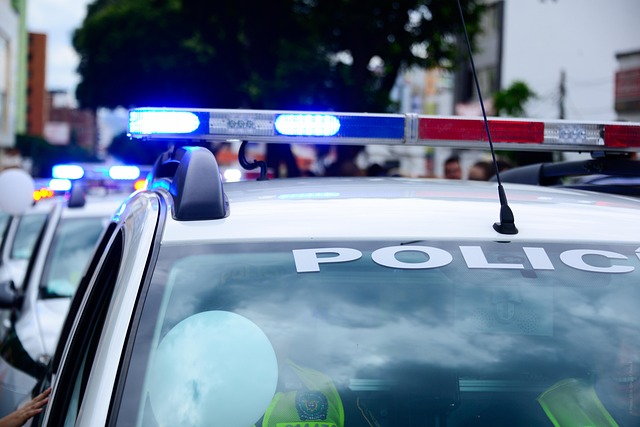
LOS ANGELES, CALIFORNIA (November 5, 2026) – A woman identified as Latijera Marshall was injured in a police use of force incident in the Rampart area of Los Angeles.
Los Angeles County officials are saying that the incident occurred around 7:40 p.m. on Monday, October 26. Rampart Patrol Division officers had responded to a radio call for a man with a gun and were met by a crowd that did not follow their orders to disperse, according to LAPD.
One officer tried to detain Latijera Marshall by taking a firm grip on her left wrist. When she tried to pull away, the officer pulled her back toward him, and she lost her balance and fell to the ground.
Marshall immediately complained of pain in her left leg, and officers called for paramedics. Los Angeles Fire Department personnel took her to Los Angeles General Medical Center.
Latijera Marshall suffered a fracture to her left upper leg, or femur, and was admitted to the hospital pending possible surgery. The department’s release does not say she was armed or explain why officers moved to detain her.
LAPD’s Force Investigation Division was notified of Marshall’s hospitalization and took over the case.
The Force Investigation Division handles incidents in which force by LAPD officers leads to a hospital admission, a category the department reports in its annual use of force review. Under the critical incident video policy, video of force resulting in serious injury is generally released to the public within 45 days.
That footage may answer whether officers warned Marshall before grabbing her, what she was doing, and how forcefully she was pulled. The Rampart Division was also at the center of a late-1990s corruption scandal that an internal board blamed largely on a lack of managerial oversight, a history that makes transparency about force in the area especially important.
Liability for Los Angeles Police Use of Force
Officers in California may use force to make an arrest, prevent escape, or overcome resistance, but only force that is objectively reasonable under the circumstances. Penal Code section 835a declares that every person has a right to be free from excessive force and that police authority to use force must be exercised judiciously and with respect for human dignity. The Fourth Amendment protects people from unreasonable seizures, including excessive force during a detention or arrest. Under Government Code section 815.2, a city can be held responsible for injuries caused by its employees acting within the scope of their jobs. Courts reviewing these cases usually weigh several factors:
- Proportionality: The amount of force should match the seriousness of the situation and the threat a person poses.
- Threat assessment: Officers must base their actions on what a reasonable officer would perceive, not on assumptions about a crowd.
- Resistance level: Pulling away from an officer is treated differently than attacking one, and the response should reflect that difference.
- Control techniques: Training on holds, takedowns, and escorts is meant to prevent falls and serious injuries.
- Medical response: Quick recognition of an injury and a prompt call for paramedics are part of an officer’s duties.
The leading case on police force during stops and arrests came from the U.S. Supreme Court. In Graham v. Connor (1989), a man with diabetes hurried out of a convenience store to get help for an insulin reaction, and officers who found his behavior suspicious stopped and restrained him. He suffered several injuries, including a broken foot, before officers learned nothing had happened at the store and released him. The Court held that all claims of excessive force during an arrest or investigatory stop must be judged under the Fourth Amendment’s standard of objective reasonableness. Courts look at the severity of the suspected crime, whether the person posed an immediate threat, and whether the person was actively resisting or trying to flee.
How Often Police Encounters Turn Physical
Most police contacts involve no force at all. In 2022, about 2 percent of U.S. residents whose most recent contact was initiated by police or involved a traffic accident experienced the threat or use of nonfatal force, according to the Bureau of Justice Statistics. Roughly 4 in 10 of those people believed the force used against them was excessive, the agency reported. In California, control holds and takedowns accounted for 131 of the 633 civilians involved in serious use of force incidents reported to the state in 2025, second only to gunfire. Anyone hurt during a police encounter can take several steps to protect their rights:
- Document injuries: Photographs, imaging results, and treatment notes help show how serious an injury was and how it happened.
- Request reports: People involved in an incident can ask for the police report and related records.
- Identify witnesses: Bystanders can be hard to find once a crowd disperses.
- Preserve video: Phone recordings and nearby business cameras may be erased within days if no one asks for them.
- Follow-up care: Fractures can require surgery and months of physical therapy, and a complete medical record reflects that recovery.
The way force is applied can turn a brief detention into a life-changing injury. Agencies are expected to train officers in control techniques that reduce the risk of falls, fractures, and other serious harm. People injured by police have the right to a fair account of what happened and to hold agencies accountable when force goes too far. They may also be entitled to compensation for medical care, lost wages, and the disruption an injury brings to daily life.
Investigating Police Use of Force in Los Angeles
We at Feher Law wish a full and speedy recovery to Latijera Marshall. We hope this incident prompts a careful review of how officers detain people in crowded and tense situations. This incident raises serious safety concerns about control techniques that can cause major injuries. How much force is appropriate when officers move to detain someone in a crowd who has not been described as armed?
Have you or a loved one been injured during a police detention or arrest in Rampart, Westlake, or elsewhere in Los Angeles? The law limits how much force officers may use, and people hurt by excessive force may be entitled to compensation for medical care, lost income, and long recoveries. The body camera video, use of force reports, and internal reviews in these cases usually stay in the hands of the police department. Our team of safety advocates and accident investigators can help you understand what happened, from body camera footage and dispatch recordings to bystander video and medical records documenting the injury. If you have legal questions or want help understanding your next steps, we are available anytime at (424) 433-4412.
Other News
- https://feherlawfirm.com/news/shengfeng-wang-arrested-in-alleged-sexual-assault-at-ggs-spa-and-salon-in-monterey/
- https://feherlawfirm.com/news/ronaldo-perez-injured-in-long-beach-hit-and-run-motorcycle-accident/
- https://feherlawfirm.com/news/laura-harker-killed-in-desert-hot-springs-e-bike-accident/