José Luis Bobadilla Says the Smell Felt Like Suffocating as Chiquita Canyon Gas Left Jasmina Valdivia With Burning Eyes and Throat
CASTAIC, CALIFORNIA (November 27, 2026) – Two residents identified as José Bobadilla and Jasmina Valdivia were sickened by a gas eruption at the Chiquita Canyon Landfill in Castaic.
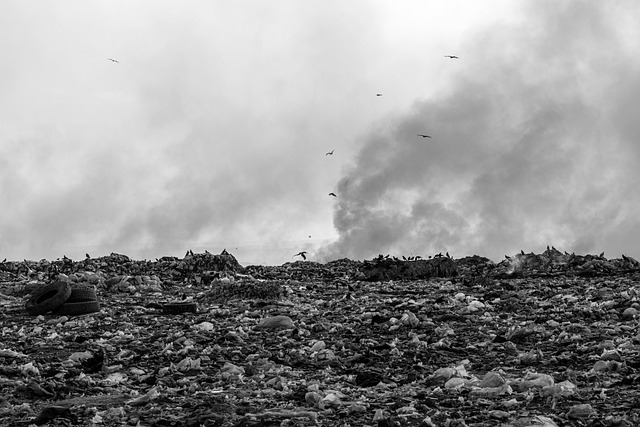
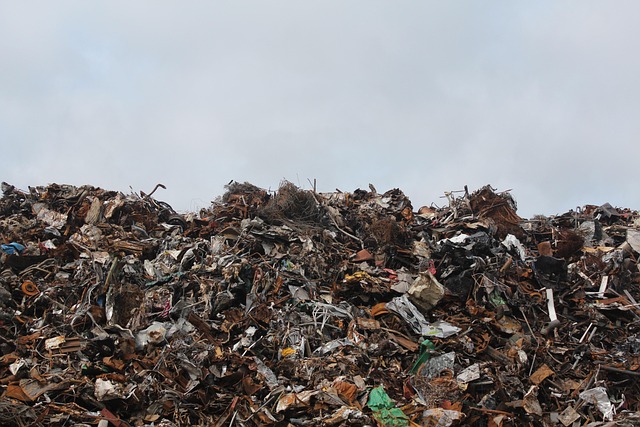
Los Angeles County officials are saying that the eruption occurred around 4:00 p.m. on Monday, November 16. Crews were drilling about 150 feet into the landfill when they struck a pocket of pressurized gas that sent a cloud of gas and decomposing garbage into the sky, according to LAist.
Emergency crews were called as gas and debris rose hundreds of feet. Six workers were taken to hospitals with minor injuries, and the release sent strong odors into Val Verde and Castaic.
Jasmina Valdivia told Telemundo 52 that her eyes and throat burned when the gas was released. José Bobadilla said the smell was worse than anything he had ever experienced and made him feel as though he was suffocating.
Bobadilla also criticized Supervisor Kathryn Barger, saying she was trying to excuse the problem. Another neighbor, Gloria Ramírez, said she worries the buried waste could explode, while a longtime resident showed residue on a car hood and said neighbors have fought the landfill for more than 20 years.
Chiquita Canyon said it has suspended all drilling while it reviews the incident and offered three nights of hotel stays to residents of 12 Val Verde streets. Barger filed an urgent motion demanding answers about the leak and air monitoring, while Assemblymember Pilar Schiavo called for families to be relocated.
The landfill has been dealing with a subsurface reaction since early 2022 that produces increased gases and leachate. In 2024, the EPA found that conditions there presented an imminent and substantial endangerment to nearby communities.
In October, Attorney General Rob Bonta sued the owners and operators over alleged hazardous waste violations, and a September state audit found county Public Health did not inform residents when operator reports showed chemical levels above state thresholds. Those findings raise questions about how well the conditions below the surface were understood before crews began drilling.
Liability for Castaic Landfill Gas Exposure
California law gives neighbors several ways to hold a facility responsible when gas or debris escapes onto their property and into their lungs. Civil Code section 3479 defines a nuisance to include anything injurious to health or offensive to the senses that interferes with the comfortable enjoyment of life or property. Negligence claims focus on whether an operator failed to monitor, control, or warn about hazards it knew or should have known about. For some especially dangerous activities, courts impose responsibility even without proof of carelessness. Liability for a gas release that reaches nearby homes often turns on these issues:
- Gas Control: Operators are expected to run collection systems that capture landfill gas before it escapes into the air.
- Hazard Awareness: Companies that know about heat or pressure building underground are expected to plan their work around it.
- Air Monitoring: Continuous testing near homes shows what residents actually breathed and for how long.
- Prompt Warnings: Facilities and agencies may have duties to alert neighbors quickly when a release begins.
- Relief Measures: Hotel stays, air purifiers, and relocation help can reduce harm while conditions are brought under control.
The California Supreme Court applied strict liability to escaping gas in Luthringer v. Moore (1948). In that case, a pest control operator fumigated basement rooms in a Sacramento commercial building with hydrocyanic acid gas, and the gas seeped into a pharmacy upstairs. An employee who arrived to open the store lost consciousness and was hospitalized with cyanide poisoning. The court held the operator liable without fault, reasoning that the gas was lethal, difficult to confine, and used in a specialized activity that endangered people nearby. The decision remains a cornerstone for holding those behind dangerous gas releases responsible to their neighbors.
Landfill Gas and the Communities Around It
Landfills produce gas as buried waste breaks down, and the EPA reports that municipal solid waste landfills were the third-largest source of human-related methane emissions in the United States in 2022, about 14.4 percent. According to the ATSDR, landfill gas is typically about half methane and half carbon dioxide, with small amounts of sulfides and other organic compounds. Those trace compounds produce the strong odors neighbors usually notice first. Short-term symptoms often fade when exposure ends, but repeated releases can disrupt daily life for months or years. Families living near a troubled landfill can take several practical steps:
- Report Odors: Complaints filed with the local air district create an official record tied to specific dates and times.
- Track Symptoms: Writing down headaches, nausea, or breathing problems as they happen helps doctors and investigators.
- Seek Care: A medical visit documents symptoms and rules out more serious conditions.
- Save Notices: Copies of alerts, hotel offers, and letters from the operator or agencies show what residents were told and when.
- Photograph Residue: Pictures of ash, debris, or dark particles on homes and cars help preserve evidence of a release.
Living near an industrial site should not mean giving up clean air or peace of mind. Landfill operators are expected to monitor what is happening underground and act before conditions threaten workers or neighbors. When those systems fail, public agencies can order corrective action, but private accountability matters too. Injured workers and affected residents may be entitled to compensation for medical costs, lost income, and the disruption to their lives.
Investigating Landfill Gas Exposure in Castaic
We at Feher Law wish good health and a full recovery to José Bobadilla and Jasmina Valdivia. We hope the companies and agencies involved are held accountable and that stronger safeguards finally keep landfill gas out of the homes and lungs of people living nearby. This release raises serious safety concerns about drilling into a landfill already known to be reacting underground. What did those overseeing the work know about the pressure and heat below the surface before drilling began?
Have you or a loved one been sickened by landfill gas or toxic exposure in Castaic, Val Verde, or elsewhere in the Santa Clarita Valley? Residents harmed by an industrial site next door may be entitled to compensation for medical care, lost wages, and the disruption to their homes and daily lives. The operators involved usually control the monitoring data, drilling logs, and inspection records that show how a release unfolded and what reached nearby streets. Our team of safety advocates and accident investigators can help you understand what happened, from air monitoring results and well temperature readings to complaint records and accounts from neighbors. If you would like answers to legal questions or a free, independent investigation, we’re available anytime at (424) 433-4412.