After LA County’s Emergency Declaration, Chiquita Canyon Neighbors Weigh Their Options for Their Health and Homes
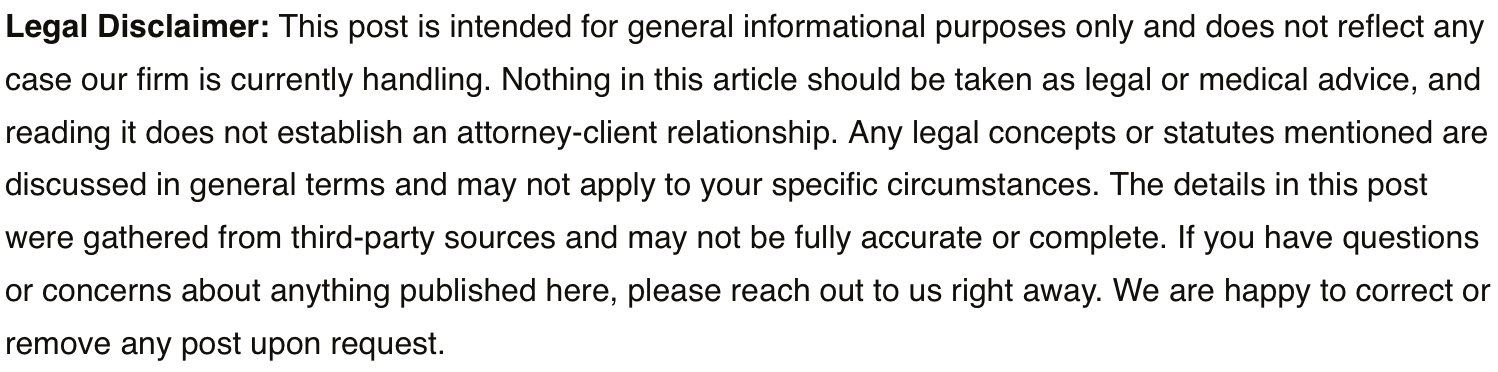
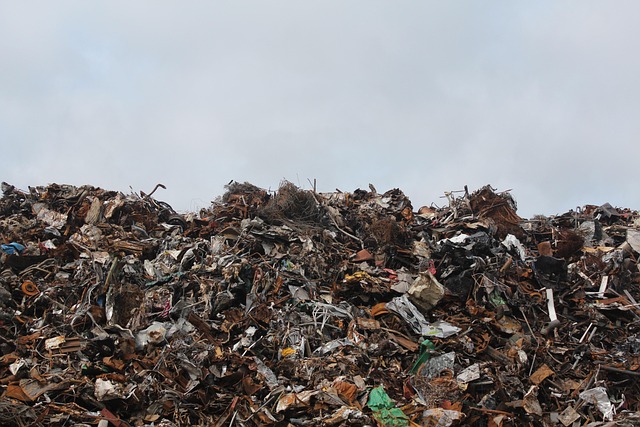
For years, families in Castaic, Val Verde, and nearby Santa Clarita Valley neighborhoods have lived with foul odors, health complaints, and uncertainty tied to the Chiquita Canyon Landfill. Since early 2022, the landfill has been experiencing a subsurface reaction that produces increased landfill gases and leachate, and neighbors have reported headaches, burning eyes and throats, and trouble breathing. When a landfill releases gas into the surrounding community, the people living nearby may have legal options to hold the companies responsible accountable and to recover what they have lost.
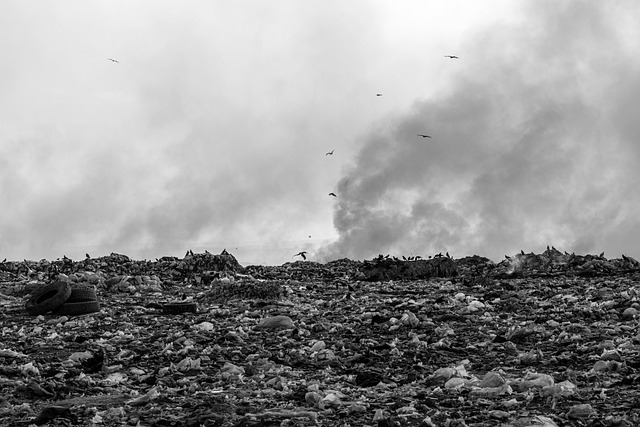
On Tuesday, November 24, the Los Angeles County Board of Supervisors voted unanimously to declare an emergency at the landfill, The Center Square reported, after drilling on November 16 released pressurized gas, black smoke, and debris into nearby communities for more than seven hours. A weekend survey of about 400 households found 90 percent noticed odors and 56 percent felt ill, and operator-funded hotel stays were extended through December 3 while debris test results are pending. If your family has been affected, Feher Law can help you understand your rights and what comes next. Call (424) 433-4412 at any time.
Liability for Landfill Gas Exposure in Castaic
California law gives residents several ways to hold a landfill owner or operator responsible when gas or contamination leaves the site. Civil Code section 3479 defines a nuisance to include anything injurious to health or offensive to the senses that interferes with the comfortable enjoyment of life or property. Negligence claims focus on whether an operator failed to monitor, control, or warn about hazards it knew or should have known about. Some activities are dangerous enough that courts impose responsibility even without proof of carelessness. Liability for a landfill gas exposure often turns on these issues:
- Gas Control: Operators must run collection systems that capture landfill gas before it escapes into the air.
- Temperature Monitoring: Rising heat underground can signal a reaction that requires changes to how the site is managed.
- Regulatory Compliance: Violation notices from air, water, and waste agencies can show a pattern of problems.
- Community Warnings: Residents should be told promptly when chemical levels rise or a release occurs.
- Drilling Safety: Work that disturbs buried waste requires pressure controls and careful planning.
The California Supreme Court applied strict liability to an escaping gas in Luthringer v. Moore (1948). In that case, a pest control operator fumigated basement rooms in a Sacramento commercial building with hydrocyanic acid gas, and the gas seeped into a pharmacy upstairs. A pharmacy employee who arrived to open the store lost consciousness and was hospitalized with cyanide poisoning. The court held the operator liable without fault, reasoning that the gas was lethal, hard to confine, and used in a specialized activity that posed serious risks to people nearby. The decision remains a cornerstone of California law for holding those behind dangerous gas releases responsible for the harm they cause to neighbors.
Health Effects of Landfill Gas Exposure
Landfill gas forms as buried waste breaks down, and it is typically about half methane and half carbon dioxide, with small amounts of sulfides and organic compounds, according to the ATSDR. The EPA reports that municipal solid waste landfills were the third-largest source of human-related methane emissions in the United States in 2022, about 14.4 percent. The trace compounds in landfill gas produce strong odors and can irritate the eyes, nose, and throat. Methane can also explode when it makes up between 5 and 15 percent of the air, according to the federal Landfill Gas Primer. People exposed to landfill gas commonly report symptoms such as these:
- Respiratory Irritation: Coughing, burning throats, nosebleeds, and shortness of breath.
- Eye Irritation: Burning, watering, or red eyes during odor events.
- Neurological Symptoms: Headaches, dizziness, and lightheadedness.
- Digestive Problems: Nausea and loss of appetite during strong odor periods.
- Emotional Strain: Anxiety, poor sleep, and stress from living with ongoing releases.
Short-term symptoms often ease when exposure ends, but repeated releases can wear on a family for years. Children, older adults, and people with asthma or other conditions may feel the effects more severely. Medical records that link symptoms to specific dates and odor events are often the strongest evidence in an exposure claim. Families also deserve honest information from the agencies responsible for protecting public health. Residents who have been sickened may be entitled to compensation for medical care, lost income, and the disruption to their homes and daily lives.
What an Emergency Declaration Means for Residents
A local emergency declaration directs county departments to coordinate their response and can open the door to additional state help. In this case, the Board of Supervisors also urged Governor Gavin Newsom to declare a state of emergency, and supervisors asked county counsel to evaluate recovering response costs from the operators. Officials noted that a local declaration alone does not unlock mortgage relief, forbearance, or property tax portability, which require a state declaration and, for mortgage relief, legislation. Supervisors also criticized the fragmented oversight spread across 12 regulatory agencies. For families living near the landfill, the declaration brings several practical changes and open questions:
- Coordinated Response: County departments are directed to work together on monitoring, outreach, and emergency assistance.
- State Assistance: A governor’s declaration could unlock additional relief that a local declaration cannot provide on its own.
- Temporary Relocation: Operator-funded hotel stays were extended through December 3 while debris test results are pending.
- Longer-Term Relocation: Supervisor Kathryn Barger has called for relocation help for residents who no longer want to live near the landfill.
- Cost Recovery: County counsel is evaluating whether the county can recover its response costs from the operators.
An emergency declaration is a public tool, and it does not resolve the private claims of families who were harmed. Residents keep their own rights to pursue accountability, whatever public agencies decide to do. Assistance offered under a public health order may ease immediate hardship, but it is not the same as full compensation for illness, lost income, or damage to a home. Families should keep records of every form of help they receive, including hotel stays, air purifiers, and transportation. Those records can matter later when the full cost of living near the landfill is added up.
Deadlines for Toxic Exposure Claims in California
Timing matters in exposure cases. Under Code of Civil Procedure section 340.8, a lawsuit for injury or illness from exposure to a hazardous material or toxic substance generally must be filed within two years of the injury or of the date the person knew, or reasonably should have known, that it was caused by someone else’s wrongful act. That discovery rule recognizes that people exposed to chemicals do not always connect their symptoms to a source right away. Claims against public agencies follow separate, shorter procedures that must be completed before any lawsuit can be filed. Several deadlines can apply to the same family at once:
- Exposure Injuries: Two years from the injury or from reasonable discovery of its cause under section 340.8.
- Children’s Claims: The California Supreme Court has noted that the toxic exposure statute permits tolling during minority and periods of mental incapacity.
- Agency Injury Claims: A written claim for personal injury against a public agency generally must be presented within six months of the incident.
- Agency Property Claims: Claims for damage to real estate generally must be presented to a public agency within one year.
- After a Denial: Once an agency denies a claim, the claimant typically has six months to file a lawsuit in court.
Because these rules overlap, a family can lose part of a case without realizing a deadline has passed. Repeated releases can also make it harder to pinpoint when a particular injury began. Writing down when symptoms first appeared and when you first suspected the landfill can help establish the timeline. Families who are unsure where they stand benefit from learning their deadlines early, while records and memories are fresh. Acting promptly also preserves the widest range of options for holding the responsible parties accountable.
Evidence That Strengthens a Landfill Exposure Claim
Exposure claims depend on connecting what a person breathed to what the landfill released and when. The strongest claims are built on records made at the time, rather than recollections pieced together months later. Medical documentation shows how symptoms affected a person, while complaint records and photographs tie those symptoms to specific dates and events. Public monitoring data and regulatory files can then show what was happening at the site during those same periods. Useful evidence for residents often includes:
- Medical Records: Doctor visits that document symptoms soon after odor events or releases.
- Complaint Records: Copies or confirmation numbers for complaints filed with the South Coast Air Quality Management District.
- Symptom Logs: Dated notes describing what each family member felt and when.
- Property Evidence: Photos and video of ash, debris, or residue on homes, cars, and yards.
- Expense Records: Receipts for hotel stays, air purifiers, medical care, and missed work.
Public records can carry significant weight alongside a family’s own documentation. The state audit of the county’s response found that Public Health did not inform residents when operator reports showed some chemical levels above state thresholds. Attorney General Rob Bonta’s lawsuit against the landfill’s owners and operators lays out the state’s allegations about hazardous waste violations. Violation notices, monitoring reports, and inspection records from regulators can also help show what was known and when. Together with a family’s own records, these documents can turn a frustrating experience into a clear account of what happened.
Rights of Workers Injured at Landfill Sites
Workers face some of the most direct risks when buried waste is disturbed. Six people were taken to hospitals with minor injuries after the November 16 release, according to LAist. Workers’ compensation is generally the exclusive remedy against an injured worker’s own employer, and it covers medical care and a portion of lost wages without requiring proof of fault. But Labor Code section 3852 preserves a worker’s right to seek full damages from other parties whose negligence caused the injury. On a landfill site, several parties may share responsibility for a worker’s safety:
- Employer Benefits: Workers’ compensation covers medical treatment and partial wage replacement regardless of fault.
- Third-Party Claims: Owners, operators, and other companies whose negligence contributed to an injury can be held responsible beyond workers’ compensation.
- Retained Control: Under Hooker v. Department of Transportation, a company that hires a contractor can be liable if it controls the work in a way that contributes to the injury.
- Concealed Hazards: Under Kinsman v. Unocal Corp., a hirer may be responsible for failing to warn of a hidden danger it knew about.
- Safety Records: Drilling plans, gas monitoring logs, and safety meeting notes can show what risks were understood before work began.
Landfill work is often performed by contractors and subcontractors rather than by the site owner’s own employees. That arrangement can make it harder for an injured worker to see who controlled the work and who knew about underground hazards. A worker who receives workers’ compensation can still pursue a separate claim against a responsible third party. Injured workers should keep records of their medical treatment, the tasks they were assigned, and any safety concerns raised before the incident. Those details help determine whether responsibility extends beyond the worker’s direct employer.
Investigating Landfill Gas Exposure in Castaic
We at Feher Law wish a full recovery to the workers who were hurt and to the families in Castaic and Val Verde who have fallen ill. We hope the companies responsible for the landfill are held accountable and that lasting safeguards finally give these neighborhoods clean air and peace of mind. The emergency declaration underscores serious safety concerns about a landfill that has been reacting underground for years. What will it take to bring the reaction beneath the landfill under control and keep these releases from reaching homes?
Have you or a loved one been sickened by landfill gas or toxic exposure in Castaic, Val Verde, or elsewhere in the Santa Clarita Valley? Residents and workers harmed by an industrial site may be entitled to compensation for medical care, lost income, and the disruption to their homes and daily lives. With a dozen regulatory agencies involved, the monitoring data and inspection records that show what happened are often spread across many hands. Our team of safety advocates and accident investigators can help you understand what happened, from air monitoring results and subsurface temperature readings to violation notices and neighbor accounts. If you have questions about your rights or would like a free, independent investigation, we’re here for you anytime at (424) 433-4412.
Frequently Asked Questions About Chiquita Canyon Landfill Claims
Who can bring a claim related to the Chiquita Canyon Landfill?
Residents who were sickened, people whose property was damaged or whose use of their homes was disrupted, and workers injured at the site may all have claims. Each situation depends on the facts, including where a person lives, what symptoms they experienced, and what records exist.
Do I need a diagnosis to have a claim?
Not necessarily, but medical documentation helps. A doctor’s visit that records symptoms such as headaches, nosebleeds, or breathing problems close to the time of an odor event creates valuable evidence linking those symptoms to the exposure.
Does accepting a hotel stay from the operator affect my rights?
Temporary relocation offered by the operator under a public health order is a form of emergency assistance. Before signing any document in exchange for money or services, residents should read it carefully to see whether it releases any claims.
What if I moved away from the area because of the odors?
People who relocated may still have claims for the costs and disruption the move caused, along with any health effects they experienced while living near the landfill. Keeping leases, moving receipts, and records of the dates you left is important.
How long do I have to act?
Exposure injury claims in California are generally subject to a two-year deadline that runs from the injury or from when a person reasonably discovered its cause. Claims involving a public agency can require a written claim within six months, so it is wise to learn your deadlines early.
What evidence should I gather now?
Save medical records, complaint confirmations, photos of residue, receipts for expenses, and any notices you received from the operator or public agencies. A simple daily log of symptoms and odors can also help show how the landfill has affected your family.