Dennis L. Romero Was Found Unresponsive in a Shared Cell at California State Prison, Sacramento
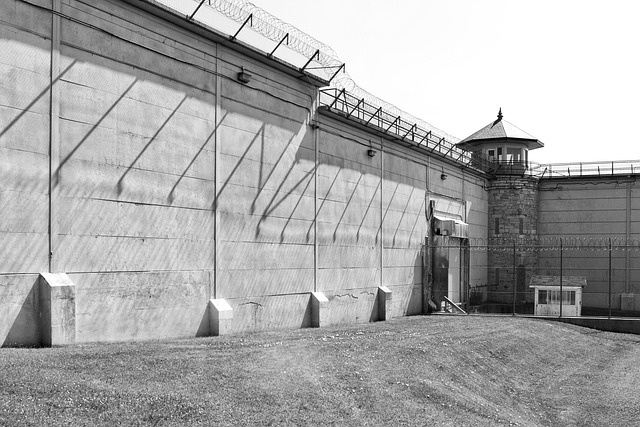
FOLSOM, CALIFORNIA (November 13, 2026) – A 49-year-old incarcerated man identified as Dennis Romero died in a suspected homicide inside his cell at California State Prison, Sacramento, in Folsom.
Sacramento County officials are saying that the death was discovered around 2:51 p.m. on Thursday, November 5. Dennis Romero was in the cell he shared with a 23-year-old cellmate when staff found him unresponsive, according to the California Department of Corrections and Rehabilitation.
Staff called 911 and began life-saving measures while moving him to the prison’s treatment and triage area. Paramedics arrived at the institution, but Romero was pronounced dead at 3:27 p.m.
His cellmate was removed and placed in restricted housing while the prison’s Investigative Services Unit and the Sacramento County District Attorney’s Office look into the death, CBS Sacramento reported. Romero had been in state custody since 1996, when he was received from Humboldt County.
Romero’s death is at least the fourth homicide investigation at the prison this year, according to department announcements. In February, John Cisneros was found unresponsive in his cell and his cellmate was detained, and in August Walter Badelle was found the same way, one week before Danny Aguilar was fatally attacked elsewhere in the prison. In 2025, the prison’s high-security sections were among those CDCR placed on modified movement after what the department called a surge in violence.
Repeated deaths in shared cells raise questions about how cellmates are screened and matched, and how often staff check on the people inside. Families may also wonder what security-check logs and housing-unit cameras show about the hours before Romero was found.
Liability for Folsom Prison Cell Homicides
The Eighth Amendment requires prison officials to take reasonable measures to protect incarcerated people from violence at the hands of other prisoners. Families usually pursue those claims under 42 U.S.C. § 1983, which allows lawsuits against government officials who violate constitutional rights. California law adds its own framework, since Government Code section 844.6 gives public entities broad immunity for injuries to prisoners, with narrow exceptions. One exception, Government Code section 845.6, applies when an employee knows or has reason to know a prisoner needs immediate medical care and fails to take reasonable action to summon it. In cases involving violence between cellmates, responsibility often turns on several recurring issues:
- Housing decisions: Staff are expected to review case files, known enemies, and compatibility before placing two people in the same cell.
- Security checks: Regular rounds are the main way staff learn that someone inside a closed cell is in danger.
- Known threats: Requests to move, prior assaults, or warnings from other prisoners can put officials on notice of a specific risk.
- Weapons control: Searches for improvised weapons and contraband are part of the duty to keep housing units safe.
- Emergency response: How quickly staff recognize a medical emergency and call for help can carry its own legal consequences.
Courts measure these claims against a standard set by the U.S. Supreme Court. In Farmer v. Brennan, decided in 1994, a transgender woman held in federal prison was beaten and raped by another prisoner in her cell less than two weeks after being placed in the general population of a higher-security penitentiary. The Court held that an official violates the Eighth Amendment by acting with deliberate indifference to a substantial risk of serious harm, meaning the official knew of the risk and disregarded it. The justices also explained that such knowledge can be proven through circumstantial evidence, including evidence that the risk was obvious. That framework still governs failure-to-protect claims arising from violence in shared prison cells across the country.
Deaths in Prison Cells and the Records That Follow
The Bureau of Justice Statistics counted 143 homicides in state prisons nationwide in 2019, and the homicide death rate among state prisoners rose from 10 to 12 per 100,000 between 2018 and 2019. Those figures come from the agency’s most recent detailed mortality tables, which cover 2001 through 2019. Each of those deaths left a family trying to learn what happened behind walls they could not see past. Unlike most homicides, a death in custody happens in a place where the government controls nearly every piece of evidence. Families trying to understand a death in a prison cell often focus on a handful of records:
- Coroner findings: The county coroner’s autopsy and cause-of-death ruling is often the first official account of how a person died.
- Housing records: Cell assignment forms and classification files can show how two people came to share a cell.
- Check logs: Records of security rounds help establish when a person was last seen and how long help took to arrive.
- Camera footage: Video from housing-unit tiers may capture who entered or left a cell and when.
- Incident reports: Staff reports and medical records document the emergency response from discovery to the pronouncement of death.
Each of these records is held by the institution or agency that created it, which is why families often need outside help to obtain them. Prisons are responsible for the safety of everyone they hold, regardless of the reason a person is incarcerated. A death in custody deserves the same careful investigation as any other homicide. Families of people who die in prison have the right to seek accountability when officials fail to protect those in their care, including through civil rights claims. California’s claims process for public entities also carries strict deadlines, so understanding those rights early matters.
Investigating Prison Homicides in Folsom
We at Feher Law offer our deepest condolences to the family and loved ones of Dennis Romero. We hope this investigation brings full accountability and leads to changes that prevent similar deaths inside California State Prison, Sacramento. This incident raises serious safety concerns about violence in shared cells at one of the state’s highest-security prisons. What did staff know about the risks in Romero’s cell before he was found unresponsive?
Has a prison homicide or in-custody death in Folsom or elsewhere in Sacramento County affected you or someone you love? The Constitution requires prison officials to take reasonable steps to protect the people in their custody, and families can hold them accountable when those steps are not taken. Because the prison itself controls the housing records, camera footage, and staff reports, families are often left with little more than a short press release. Our team of safety advocates and accident investigators can help you understand what happened, from cell assignment records and security-check logs to coroner findings and accounts from people housed nearby. For answers to legal questions or help understanding your next steps, our team is available at any hour at (424) 433-4412.