Former FCI Dublin Disciplinary Officer David Perez Admits Abusing Two Women Whose Punishments He Controlled
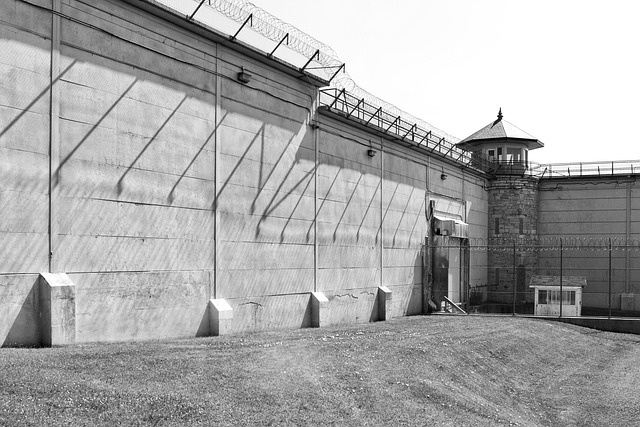
DUBLIN, CALIFORNIA (November 6, 2026) – A former federal prison disciplinary officer identified as David Perez has pleaded guilty to sexually abusing two incarcerated women at FCI Dublin, the now-closed federal women’s prison in Dublin.
Federal officials are saying that the abuse occurred between about August 2015 and December 2017, according to charges filed on Wednesday, September 16, 2026. Perez served as a discipline hearing officer at the low- and minimum-security prison, where he decided rule violations and punishments for incarcerated women.
Prosecutors said Perez presided over four disciplinary hearings involving one woman between 2014 and 2015, found her guilty each time, and sent her to the Special Housing Unit. He admitted telling her he had the power to increase or decrease the time she would spend behind bars, according to the U.S. Attorney’s Office.
In July 2016, Perez sentenced a second woman to more than two weeks in the Special Housing Unit and then abused her on multiple occasions after her release. Charging documents place the abuse in an area called the Captain’s Complex while both women were under his authority.
When federal agents interviewed Perez in October 2024, he falsely claimed he had only touched female inmates while escorting them to and from hearings. Perez pleaded guilty on Wednesday, October 28, to sexual abuse and to making false statements, prosecutors said.
David Perez is scheduled to be sentenced on March 25, 2027. He is the 10th FCI Dublin employee to plead guilty or be convicted in the federal investigation into sexual abuse at the prison.
Perez is the 11th former FCI Dublin official charged with sex crimes, the most at any federal prison in the country, KTVU reported. In December 2024, the federal government agreed to pay nearly $116 million to resolve claims from 103 women abused at the prison, according to the Associated Press.
A separate class action settlement required the Bureau of Prisons to accept a court-appointed monitor and review disciplinary reports that may have been issued to punish or silence women.
Questions remain about whether supervisors ever reviewed how he used his authority over the women who came before him. Survivors may also wonder whether other women who passed through his hearings were affected and never came forward.
Liability for Dublin Prison Sexual Abuse
Federal law makes any sexual act with a person in official detention by someone holding custodial, supervisory, or disciplinary authority over them a crime, regardless of claimed consent, under 18 U.S.C. § 2243. The Prison Rape Elimination Act standards in 28 C.F.R. Part 115 require federal prisons to maintain zero tolerance for sexual abuse, adequate staffing and supervision, and reporting systems that protect people in custody. Survivors abused by federal employees can bring civil claims against the United States under the Federal Tort Claims Act, generally starting with an administrative claim filed within two years. Several recurring issues can shape responsibility in these cases:
- Custodial power: Staff who control discipline, housing, or release dates hold enormous leverage over people in custody.
- Supervision: Prisons must monitor staff interactions, particularly in offices and areas without cameras where abuse is easier to hide.
- Reporting systems: Facilities must offer confidential ways to report abuse and must investigate every allegation promptly.
- Retaliation: Punishing or threatening a person who reports abuse can create separate liability and is prohibited under federal standards.
- Prior warnings: Earlier complaints, internal investigations, and audit findings can show whether an agency knew of a risk and failed to act.
Federal prison cases often turn on whether the government answers for its officers’ intentional misconduct. In Millbrook v. United States, decided in 2013, the U.S. Supreme Court addressed a claim by a federal prisoner who alleged that correctional officers sexually assaulted him while he was in their custody. Lower courts had dismissed his assault and battery claims because the alleged abuse did not happen during a search, seizure, or arrest. The Supreme Court unanimously reversed, holding that the Federal Tort Claims Act’s law enforcement proviso covers intentional torts by federal officers acting within the scope of their employment, regardless of the activity involved. The ruling opened a path to civil accountability for abuse in federal custody.
Reporting Abuse and Holding Institutions Accountable
Sexual abuse by correctional staff is not rare, and it is rarely punished. Correctional authorities nationwide reported 2,229 substantiated incidents of staff-on-inmate sexual victimization from 2016 through 2018, according to a Bureau of Justice Statistics report. Legal action was taken against the staff member in only 38% of sexual misconduct incidents, and the perpetrator lost their job in just 44%. Many survivors stay silent because their abuser controls their daily lives. Survivors and families can protect their rights by taking several practical steps:
- Write it down: Notes about dates, locations, staff names, and witnesses can become critical evidence, even years later.
- Report outside: The Department of Justice Office of the Inspector General accepts reports of misconduct by Bureau of Prisons employees directly.
- Seek care: Medical and mental health records document the harm and can support any later claim.
- Request records: Disciplinary reports, transfer orders, and grievance responses can reveal patterns of retaliation.
- Watch deadlines: Federal claims carry strict filing deadlines.
Prisons hold enormous power over the people inside them. When reporting systems fail and warning signs go unaddressed, abuse can continue for years. Survivors have the right to report what happened without retaliation and to pursue civil claims against the institutions that failed to protect them. They are also entitled to a full accounting of how the abuse was allowed to happen.
Investigating Prison Sexual Abuse in Dublin
We at Feher Law offer our support to the women abused while incarcerated at FCI Dublin. We hope these prosecutions bring accountability and lasting reforms that prevent anyone in federal custody from enduring similar abuse. The case raises serious concerns about how much unchecked power prison staff can hold over the people in their care. How many women at FCI Dublin were too afraid to report abuse by the officials who controlled their punishments?
Have you or a loved one experienced sexual abuse at FCI Dublin or another federal prison in California? Survivors of abuse in custody may be entitled to compensation for the physical and emotional harm they suffered, and federal law allows them to hold the government responsible for its officers’ conduct. In these cases, the Bureau of Prisons controls the disciplinary files, staffing logs, and complaint histories that show how abuse went unchecked. Our team of safety advocates and accident investigators can help you understand what happened, from hearing records and housing assignments to prior grievances that may reveal who knew and when. If you have questions about your rights or would like a free, independent investigation, we’re here for you anytime at (424) 433-4412.