Sheriff’s Deputy Ricky Garcia Faces Five Felony Counts After a Co-Worker Raised Concerns About His Conduct With an Inmate at Las Colinas
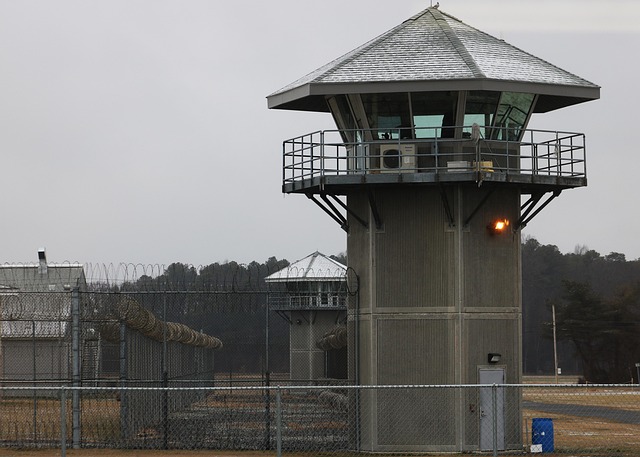
SANTEE, CALIFORNIA (November 18, 2026) – A 37-year-old San Diego County sheriff’s deputy identified as Ricky Garcia has been charged with engaging in sexual activity with an inmate at the Las Colinas Detention and Reentry Facility in Santee.
San Diego County officials are saying that the arrest occurred on Tuesday, November 10, the same day a criminal complaint was filed. Ricky Garcia, a member of the Sheriff’s Office since March 2018, is accused of repeatedly engaging in sexual activity with a woman held at the Las Colinas women’s jail during June and July of this year.
A sheriff’s employee raised concerns about possible inappropriate conduct between Garcia and the incarcerated woman, prompting an investigation by the Sheriff’s Sexual Assault Unit, according to 10News. During that investigation, Garcia was placed on administrative assignment and removed from any role overseeing incarcerated people.
A warrant was issued, and Ricky Garcia was arrested and booked into the Vista jail on five felony counts of engaging in sexual activity with an inmate. He has since been placed on administrative leave pending the outcome of the case.
Sheriff Kelly Martinez called the allegations “abhorrent” and a violation of public trust, according to FOX 5.
The Sheriff’s Office’s own 2024 PREA statistical report lists 15 investigations into staff-on-incarcerated-person sexual abuse or harassment across its jails that year, and none were substantiated. Las Colinas has drawn scrutiny before, including the 2019 death of a pregnant woman in custody that led to criminal charges against a jail doctor. Questions remain about how alleged misconduct could continue over two months before a co-worker spoke up, and what supervision and camera coverage were in place in the areas involved.
Liability for Las Colinas Jail Sexual Abuse
California treats any sexual contact between jail staff and people in custody as a crime. Under Penal Code section 289.6, an employee or officer of a detention facility who engages in sexual activity with a confined adult commits an offense, and the statute states that consent is not a defense. Federal civil rights law under 42 U.S.C. § 1983 also allows people in custody to sue officials who violate their constitutional rights, including the right to be free from sexual abuse. The federal Prison Rape Elimination Act standards further require jails to prevent, detect, and respond to staff sexual abuse. Responsibility in these cases often extends beyond the individual officer.
- Officer conduct: A staff member who uses custodial authority for sexual contact can face both criminal charges and civil claims.
- Supervision: Jail leaders must monitor staff assignments and act on warning signs before abuse continues.
- Staffing policies: Rules on cross-gender supervision, one-on-one contact, and post rotation can reduce opportunities for abuse.
- Camera coverage: Gaps in video monitoring can allow misconduct to go unseen for weeks or months.
- Reporting systems: Jails must offer confidential ways to report abuse and protect those who come forward from retaliation.
Courts have recognized that the power imbalance in custody makes genuine consent nearly impossible. In Wood v. Beauclair, decided by the Ninth Circuit Court of Appeals in 2012, an Idaho prisoner alleged that a female guard who had pursued a relationship with him later performed sexual acts on him without his consent. The court reversed a ruling that the relationship was consensual, holding that sexual conduct between a guard and a prisoner is presumed non-consensual and that the state bears the burden of proving otherwise. California’s Supreme Court has also held, in Mary M. v. City of Los Angeles (1991), that a public employer can be held liable when an on-duty officer misuses official authority to sexually assault someone in custody.
Reporting and Preventing Staff Sexual Abuse in Jails
Staff sexual abuse in jails remains a persistent national problem. A Bureau of Justice Statistics report covering 2016 through 2018 found 357 substantiated incidents of staff sexual misconduct in local jails, and 57 percent of them occurred in areas not under video surveillance. The same report found that perpetrators were convicted, pleaded guilty, or were sentenced in only about 20 percent of those jail incidents. Knowing how reporting works can make a real difference.
- Internal reports: People in custody can report abuse to any staff member, through grievance systems, or through dedicated PREA hotlines.
- Third parties: Family members and friends can report suspected abuse on behalf of someone in custody under federal PREA standards.
- Outside agencies: Complaints can also go to independent oversight bodies, which may investigate separately from the jail itself.
- Medical care: Survivors are entitled to medical treatment and mental health support, and those records can document what happened.
- Records: Housing logs, staff assignments, and video retention policies can become critical evidence and should be requested early.
People held in jail depend entirely on the staff around them for safety. That dependence is exactly why the law treats sexual contact by staff as abuse, no matter how a relationship is described. Agencies that fail to supervise officers, close camera gaps, or act on warnings may share responsibility for the harm that follows. Survivors of custodial sexual abuse have the right to report what happened without retaliation and to pursue accountability in civil court. They may also be entitled to compensation for medical care, counseling, and the lasting effects of the abuse.
Investigating Jail Sexual Abuse in Santee
We at Feher Law send our best wishes for healing and support to the incarcerated woman at the center of this case at Las Colinas. We hope the case leads to stronger oversight inside San Diego County jails and safeguards that prevent anyone in custody from being exploited by the people responsible for their safety. These allegations raise serious safety concerns for every person held in county custody. How did the alleged abuse go on for two months before anyone in a position of authority stepped in?
Have you or a loved one been affected by sexual abuse or misconduct in a jail in Santee or elsewhere in San Diego County? People harmed by staff in custody can hold both the officers and the agencies that employ them accountable, and may be entitled to compensation for medical care, counseling, and the disruption to their lives. When abuse happens inside a jail, the sheriff’s office controls nearly every record that could show how it unfolded. Our team of safety advocates and accident investigators can help you understand what happened, from housing logs and staff assignment records to camera footage and prior complaints. If you have questions about your rights or need support of any kind, we’re here for you at (424) 433-4412.