Mechanic Raul Martinez Reyes Dies After Tripod-Supported Trailer Falls on Him at Otay Mesa Amazon Lot
OTAY MESA, CALIFORNIA (November 16, 2026) – A 64-year-old mechanic identified as Raul Reyes was killed in a trailer accident at an Amazon lot in Otay Mesa.
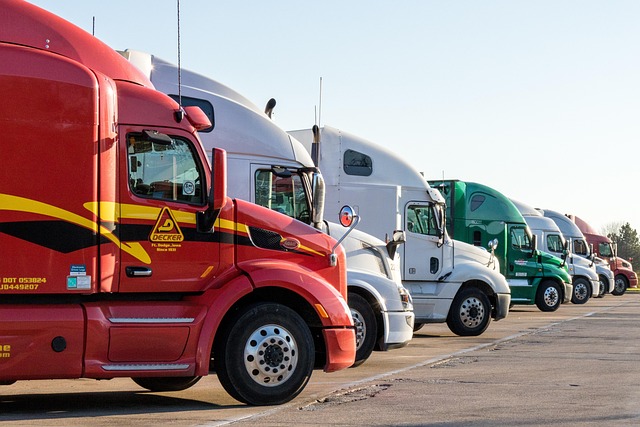
San Diego County officials are saying that the trailer collapse was reported around 10:00 a.m. on Thursday. Reyes had been working on a 53-foot trailer at a lot off Alta Road near Donovan State Prison Road when the trailer, which was attached to a tripod, fell on him.
Cal Fire crews and other first responders were called to the lot. Raul Reyes died at the scene from multiple blunt-force injuries, according to the San Diego County Medical Examiner’s Office.
Cal/OSHA, which investigates workplace deaths, was notified. An Amazon spokesperson told the San Diego Union-Tribune that he was a contract worker not directly employed by Amazon.
Cal/OSHA’s jack safety rule bars workers from entering the zone beneath a jack-supported load unless it has been effectively blocked or cribbed, raising the question of what secondary support, if any, was in place beneath the trailer. Washington safety researchers have documented a 2010 death in which a jack slipped and a semi-truck trailer fell on a mechanic working beneath it.
California investigators have also warned employers not to place jack stands on parts of a vehicle that are not fixed in place. Because Reyes was a contract worker, his family may want to know who owned the lot, who supplied the tripod, and who set the safety rules there.
Under state law, Cal/OSHA generally has six months to issue any citation, so its findings may not be public for some time.
Liability for Otay Mesa Trailer Repair Accidents
California’s Labor Code section 6400 requires every employer to furnish employment and a place of employment that is safe and healthful. Cal/OSHA’s jack regulation adds specific rules, including that a jack’s base must be blocked when it lacks a firm foundation. When a contract worker is hurt or killed, the business that hired the contractor is generally shielded from liability under Privette v. Superior Court (1993), because the contractor bears primary responsibility for its own workers’ safety. That protection has limits, and liability often turns on a few recurring issues:
- Retained Control: A company that directs how repair work is done, rather than simply hiring a contractor to do it, may take on a duty to see that the work is done safely.
- Supplied Equipment: A business that furnishes jacks, stands, or other support equipment can be responsible if that equipment is unsafe.
- Support Practices: Safety rules call for blocking or cribbing beneath a raised load so that a single jack or stand failure does not crush a worker.
- Defective Products: Manufacturers of jacks, landing gear, and trailer components may be accountable when a design or manufacturing defect causes a collapse.
The California Supreme Court drew the line between protected hirers and responsible ones in a pair of 2002 decisions. In Hooker v. Department of Transportation, a crane operator employed by a contractor building an overpass for Caltrans was killed when his crane tipped over after its outriggers were retracted. The court held that a hirer is liable to a contractor’s employee when it retains control over safety conditions and exercises that control in a way that affirmatively contributes to the injury. In the companion case, McKown v. Wal-Mart Stores, the court held that a hirer is liable when its provision of unsafe equipment affirmatively contributes to a contractor employee’s injury. Together, these decisions make equipment and control central questions when heavy equipment fails.
Preventing Crush Injuries During Heavy Vehicle Repairs
Fatal work injuries remain a serious problem in California, where the U.S. Bureau of Labor Statistics counted 419 deaths on the job in 2024. The transportation and material moving occupational group had the highest toll that year, with 110 fatal injuries. According to the California Department of Public Health, Hispanic or Latino workers accounted for 215, or 51 percent, of the state’s workplace deaths in 2024. Many vehicle repair deaths involve a heavy load resting on a single support that gives way, and several practices can reduce that risk:
- Secondary Support: Cribbing or rated jack stands placed under a raised load protect a worker if the primary jack slips or fails.
- Rated Equipment: Every jack and stand should be marked with its rated load and checked to confirm it can carry the weight being lifted.
- Yard Control: Washington investigators found that a rollaway truck struck a trailer and knocked it off its jack stands, killing a mechanic, showing why repair areas need protection from yard traffic.
- Clear Roles: When contractors work on another company’s property, both sides should agree in writing on who provides equipment, who inspects it, and who can stop unsafe work.
Employers, property owners, and equipment suppliers all play a role in making sure heavy loads are properly supported before anyone goes beneath them. State safety investigations can identify violations, but they do not always answer every question a family has. Families who lose a loved one at work have the right to seek a full accounting of what went wrong and to hold negligent parties accountable. Pressing for those answers can also lead to changes that protect the next worker.
Investigating Trailer Accidents in Otay Mesa
We at Feher Law extend our deepest condolences to the family and loved ones of Raul Reyes. We hope that a thorough investigation brings accountability and leads to safety changes that keep other mechanics from suffering the same fate. This tragedy raises serious safety concerns about how heavy trailers are supported while people work beneath them. Who was responsible for making sure the trailer was safely supported before anyone worked under it?
Have you or a loved one been affected by a trailer or heavy equipment accident in Otay Mesa or elsewhere in San Diego County? Families who lose someone in a workplace accident are entitled to a full and honest account of what happened and who was responsible. When the work takes place on another company’s property, that company often controls the site records, equipment logs, and camera footage that show how events unfolded. Our team of safety advocates and accident investigators can help you understand what happened, from equipment inspection records and yard surveillance video to contracts showing who was responsible for safety on site. If you have questions about your rights or would like a free, independent investigation, we’re here for you anytime at (424) 433-4412.