Fellow Inmates Alerted Deputies That Paul Saldavar Was in Medical Distress Hours Before His Death
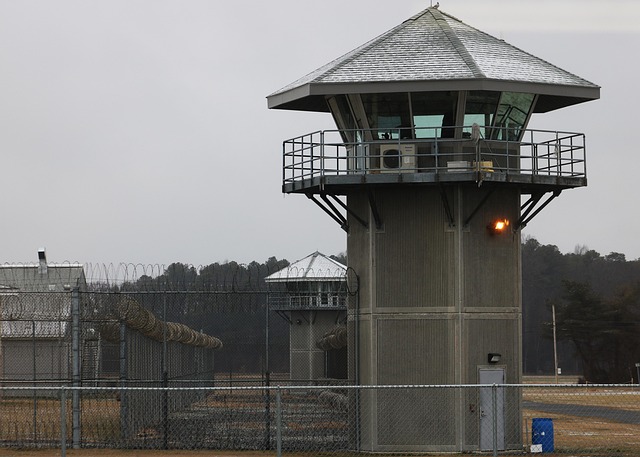
SAN DIEGO, CALIFORNIA (October 31, 2026) – A 62-year-old man identified as Paul Saldavar died in custody after a medical emergency at San Diego Central Jail in San Diego.
San Diego County officials are saying that the medical emergency occurred around 2:20 p.m. on Sunday, September 27. Paul Saldavar was inside the jail when several other incarcerated people alerted deputies that he was experiencing medical distress.
Deputies found Saldavar in the dayroom, where he appeared disoriented but responsive, and escorted him to the facility’s medical clinic for an evaluation. While he was in the clinic, his condition worsened, and medical staff and deputies began lifesaving measures.
San Diego Fire Department paramedics responded and took Saldavar to a local hospital, where lifesaving efforts continued. Sadly, Paul Saldavar was pronounced dead around 9:15 p.m.
Saldavar had been in Sheriff’s custody since November 3, 2025, while his case was pending. The Sheriff’s Office said a family liaison officer has been assigned to support his family, and the Citizens’ Law Enforcement Review Board was notified of his death.
Saldavar’s death adds to a long record of scrutiny over in-custody deaths in San Diego County. A 2022 California State Auditor report found that 185 people died in the county’s jails from 2006 through 2020 and concluded that the Sheriff’s Department had not done enough to prevent and respond to those deaths. A later study contracted by the county’s oversight board found that most of the county’s jail deaths occurred at San Diego Central Jail and the Vista Detention Facility. Questions remain about how quickly Saldavar’s distress was recognized, whether staff knew of any medical conditions when he was booked, and how much time passed before paramedics were called.
Liability for San Diego Central Jail In-Custody Deaths
People held in jail before trial have a constitutional right to adequate medical care under the due process clause of the Fourteenth Amendment. Federal courts in California apply an objective standard, asking whether jail staff failed to take reasonable steps to address a serious medical risk that a reasonable official would have recognized. California law adds another layer of protection. Under Government Code section 845.6, public employees and agencies can be held liable when they know or have reason to know that a person in custody needs immediate medical care and fail to take reasonable action to summon it. Counties can also face liability when their own policies, training, or customs contribute to the harm, and these claims often focus on several key areas:
- Intake screening: Jails must identify medical conditions, drug use, and other risks when a person is booked.
- Safety checks: Staff must conduct regular, meaningful checks that confirm each person is alive and well.
- Emergency response: Delays in starting lifesaving measures or calling paramedics can be the difference between life and death.
- Medical follow-up: Nurses and doctors must act on symptoms rather than dismiss them or explain them away.
- Policies and training: Counties are responsible for staffing levels and training that allow employees to respond properly.
Courts have made clear that jail medical staff cannot ignore obvious signs that a detainee is in danger. In Sandoval v. County of San Diego (9th Cir. 2021), the Ninth Circuit reviewed the death of a man who had secretly swallowed methamphetamine before his arrest and showed signs of being under the influence after he was booked. Medical staff left him unmonitored for about eight hours and then failed to promptly summon paramedics. The court applied the objective standard for pretrial detainees and revived claims against the nurses and the county, finding that a jury should decide whether their response was reasonable. The decision confirms that jail medical providers can be held responsible when they fail to respond to a known risk.
Medical Emergencies Behind Bars
Illness remains one of the leading causes of death for people held in local jails. The Bureau of Justice Statistics reported 1,200 deaths in local jails nationwide in 2019, including 553 deaths from illness, 294 of them from heart disease. The same report found that the rate of deaths from drug or alcohol intoxication more than quadrupled between 2000 and 2019. Many of these deaths involve conditions that can be treated when staff recognize warning signs early. Families should understand the protections that are supposed to be in place:
- Medical screening: Every person booked into jail should be screened for chronic conditions, medications, and withdrawal risks.
- Medication access: People in custody should continue receiving necessary medications prescribed before their arrest.
- Response times: Jail policies set expectations for how quickly staff must respond when incarcerated people report a medical problem.
- Records requests: Families may seek medical, booking, and video records after a death in custody.
- Independent oversight: Civilian review boards and medical examiners provide separate reviews of deaths in custody.
Every person in custody depends entirely on jail staff for medical care, because they cannot call a doctor or go to an emergency room on their own. When that system breaks down, the consequences are often fatal, and families are left with few answers. Public reporting of in-custody deaths, independent review, and clear medical protocols all help prevent future tragedies. Families who lose a loved one in custody have the right to a full and honest accounting of what happened. The law also allows them to hold agencies and medical providers accountable when care falls short.
Investigating In-Custody Deaths in San Diego
We at Feher Law extend our deepest condolences to the family and loved ones of Paul Saldavar. We hope a thorough review of his death leads to accountability and to changes that protect others held in San Diego County jails. His death raises safety concerns about how medical emergencies are handled inside the county’s jails. What did jail medical staff know about Paul Saldavar’s health in the days and hours before other inmates raised the alarm?
Have you or a loved one been affected by a death or medical emergency in a jail in San Diego or elsewhere in San Diego County? Families of people who die in custody can pursue accountability, and the law limits how much risk jail staff may ignore when someone in their care is sick. The Sheriff’s Office controls the jail video, medical records, and safety-check logs that show how events unfolded, and early official accounts may not tell the full story. Our team of safety advocates and accident investigators can help you understand what happened, from clinic records and safety-check logs to jail camera footage and the accounts of other incarcerated people. If you have questions about your rights or would like a free, independent investigation, we’re here for you anytime at (424) 433-4412.