Gwendolyn Kay Merrihue, 62, Struck by San Joaquin RTD Bus Before Dawn on Interstate 5 in Stockton
STOCKTON, CALIFORNIA (November 27, 2026) – A 62-year-old pedestrian identified as Gwendolyn Merrihue was killed in a bus accident on Interstate 5 in Stockton.
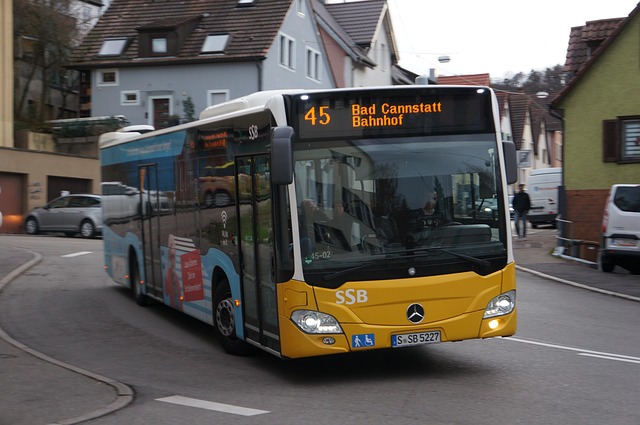
San Joaquin County officials are saying that the crash occurred around 4:15 a.m. on Tuesday. Gwendolyn Merrihue was crossing northbound Interstate 5 south of Pershing Avenue when a San Joaquin Regional Transit District bus traveling in the No. 4 lane struck her, according to KCRA.
The bus driver pulled onto the right shoulder and stayed at the scene as the California Highway Patrol and emergency crews were called. Merrihue died at the scene, and the San Joaquin County Medical Examiner later identified her.
Officials closed several lanes of the freeway while officers investigated, and Interstate 5 fully reopened shortly after 6:00 a.m., according to CBS Sacramento. SJRTD expressed condolences to her family and said it would cooperate fully with authorities.
Liability for Stockton Bus Accident
California’s general duty of care, found in Civil Code section 1714, requires every person to use ordinary care to avoid injuring others, and that duty applies to professional drivers on the freeway. When the driver works for a public transit agency, Government Code section 815.2 makes the agency responsible for injuries caused by employees acting within the scope of their jobs, and Vehicle Code section 17001 separately makes public entities liable for death or injury caused by an employee’s negligent operation of a motor vehicle. Transit agencies also set policies on driver training, schedules, and vehicle safety equipment that can affect how a crash unfolds. Claims involving a public agency come with special rules, including a requirement to present a written claim within six months for death or personal injury. Video and data held by an agency may also be overwritten on routine schedules unless someone asks for it to be preserved. Several issues commonly arise when a transit bus strikes a pedestrian:
- Driver Attention: Investigators look at whether the driver was scanning the roadway ahead or distracted by devices or dispatch.
- Speed Choices: Driving at a speed that allows time to react is especially important in darkness.
- Fatigue Management: Early-morning routes raise questions about scheduling, rest breaks, and how many hours a driver had worked before the shift.
- Onboard Cameras: Forward-facing bus cameras and telematics often capture the speed, braking, and view of the road in the moments before impact.
- Safety Equipment: Headlight condition, mirror placement, and collision-warning systems can all affect what a driver sees.
The California Supreme Court addressed the duties of commercial drivers on interstates in Cabral v. Ralphs Grocery Co. (2011). In that case, a truck driver stopped his tractor-trailer on the shoulder of Interstate 10 to eat a snack, and a man whose van left the roadway struck the parked rig and died. The company argued it owed no duty to other freeway users, but the court rejected that categorical exception. It held that the general duty of ordinary care applies to commercial drivers using the freeway, and that courts should not carve out exceptions without clear policy reasons. The court also made clear that whether a particular driver acted reasonably is generally a question for the jury to decide. That principle remains central to claims involving professional drivers whose conduct on a highway contributes to someone’s death.
Pedestrian Safety Along Freeways and in the Dark
Pedestrians are among the most vulnerable people on any road. The National Highway Traffic Safety Administration reports that 7,314 pedestrians were killed in traffic crashes in 2023, or about one every 72 minutes. Seventy-four percent of those deaths occurred away from intersections, where drivers may not expect anyone on foot, and 84 percent occurred in urban areas. Darkness, high speeds, and wide multi-lane roadways leave little time for anyone to react. Transportation agencies and transit operators can reduce those risks in several ways:
- Better Lighting: Well-lit freeway segments, ramps, and interchanges make people on foot visible from a much greater distance at night.
- Detection Technology: Pedestrian detection and automatic emergency braking can alert bus drivers to hazards ahead.
- Driver Training: Defensive-driving programs teach professional drivers to scan far ahead for unexpected hazards, especially during overnight and early-morning shifts.
- Physical Barriers: Fencing and safer crossings near freeways reduce the chance that someone ends up on the roadway.
- Community Outreach: Partnerships with local services can connect people living near freeways with safer options.
No family should lose someone before sunrise on an ordinary weekday. When a professional driver and a public agency are involved, the public has a strong interest in understanding how a crash happened. Transit agencies carry passengers and share the road with thousands of people every day, so their safety practices, from route planning to driver supervision, matter to everyone who lives and works nearby. Public attention after a fatal crash often prompts agencies to review the safety of their routes, and a family’s questions can become part of that process. California law allows the families of pedestrians who are killed to seek answers and hold responsible parties accountable. Those efforts can lead to safer routes, better equipment, and stronger training for the drivers who move a community.
Investigating Bus Accidents in Stockton
We at Feher Law offer our heartfelt condolences to the family and loved ones of Gwendolyn Merrihue. We hope the investigation brings the family complete answers and leads to safety changes that protect people near Stockton’s freeways. Her death raises safety concerns about how transit buses and pedestrians are protected on dark stretches of Interstate 5. What did the bus’s cameras and onboard systems record in the moments before the impact?
Have you or a loved one been affected by a bus or pedestrian accident in Stockton or elsewhere in San Joaquin County? Families who lose someone in a transit collision are entitled to a full and honest account of what happened. A public transit agency usually controls the bus camera footage, maintenance records, and driver logs that reveal how a crash unfolded, and it also sets the deadlines families must meet. Our team of safety advocates and accident investigators can help you understand what happened, from forward-facing video and telematics data to lighting conditions and accounts from other drivers. If you need answers to legal questions or support of any kind, we’re here for you anytime at (424) 433-4412.