Ana Maria Ziahdeh, 65, Struck and Killed While Walking in a Marked Crosswalk on Huntington Drive
EL SERENO, CALIFORNIA (November 23, 2026) – A 65-year-old woman identified as Ana Ziahdeh was killed in a pedestrian accident at Collis Avenue and Huntington Drive in El Sereno.
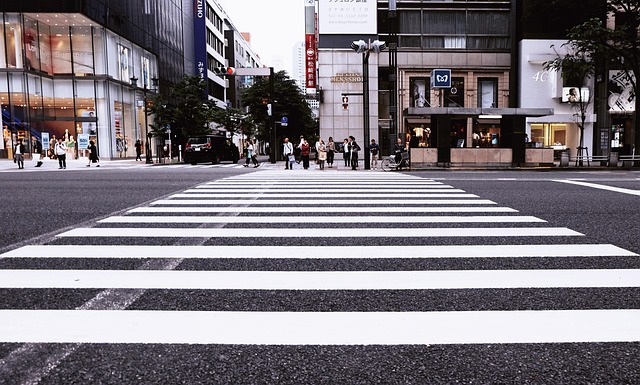
Los Angeles County officials are saying that the crash was reported around 10:35 p.m. on Tuesday. Ana Maria Ziahdeh was crossing the street in a marked crosswalk at the intersection when a gray Volkswagen struck her, according to MyNewsLA.
First responders were called to the scene, and Los Angeles Fire Department paramedics took Ziahdeh to a hospital. Ana Maria Ziahdeh died there from her injuries.
The driver stayed and cooperated with officers, and police determined that neither drugs nor alcohol were factors in the crash. The Los Angeles County Medical Examiner identified Ziahdeh on Friday.
Huntington Drive has been a known trouble spot for people on foot in El Sereno. A 2021 community safety report from UC Berkeley SafeTREC counted 80 pedestrian crashes in the neighborhood from 2015 to 2019, including five deaths, with most occurring on major corridors such as Huntington Drive.
Drivers failing to yield at crosswalks was the most common violation, cited in 31 of those crashes, and residents said speeding and a lack of pedestrian-scale lighting made walking at night feel unsafe. The report recommended high-visibility crosswalks and new pedestrian islands along Huntington Drive.
How many of those changes reached the crosswalk at Collis Avenue is a question the city should be ready to answer.
Liability for El Sereno Pedestrian Accidents
California law gives pedestrians in crosswalks strong protection. Vehicle Code section 21950 requires drivers to yield to anyone crossing within a marked or unmarked crosswalk at an intersection, and to slow down or take other action to protect them. The basic speed law adds that drivers must never go faster than conditions allow, including darkness. When a street’s design or lighting contributes to a crash, Government Code section 835 allows claims against a city that created or knew about a dangerous condition. Responsibility in these cases often comes down to a few recurring issues:
- Yielding: Drivers must give the right-of-way to pedestrians already in a crosswalk, including those crossing from the far side.
- Speed: Even modest speeding on a wide arterial road sharply reduces a driver’s ability to stop in time.
- Visibility: Drivers must watch for pedestrians at night and adjust their speed to what their headlights can show.
- Lighting: Poorly lit crosswalks can hide pedestrians from approaching drivers until it is too late.
- Crosswalk design: Faded markings, missing warning signs, and long crossing distances can make a crosswalk more dangerous than it appears.
A city can share responsibility when its streets put pedestrians at risk. In Bonanno v. Central Contra Costa Transit Authority (2003), the California Supreme Court considered a woman who was seriously injured while crossing a busy arterial street in a crosswalk to reach a bus stop. Traffic had stopped for her, but another driver rear-ended a stopped car and pushed it into her. The court held that public property can be considered dangerous when its location exposes the people using it to serious risks on an adjacent street, and it upheld the verdict in her favor. The decision shows that public agencies can be held to account for where and how they ask people to cross busy roads, not just for what happens on the pavement itself.
Making Nighttime Crossings Safer
Darkness is one of the biggest risk factors for people on foot. U.S. drivers struck and killed 7,148 pedestrians in 2024, and more than three-quarters of pedestrian deaths happen after dark, according to the Governors Highway Safety Association. Wide arterial roads, faster speeds, and poor lighting make the problem worse. Many of these deaths happen in crosswalks where pedestrians have every right to be, often on wide, multi-lane streets designed mainly to move cars quickly. Simple changes to streets and driving habits have been shown to save lives. Several steps can help reduce the danger:
- Street lighting: Pedestrian-scale lights at crosswalks make people visible to drivers from much farther away.
- High-visibility markings: Bold, ladder-style crosswalk striping draws drivers’ attention to a crossing point.
- Pedestrian islands: Median refuges let people cross one direction of traffic at a time on wide streets.
- Slower speeds: Lower speed limits and traffic calming give drivers more time to see and stop for pedestrians.
- Reporting hazards: Los Angeles residents can report broken streetlights and faded crosswalks through MyLA311.
Pedestrian safety depends on both careful drivers and well-designed streets. Cities that know a corridor is dangerous have a responsibility to fix it, and drivers have a duty to be ready to stop at every crosswalk. When either falls short, the consequences fall on the people walking, who have no airbags, seat belts, or steel frame to protect them. Families who lose a loved one in a crosswalk have the right to a complete account of what happened and to hold those responsible accountable. Their questions can also push a city to make the changes that protect the next person crossing.
Investigating Pedestrian Accidents in El Sereno
We at Feher Law extend our deepest sympathies to the loved ones of Ana Ziahdeh. We hope this crash prompts a hard look at nighttime crossings along Huntington Drive and leads to changes that keep pedestrians safe. Another life lost in a marked crosswalk on this corridor raises serious safety concerns for everyone who walks in El Sereno. Was the crosswalk at Collis Avenue lit and marked well enough for drivers to see someone crossing at night?
Have you or a loved one been affected by a pedestrian accident in El Sereno or elsewhere in Los Angeles? California law limits what drivers may do around crosswalks and lets families hold careless drivers and negligent cities accountable. Some of the most important records in these cases, such as lighting maintenance logs and crosswalk work orders, are held by the city itself. Our team of safety advocates and accident investigators can help you understand what happened, from nearby camera footage and streetlight records to witness accounts and the history of complaints about the intersection. If you have questions about your legal rights or want support of any kind, we’re here for you at (424) 433-4412.