Michael Hodnett Died at a Local Hospital After Being Held at the Theo Lacy Facility, and His Cause of Death Has Not Been Determined
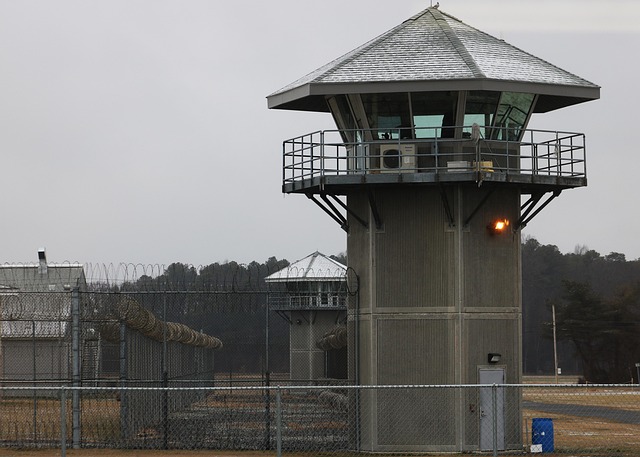
ORANGE, CALIFORNIA (November 28, 2026) – A man identified as Michael Hodnett died in custody after being housed at the Theo Lacy Facility in Orange.
Orange County officials are saying that the death occurred on Sunday, November 15. Michael Hodnett had been booked into county custody by the Santa Ana Police Department on October 29 and was being held at the Theo Lacy Facility, according to the Orange County Sheriff’s Department.
For reasons that have not been publicly explained, Hodnett was moved from the jail to a local area hospital, and medical personnel were called to care for him. Michael Hodnett died at the hospital on November 15.
The sheriff’s department said the manner and means of his death are awaiting final determination following an independent autopsy and toxicology. His age and the name of the hospital were not released, according to Patch.
Hodnett’s death is at least the fifth this year involving someone housed at Theo Lacy, according to the sheriff’s in-custody death reports. Earlier releases describe a 31-year-old man who was found unresponsive in February and a man who was taken by ambulance to a hospital in July, both with final causes awaiting autopsy and toxicology.
In those cases, the Orange County District Attorney’s Office investigated while the sheriff’s department conducted its own in-custody death review. The pattern raises questions about how quickly medical needs are being recognized at the facility and what happened in the hours before Hodnett was moved to the hospital.
Liability for Orange County In-Custody Deaths
People held in a county jail before trial are protected by the Fourteenth Amendment’s Due Process Clause, which requires jail officials to provide adequate medical care. Families can enforce that right through 42 U.S.C. § 1983, the federal civil rights statute that allows lawsuits against government actors who violate constitutional protections. California adds another layer through Government Code section 845.6, which allows liability when a public employee knows or has reason to know that a prisoner needs immediate medical care and fails to take reasonable action to summon it. When someone dies after falling ill in jail, investigators typically look at several possible sources of responsibility:
- Intake Screening: Medical staff are expected to identify withdrawal risk, chronic illness, and mental health needs at booking and house people accordingly.
- Safety Checks: Deputies must conduct regular, direct checks on people in their cells, and a check that cannot confirm a person is breathing may fall short of what the law requires.
- Medical Response: Staff who see vomiting, confusion, unresponsiveness, or other warning signs must act quickly to summon medical care.
- Withdrawal Protocols: Jails need written procedures for monitoring and treating withdrawal, and staff must follow them.
- County Policies: A county can be held responsible when its own policies, training, or staffing practices contribute to a constitutional violation.
Federal courts in California have set out how these claims are measured. In Gordon v. County of Orange, decided by the Ninth Circuit in 2018, the court considered the death of Matthew Gordon, a pretrial detainee who died within about 30 hours of being booked into the Orange County Central Men’s Jail after telling a nurse he used heroin daily. The court held that medical care claims by pretrial detainees are judged under an objective deliberate indifference standard, so a family does not have to prove what was in an official’s mind. Instead, the question is whether the official failed to take reasonable steps to address a serious risk that a reasonable official would have recognized, conduct the court described as something akin to reckless disregard. The ruling has since guided jail medical care cases across the Ninth Circuit.
Medical Care Behind Jail Walls
Deaths in local jails have climbed over the past two decades. The U.S. Bureau of Justice Statistics reported that 1,200 people died in local jails in 2019, a 33% increase from 2000, with a mortality rate of 167 deaths per 100,000 people held. The same data showed 184 deaths from drug or alcohol intoxication in 2019, the highest number recorded in the 20 years the agency collected jail mortality data. Many people enter jail with untreated illness, addiction, or mental health conditions, which makes the first days and weeks of custody especially dangerous. Families trying to understand a death in custody often focus on these key records and decisions:
- Booking Records: Intake forms show what staff learned about a person’s health at booking and what follow-up care was ordered.
- Housing Decisions: Whether a person was placed in a medical unit or general housing can affect how closely they were watched.
- Check Logs: Safety check logs and video show how often staff actually looked in on a person and what they observed.
- Transport Timing: The time between the first sign of distress and the call for an ambulance can be critical.
- Autopsy Findings: An independent autopsy and toxicology report may confirm or contradict early official statements.
An arrest or a jail stay never strips a person of the right to basic medical care. Every person in custody depends entirely on staff to notice when something is wrong and to act. When that system breaks down, those responsible should be expected to explain what happened. Families of those who die in custody have the right to seek records, demand transparency, and pursue accountability in civil court. Those rights come with deadlines, including short claim periods when a government agency is involved.
Investigating In-Custody Deaths in Orange
We at Feher Law extend our deepest condolences to the family and loved ones of Michael Hodnett. We hope the investigations into his death produce full and honest answers, and that the Orange County Sheriff’s Department takes whatever steps are needed to keep the people in its care safe. A string of deaths involving people held at the Theo Lacy Facility raises serious safety concerns. What did jail staff know about Hodnett’s condition before he was taken to the hospital, and how quickly did they act on it?
Has someone you love died or been seriously hurt while held in a jail in Orange or elsewhere in Orange County? Families are entitled to a complete account of how a loved one was treated while in government custody. The jail controls nearly every record that matters, from medical charts to video footage, and early official statements often reveal very little. Our team of safety advocates and accident investigators can help you understand what happened, including booking and medical screening records, safety check logs, and surveillance footage that may show how staff responded in the hours before a medical emergency. If you have questions about your rights or need support of any kind, we’re here for you anytime at (424) 433-4412.