Christopher Lamaku and Steven Madrid Died When Their Robinson R22 Went Down on a Hillside Minutes After Leaving French Valley Airport
TEMECULA, CALIFORNIA (November 25, 2026) – Two men identified as Christopher Lamaku and Steven Madrid were killed in a helicopter crash on a hillside in the wine country east of Temecula.
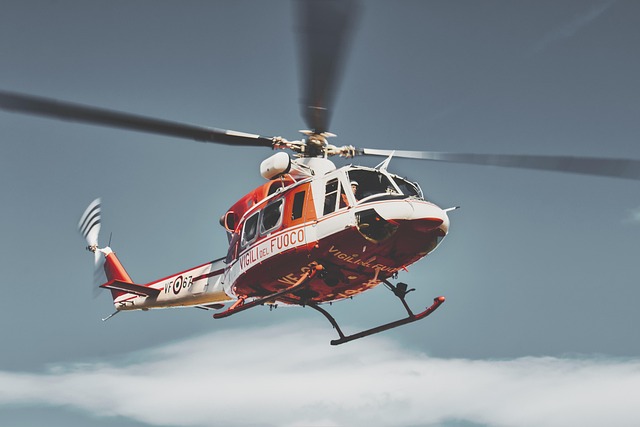
Riverside County officials are saying that the crash occurred around 9:29 a.m. on Monday. Christopher Lamaku and Steven Madrid had taken off from French Valley Airport at 9:17 a.m. aboard a two-seat Robinson R22 helicopter, according to CBS Los Angeles.
Roughly 12 minutes later, for undetermined reasons, the helicopter went down on a hillside near De Portola and Oak Mountain roads, close to the Oak Mountain and Altisima wineries. A 911 caller reported the crash, and first responders hurried to the scene.
The aircraft came to rest about halfway up the hill, roughly 200 feet above the base, in thick brush that made it hard to see from below. The site was less than half a mile from a water treatment plant operated by the Rancho California Water District, according to KESQ.
Firefighters reached the wreckage around 10:03 a.m., and both men were pronounced dead at the scene. Christopher Lamaku was 36 and lived in Escondido, and Steven Madrid was 26 and lived in Yuma, Arizona.
Authorities have not said what kind of flight the two men were making or where they were headed. The Federal Aviation Administration confirmed the crash.
The Robinson R22 is a small, lightweight helicopter that has been the subject of several federal safety orders. In 2024, the FAA issued an airworthiness directive for certain R22 tail rotor blades after reports of helicopters losing blade tip caps, warning that the problem could cause increased vibration, reduced controllability, and loss of control.
An earlier 2022 directive addressed reports of intermittent or abnormal operation of the governor on certain R22 Beta helicopters. Families will reasonably want to know whether this helicopter’s parts fell under these orders, and whether every required inspection and replacement was completed.
Liability for Temecula Helicopter Crashes
When a helicopter goes down, the answers often lie in the aircraft itself rather than in the cockpit. California’s product liability law holds manufacturers and sellers strictly responsible when a defective product causes injury or death, even when the people using it did nothing wrong. Federal rules under 14 CFR Part 43 set standards for how aircraft must be maintained, repaired, and inspected, and 14 CFR Part 39 makes airworthiness directives mandatory. Under Civil Code section 1714, repair shops and others who service aircraft are responsible for injuries caused by a lack of ordinary care. Families who lose someone in a crash may also bring a wrongful death claim under Code of Civil Procedure section 377.60. Investigators typically examine several sources of responsibility:
- Design defects: Rotor systems, controls, and engines that are unsafe by design can fail even when an aircraft is flown and maintained correctly.
- Manufacturing flaws: Bad welds, faulty bonding, or substandard materials can cause a single part to fail without warning.
- Maintenance errors: Mechanics and repair stations must perform inspections correctly and complete every required repair.
- Safety directives: Owners and service providers must comply with airworthiness directives and service bulletins on time.
- Parts suppliers: Companies that make or sell engines, blades, and components can share responsibility for a defective part.
A federal appeals court confirmed how far manufacturer responsibility reaches in Sikkelee v. Precision Airmotive Corp. (2018). David Sikkelee was killed when the small plane he was piloting crashed after takeoff, and his widow alleged that a defective carburetor in the engine caused the crash. The Third Circuit held that her state-law design defect claims were not preempted simply because the FAA had certified the engine design. The court recognized that federal certification sets minimum standards but does not shield manufacturers from all responsibility. The ruling has helped families nationwide pursue claims against aviation manufacturers whose products fail, even when those products carried federal approval.
Helicopter Safety and Accident Investigations
Helicopter flying has become safer in recent years, but fatal crashes still happen. According to the U.S. Helicopter Safety Team, the U.S. helicopter industry recorded 13 fatal accidents in 2024, a rate of 0.44 per 100,000 flight hours and the lowest in 25 years. Those numbers still represent lives lost and families left searching for answers. Investigations into helicopter crashes are often long and technical, involving wreckage analysis, metallurgical testing, and maintenance records. Families can benefit from understanding how these investigations work:
- Federal investigators: The National Transportation Safety Board typically releases a preliminary report within weeks and a final report much later.
- Wreckage access: Wreckage is often held for inspection, and independent experts may need permission to examine engines, blades, and controls.
- Component testing: Laboratory analysis of failed parts can reveal fatigue cracks, corrosion, or manufacturing defects invisible to the eye.
- Maintenance history: Logbooks, repair invoices, and directive compliance records show whether required work was actually done.
- Time limits: Claims against manufacturers may be limited by federal and state deadlines that can begin long before an investigation ends.
Every flight should end with everyone returning home. Manufacturers, maintenance providers, and parts suppliers all share responsibility for making sure an aircraft is safe before it leaves the ground. Families who lose a loved one in an aviation crash have the right to a complete and honest account of how it happened. They also have the right to pursue accountability from anyone whose defective product or careless maintenance played a role. Aviation has become safer over the decades largely because grieving families and investigators refused to accept that a crash was simply bad luck.
Investigating Helicopter Crashes in Temecula
We at Feher Law offer our deepest condolences to the families and friends of Christopher Lamaku and Steven Madrid. We hope investigators uncover the cause and that their findings lead to safer aircraft and safer flights over the Temecula Valley. A helicopter going down minutes after takeoff raises serious safety concerns about the condition of the aircraft. What went wrong with the helicopter in the minutes after it left French Valley Airport?
Have you or a loved one been affected by a helicopter or small aircraft crash in Temecula or elsewhere in Riverside County? Families who lose someone in an aviation crash can hold manufacturers, maintenance providers, and parts suppliers accountable for defects and failures they had no way to see. Federal investigations can take a year or more, and in the meantime the companies involved are often building their own version of events. Our team of safety advocates and accident investigators can help you understand what happened, from component testing and maintenance logs to airworthiness directive compliance records for the aircraft. If you would like a free, independent investigation or answers to legal questions, we’re here for you anytime at (424) 433-4412.