Banning Jiu-Jitsu Gym Rallies Around Coach Evan Ortiz After 60 Freeway Accident Takes His Wife, Ariana Ortiz
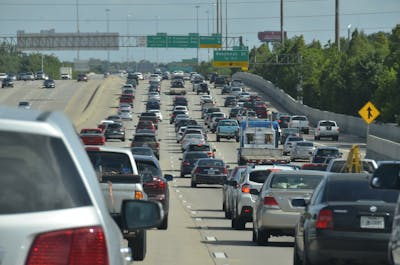
CHINO, CALIFORNIA (November 24, 2026) – A Muay Thai coach identified as Evan Ortiz was critically injured and his wife, Ariana Ortiz, was killed in a multi-vehicle accident on the westbound 60 Freeway in Chino.
San Bernardino County officials are saying that the crash occurred around 10:30 a.m. on Thursday. Evan Ortiz was driving a Subaru Crosstrek west on State Route 60 just west of Ramona Avenue, with Ariana in the passenger seat, as a powerful rainstorm soaked the freeway.
For reasons still under investigation, the Subaru became involved in a collision with a Chevrolet Silverado, a Kia Sportage, a work truck, and a yellow box truck, according to CHP officials, and first responders were called to the scene. Ariana Ortiz was critically injured and taken to a local hospital, where she did not survive.
Evan was also hospitalized in critical condition. The two people in the Kia were taken to a hospital for pain and later released, and the CHP said drugs and alcohol are not suspected to be factors.
Evan and Ariana were high school sweethearts who had been together for more than 10 years. Evan coaches at Peerless Jiu-Jitsu Banning, which describes him as much more than a coach and has organized a GoFundMe to support him and the family.
This stretch of freeway has seen deadly crashes before. In April 2025, a rollover just west of the Ramona Avenue onramp killed two people and left an infant with major injuries, according to the Los Angeles Times.
With two trucks among the vehicles, federal safety rules requiring commercial drivers to use extreme caution in rain may come into play. Investigators have not said how the collision began, and questions remain about how the trucks were operated and maintained and how well that stretch was draining during the storm.
Liability for Chino Freeway Accidents
California’s basic speed law bars anyone from driving faster than is reasonable or prudent given the weather, visibility, traffic, and road surface. A driver can be under the posted limit and still be going too fast for wet pavement. Commercial drivers face a stricter standard, because federal regulations require extreme caution and reduced speed whenever rain affects visibility or traction. In multi-vehicle collisions, responsibility is often divided among several drivers and can extend to employers, vehicle owners, or the agencies that maintain the roadway. Sorting out who bears responsibility usually comes down to a handful of recurring questions.
- Safe Speed: Investigators look at whether each driver adjusted to wet pavement, heavy traffic, and reduced visibility rather than relying on the posted limit.
- Following Distance: Drivers who leave too little space ahead may be unable to stop when traffic slows or a nearby vehicle loses traction.
- Vehicle Condition: Worn tires, failing wipers, and poorly maintained brakes can make hydroplaning and skidding more likely.
- Employer Duties: Companies whose drivers are on the job during a collision may share responsibility for their conduct and training.
- Road Conditions: Standing water, clogged drains, and worn pavement can raise questions about how a highway was maintained.
Courts have treated wet-weather driving as a matter of heightened care, especially for commercial vehicles. In Weaver v. Chavez, a 2005 decision from the California Court of Appeal, a motorist’s car was spun into a lane of the rain-soaked 210 Freeway by another driver, and a tractor-trailer traveling about 56 miles per hour struck her car. The trial court instructed the jury only on the basic speed law, and the jury sided with the trucking defendants. The appeals court reversed, holding that the federal extreme-caution rule sets a higher standard than ordinary reasonable care and that jurors should have been told so. The standard applied to each driver can shape how responsibility is ultimately assigned.
Staying Safe on Wet Freeways
Rain is the most common weather factor in traffic collisions across the country. According to the Federal Highway Administration, rain was involved in an average of about 574,000 crashes a year from 2019 through 2023, injuring roughly 219,000 people and killing about 2,810 annually. Those deaths account for nearly three-quarters of all weather-related traffic fatalities. In Southern California, long dry stretches let oil build up, so even a moderate storm can turn freeways slick. A few habits make a real difference on wet pavement.
- Slow Down: The California Driver’s Handbook advises reducing speed by 5 to 10 mph on wet roads, even when the posted limit is higher.
- Extra Space: Wet pavement lengthens stopping distances, so a larger gap gives drivers time to react when traffic suddenly brakes.
- Cruise Control: The Office of Traffic Safety warns that cruise control can cause skidding and loss of traction on wet roads.
- First Rain: The opening hours of a storm after a dry period are often the most dangerous, as oil lifted from the asphalt makes the surface slick.
- Tire Check: Adequate tread depth and proper inflation help tires channel water away and lower the risk of hydroplaning.
Safe travel in a storm depends on drivers, trucking companies, and the agencies that keep freeways drained and maintained. When any of them falls short, the people who suffer most are often those who did nothing wrong. Traffic camera footage, maintenance records, and witness statements can help reconstruct how a collision unfolded in difficult conditions. Victims and their families have the right to seek a full accounting of what happened and to hold responsible parties accountable. Deadlines for claims, especially against public agencies, can be short.
Investigating Freeway Accidents in Chino
We at Feher Law extend our deepest condolences to the family and friends of Ariana Ortiz and our hopes for a full recovery to Evan Ortiz. We hope a thorough review brings accountability and leads to changes that keep drivers safer on this stretch of the 60 Freeway when storms roll through. A collision this serious on a heavily traveled Inland Empire freeway raises safety concerns for every commuter. What set off a five-vehicle collision on a stretch of freeway where drivers have died before?
Have you or a loved one been affected by a freeway accident in Chino or elsewhere in the Inland Empire? Families who lose someone in a multi-vehicle collision are entitled to a full and honest account of how it happened. When several vehicles are involved, each driver and insurer may offer a different version of events, and early reports rarely settle the question. Our team of safety advocates and accident investigators can help you understand what happened, from Caltrans traffic camera footage and commercial truck maintenance logs to the witness accounts that can show what set a collision in motion. If you have questions about your rights or would like a free, independent investigation, we’re here for you anytime at (424) 433-4412.