More Than 300 Neighbors Sue Lineage Over Boyle Heights Warehouse Fire, Alleging Exposure to Smoke, Ash, Ammonia, and Swarms of Pests
BOYLE HEIGHTS, CALIFORNIA (November 20, 2026) – More than 300 residents of Boyle Heights, East Los Angeles, Commerce, and Montebello have sued Lineage Logistics, alleging they were harmed by a massive fire at the company’s cold storage warehouse in Boyle Heights.
Los Angeles County officials are saying that the fire broke out around 2:30 p.m. on Wednesday, June 17, at the facility in the 1400 block of South Los Palos Street, according to ABC7. Flames spread across the solar panels covering the roof of the roughly 500,000-square-foot warehouse, sending a column of thick black smoke into the air that was visible for miles.
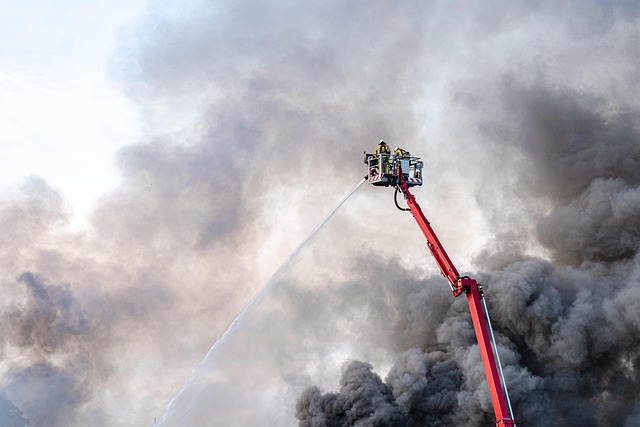
The fire reached an ammonia line, prompting firefighters to pull back and order nearby residents to shelter in place, LAist reported. Crews used rare water drops from helicopters, but the fire kept burning for more than a week before a knockdown was declared on June 24.
The fire left an estimated 85 million pounds of food rotting inside the building, according to FOX 11. Neighbors soon reported a stench that lingered for weeks, along with swarms of flies and rodents moving into the surrounding blocks.
Emergency room visits near the warehouse tripled while the fire burned, according to Los Angeles County public health data. A St. John’s Community Health report found that 469 of the 1,306 patients its mobile clinics treated from June 17 through July 31 had fire-related exposure issues, including respiratory infections, eye disorders, persistent coughs, and asthma flare-ups, NBC Los Angeles reported.
The South Coast Air Quality Management District received nearly 4,000 odor complaints linked to decaying material, and its hearing board ordered Lineage to speed up removal of the rotting food, FOX 11 reported. County health inspectors also documented live and dead flies throughout the facility, with fly larvae spreading onto nearby sidewalks and streets.
The 155-page complaint, filed in Los Angeles County Superior Court, alleges that the fire ruptured a line inside the facility and left residents directly exposed to hazardous smoke, ash, and ammonia. It also claims that a smaller fire on the same rooftop two years earlier put Lineage on notice of a recurring and foreseeable fire risk.
Lineage has blamed a contractor testing the rooftop solar panels for starting the fire, while solar operator Altus Power has said no official cause was determined. Lineage has also said its ammonia refrigeration system was pumped out before the fire reached it, according to LAist.
Questions about prevention center on the August 2024 fire that broke out around the same rooftop solar panels, an incident that took 80 firefighters about 45 minutes to put out, according to FOX. In September, the Los Angeles Fire Department classified the June fire’s cause as undetermined, finding that an electrical event occurred on the roof at or near a section of the building’s 12,400 solar panels, CBS Los Angeles reported.
Lineage has since sued Altus Power and contractor Pearce Services, alleging the companies ignored safety warnings, while an Altus subsidiary argues Lineage controlled the facility, NBC Los Angeles reported. On October 6, criminal investigators with the California Department of Toxic Substances Control served a search warrant at the warehouse with help from the Los Angeles County District Attorney’s Office, according to LAist.
Community groups have also sued the EPA and the City of Los Angeles for air monitoring data and records on the fire response, and residents are still waiting for a full picture of what they breathed, CBS News reported.
Liability for Boyle Heights Warehouse Fire Exposure
California law expects companies that operate large industrial facilities to use reasonable care to prevent fires and protect the people living around them. That duty can extend to the property owner, the tenant who runs the facility, and the contractors who install or maintain equipment on site. Under Civil Code section 3479, anything injurious to health or offensive to the senses that interferes with the comfortable enjoyment of life or property can be a nuisance. Claims after an industrial fire can also include negligence, trespass, and premises liability, depending on how the harm reached the community. When a fire releases smoke, chemicals, and decaying waste into surrounding neighborhoods, responsibility often turns on several recurring issues:
- Fire prevention: Facility operators and equipment owners must inspect, maintain, and test electrical systems so that known fire hazards do not grow into larger disasters.
- Prior warnings: An earlier fire, inspection finding, or safety complaint can show that a company knew about a risk before a more serious event.
- Hazardous materials: Facilities that use chemicals such as ammonia for refrigeration must handle, store, and isolate them to keep releases from reaching nearby homes.
- Contractors: Companies that hire outside crews remain responsible for how work on their property is supervised, and contractors are responsible for working safely.
- Cleanup: After a fire, operators must remove waste and control odors and pests quickly so a new hazard does not replace the first one.
The California Supreme Court has addressed who can bring claims after a large industrial release in a residential area. In the Southern California Gas Leak Cases (2019), businesses near Porter Ranch sued after a four-month gas leak at the Aliso Canyon storage facility led to the relocation of about 15,000 residents. The businesses sought only lost income and did not claim any personal injury or property damage, and the court held that the gas company owed no duty to protect against those purely economic losses. The court made clear, however, that the company did owe a duty to guard against personal injury and property damage, noting that the courthouse doors remain open to people who suffer even slight physical harm. That distinction makes medical records and documentation of damage to homes especially important for anyone harmed by a large industrial fire or chemical release.
Nuisance Claims for Smoke, Odors, and Pests
A nuisance claim focuses on how an outside condition interferes with a person’s health, comfort, and use of their home. California law recognizes both public nuisances, which affect an entire community, and private nuisances, which interfere with a specific person’s use of their property. A private person can bring a public nuisance claim when the harm is especially injurious to them, a rule reflected in California’s jury instructions on public nuisance. Courts have recognized that smoke, fumes, and odors that cross property lines can support these claims even when nothing visibly damages a home. Common types of nuisance harm after an industrial fire include the following:
- Odors: Persistent foul smells can make it difficult to sleep, eat, open windows, or spend time outdoors.
- Pests: Flies, rodents, and other vermin drawn to rotting material can invade homes, yards, and businesses.
- Smoke and ash: Soot and ash can settle on cars, furniture, air vents, and outdoor surfaces, requiring cleaning or replacement.
- Lost use: Families may need to stay indoors, leave home temporarily, or run air purifiers and air conditioning around the clock.
- Property value: Ongoing contamination or stigma can affect what a home is worth or how easily it can be rented or sold.
The California Supreme Court addressed odor complaints in Varjabedian v. City of Madera (1977), a case brought by a family whose vineyard home sat about 600 feet from a newly built wastewater treatment plant. Prevailing winds carried the plant’s odors onto their property, and a jury found in their favor on a nuisance claim, awarding money for their discomfort and the loss in their property’s value. The city argued that state law authorized the plant and shielded it from liability, but the court rejected that defense because no statute expressly authorized the odors. The court also held that a property owner does not always need to show physical damage to pursue an inverse condemnation claim when recurring gases place a direct and substantial burden on their land. The decision remains an important example of how California courts treat invasive odors as real harm to the people who live with them.
Health Effects of Smoke and Ammonia Exposure
Industrial fires can expose nearby residents to a mix of smoke, fine particles, and chemical vapors. Ammonia is among the chemicals most often involved in harmful releases, and a CDC analysis of acute chemical incidents in nine states from 1999 to 2008 found that ammonia caused 1,153 injuries, second only to carbon monoxide. Breathing high concentrations of ammonia can irritate the nose, throat, and lungs and cause coughing, and people with asthma may be more sensitive, according to the Agency for Toxic Substances and Disease Registry. Smoke carries its own risks, since fine particle pollution is the biggest health threat in smoke and even one day of exposure can affect health, according to the EPA. Anyone exposed should watch for the warning signs below:
- Breathing: Coughing, wheezing, chest tightness, and difficulty breathing are common reactions to smoke and chemical vapors.
- Eyes and head: Eye irritation and headaches often appear during or shortly after heavy smoke exposure.
- Chronic conditions: Smoke can worsen asthma and other lung diseases and has been linked to heart attacks and strokes in vulnerable people.
- Higher risk: Children, older adults, pregnant women, people with heart or lung disease, and outdoor workers face greater risk from smoke.
- Delayed effects: A single smoke event can lead to later problems, including reduced lung function and more respiratory infections.
Symptoms from smoke and chemical exposure can be easy to dismiss at first, especially when an entire neighborhood is dealing with the same conditions. Seeing a doctor creates a record that connects symptoms to the time and place of exposure, which matters for both treatment and accountability. Keeping notes about when symptoms began, how long they lasted, and what made them worse can help doctors and investigators understand the full impact. Companies whose operations release smoke and chemicals into residential neighborhoods have a responsibility to the people living nearby. People who were harmed have the right to seek answers and hold those companies accountable for medical care, cleanup costs, and the disruption to their lives.
Protecting Your Health and Home After a Nearby Industrial Fire
The days and weeks after an industrial fire can bring lingering smoke, odors, and debris that continue to affect a neighborhood. The EPA recommends checking the local Air Quality Index and following updates from air quality and fire officials whenever smoke is present. Simple steps at home can reduce exposure, especially for children, older adults, and people with existing health conditions. Documenting conditions along the way also helps preserve a clear record of how the event affected each household. The following steps can help families protect their health and their rights:
- Indoor air: Stay indoors when smoke is present, and use an HVAC filter rated MERV 13 or higher or a portable air cleaner to filter indoor air.
- Cleaner room: Set up one room in the home with cleaner air, especially for vulnerable family members.
- Respirators: Wear a NIOSH-approved respirator, such as an N95, if you must go outside when smoke is heavy.
- Medical visits: See a health care provider about new or worsening symptoms, and keep copies of every visit, diagnosis, and prescription.
- Records: Save receipts for air purifiers, filters, cleaning, pest control, and higher utility bills, and take dated photos or videos of ash, pests, and conditions at home.
Many of these costs add up quietly, from replacement filters to extra cleaning and time away from work. Keeping organized records helps show the real impact on a household rather than relying on memory months later. Complaints filed with air quality regulators and health agencies can also create an official record of what neighbors experienced. Residents should not have to bear the burden of cleaning up after a disaster they did not cause. Families affected by industrial fires have the right to seek accountability from the companies responsible for the conditions they were forced to endure.
Time Limits for Fire and Toxic Exposure Claims
California sets deadlines for injury claims, and those deadlines can vary depending on the type of harm involved. For illnesses caused by exposure to a hazardous material or toxic substance, Code of Civil Procedure section 340.8 generally allows two years from the date of injury, or two years from when a person became aware of the injury, its physical cause, and facts suggesting someone else’s wrongful conduct contributed to it, whichever is later. A similar two-year rule applies to wrongful death claims based on toxic exposure. The statute also provides that media reports about contamination do not, on their own, start the clock. Several practical points follow from these rules:
- Symptom timing: Some exposure-related conditions appear or worsen weeks or months later, which can affect when a claim begins.
- Medical diagnosis: The date a doctor links symptoms to smoke or chemical exposure is often central to the deadline.
- Property claims: Claims for damage to homes, belongings, and the use of property may follow different deadlines than injury claims.
- Timeline: A written log of when symptoms, odors, and pest problems began helps establish the dates that matter for any claim.
- Early records: Collecting medical records, photos, and receipts early makes it easier to act before any deadline passes.
Deadlines in exposure cases can be difficult to pin down, because symptoms do not always appear right away. Official investigations into an industrial fire can take months, and some may never reach a firm conclusion about the cause. Waiting for those findings is not always the safest approach for people who want to protect their rights. Families should not assume they have run out of time simply because the fire happened months ago. Understanding when the clock started is an important first step for anyone harmed by smoke, chemicals, or the conditions that followed.
Investigating Warehouse Fires in Boyle Heights
We at Feher Law send our best wishes for a full recovery to the Boyle Heights, East Los Angeles, Commerce, and Montebello residents affected by the Lineage warehouse fire. We hope that every company involved is held accountable and that stronger safety measures keep another rooftop fire from ever sending smoke and ammonia into a densely populated neighborhood. This fire raises serious concerns about how industrial facilities next to homes and schools manage fire and chemical hazards. What safety changes were made after the 2024 rooftop fire to prevent another fire from breaking out on the same roof?
Have you or a loved one been affected by smoke, ammonia, odors, or pests from a warehouse fire in Boyle Heights or elsewhere in East Los Angeles? People harmed by an industrial fire may be entitled to compensation for medical care, cleanup costs, lost wages, and the disruption to daily life at home. Several companies may share responsibility, from the facility operator to the owners and contractors behind rooftop equipment, and each may offer a different version of events. Our team of safety advocates and accident investigators can help you understand what happened, from air monitoring data and inspection records to equipment maintenance logs and clinic records documenting neighborhood health effects. We offer a free, independent investigation and answers to any questions about your rights, anytime at (424) 433-4412.
Frequently Asked Questions About the Lineage Fire
What caused the Lineage warehouse fire in Boyle Heights?
The Los Angeles Fire Department classified the cause as undetermined after its investigation. Investigators found that the fire started on the roof, where an electrical event occurred at or near a section of solar panels, but they could not establish what caused that event or conclusively rule the panels in or out, CBS Los Angeles reported. Lineage and the solar array’s operator have filed competing claims over who is responsible.
Was ammonia released during the fire?
That question remains disputed. Firefighters pulled back after the fire reached an ammonia line, and community testing, Lineage’s own data, and the South Coast Air Quality Management District later found elevated ammonia near the warehouse, though not at levels that triggered public health action, according to LAist. Lineage has denied that ammonia was released and says its refrigeration system was emptied before the fire reached it.
What health problems have residents reported?
Residents and clinics have reported coughing, breathing difficulty, eye irritation, headaches, nausea, skin rashes, and worsened asthma. A St. John’s Community Health report found that about 36% of patients seen at its mobile clinics after the fire had fire-related exposure issues, NBC Los Angeles reported. Anyone with new or worsening symptoms should see a doctor and mention the fire.
Who can file a claim after the Lineage fire?
People who were physically harmed by smoke or chemical exposure, or whose homes and property were affected by ash, odors, or pests, may have claims. The existing lawsuits include residents of Boyle Heights, East Los Angeles, Commerce, and Montebello, and one proposed class action seeks to cover people who lived, were present, or owned property within the areas covered by the shelter-in-place and air quality orders, according to ABC7. Each household’s situation is different, so it helps to understand which claims fit your circumstances.
Can I recover costs for air purifiers, cleaning, and pest control?
Out-of-pocket costs caused by a fire and its aftermath can be part of a claim, including air purifiers, filters, professional cleaning, pest control, and higher utility bills. The proposed class action filed by a Boyle Heights resident, for example, cites the cost of multiple air purifiers and higher utility bills from running air conditioning and filtration. Keeping receipts and dated photos makes these costs easier to document.
Is there a criminal investigation into the fire?
Yes. Criminal investigators with the California Department of Toxic Substances Control served a search warrant at the warehouse on October 6, 2026, with help from the Los Angeles County District Attorney’s Office, according to LAist. A criminal investigation is separate from civil claims, and residents do not need to wait for it to finish to understand their rights.
How long do I have to file a claim?
Deadlines depend on the type of harm. For illnesses tied to hazardous or toxic exposure, Code of Civil Procedure section 340.8 generally allows two years from the injury or from when a person learned, or reasonably should have learned, of the injury and its cause, whichever is later. Property-related claims may follow different deadlines, so it is best not to wait.
Will the Lineage warehouse be rebuilt?
That remains uncertain. Lineage completed cleanup in early September, removing about 89 million pounds of spoiled food and demolishing the damaged structure, and it has sought permits to rebuild, CBS Los Angeles reported. The Los Angeles City Council voted to bar reconstruction permits until the fire department finished its investigation, and residents have rallied for the warehouse to be closed permanently.