Drilling Crew at Chiquita Canyon Landfill Struck a Pressurized Methane Pocket 150 Feet Down, Sending a Plume of Gas and Trash Into the Sky
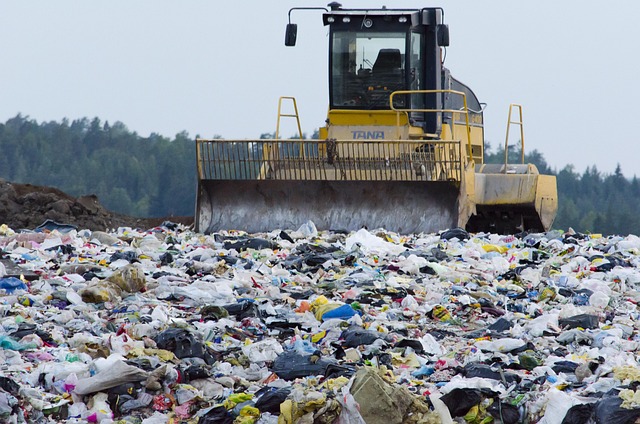
CASTAIC, CALIFORNIA (November 17, 2026) – Six workers were injured in a methane eruption at the Chiquita Canyon Landfill in Castaic.
Los Angeles County officials are saying that the eruption was reported around 4:04 p.m. on Monday. Workers were drilling a hole about 150 feet deep and three feet wide to install a new gas well meant to address an ongoing underground heat reaction at the landfill, according to FOX 11.
The auger struck a pressurized pocket of methane, and gas and debris erupted from the opening in a plume that Newsweek reported reached roughly 500 feet. Firefighters responded to the 29200 block of Henry Mayo Drive, where the call was first reported as a commercial structure fire.
All six workers were decontaminated by hazardous materials crews and treated at the scene, and four were taken to hospitals as a precaution, according to KTLA. Their names, their employer, and the drilling contractor have not been released.
Fire crews capped the leak just after 10:00 p.m., and an evacuation advisory for nearby neighborhoods was briefly issued and lifted. On Tuesday, county health officials ordered the landfill’s operators to provide hotel stays and other assistance to nearby residents, and the Board of Supervisors unanimously approved an emergency motion demanding a full report.
The landfill has been troubled for years. A smoldering underground reaction has released odors and gases into nearby neighborhoods, and the site stopped accepting waste on January 1, 2025, after failing to obtain a required water board permit. Los Angeles County sued the owners and operators in 2024, and regulators have cited the landfill for more than 360 violations since 2023. Questions may arise about whether the drilling plan accounted for pressurized gas in a landfill already known for extreme underground heat.
Liability for Castaic Landfill Worker Injuries
When workers are hurt on the job in California, workers’ compensation is usually the exclusive remedy against their own employer. That rule does not protect everyone else on a worksite, and property owners, site operators, equipment makers, and other contractors can face negligence claims when their conduct contributes to an injury. Under California’s Privette doctrine, a company that hires an independent contractor is generally presumed to delegate workplace safety to that contractor. The presumption has exceptions, including when the hiring company retains control over the work and exercises it in a way that contributes to the injury, or when it fails to warn of a hazard it knew about and the contractor could not reasonably discover. Responsibility for an industrial accident often depends on several factors:
- Site Control: The party that directs how and where work is done may share responsibility for unsafe conditions.
- Hidden Hazards: Owners who know of dangers beneath the surface may need to disclose them to contractors before work begins.
- Safety Plans: Written procedures for gas monitoring, emergency shutdown, and evacuation are expected for hazardous drilling.
- Equipment: Faulty or poorly suited drilling equipment and gas controls can create claims against manufacturers or suppliers.
- Regulatory Compliance: Cal/OSHA rules on hazardous atmospheres and air permits from local regulators set baseline duties.
The California Supreme Court defined the main exception to the Privette rule in Hooker v. Department of Transportation in 2002. A crane operator employed by a general contractor building an overpass for Caltrans was killed when his crane tipped over, and his widow sued Caltrans for negligently exercising control it had kept over site safety. The court held that a hiring party is liable to a contractor’s employee only when its exercise of retained control affirmatively contributed to the injury. Because the evidence did not show that Caltrans’s conduct contributed to the crane accident, the court affirmed judgment for the agency. The decision explains why injured workers must show what each party actually did, not merely what it had the power to control.
Landfill Gas Hazards and Worker Protection
Landfills generate large amounts of gas as buried waste breaks down. Landfill gas is roughly half methane and half carbon dioxide, and municipal solid waste landfills were the third-largest source of human-related methane emissions in the United States in 2022, accounting for about 14.4 percent, according to the EPA. Methane is flammable at certain concentrations, and landfill gas can also carry hydrogen sulfide and other compounds that irritate the eyes and lungs. Workers who drill wells, repair collection systems, or dig trenches face these hazards every day. Safety practices that reduce the danger include:
- Gas Monitoring: Continuous readings for methane, oxygen, and hydrogen sulfide should guide whether work continues or stops.
- Pressure Planning: Drilling plans should anticipate pockets of trapped gas and include ways to control a sudden release.
- Protective Gear: Respirators, flame-resistant clothing, and decontamination supplies need to be on site before drilling starts.
- Emergency Response: Clear evacuation routes and fast communication with fire and hazmat crews limit exposure when something goes wrong.
- Medical Follow-Up: Workers exposed to landfill gases should keep records of symptoms and treatment, since some effects appear later.
Landfill operators and contractors share responsibility for protecting the people who work on these sites and the neighbors who live nearby. When safety systems fail, investigations by regulators and fire officials can reveal whether warning signs were missed. Injured workers have rights beyond workers’ compensation when someone other than their employer contributed to the harm. Those rights can include compensation for medical care, lost wages, and long-term health effects. Acting early helps preserve monitoring data, maintenance logs, and other records that explain what went wrong.
Investigating Landfill Accidents in Castaic
We at Feher Law wish a full recovery to the six workers hurt at the Chiquita Canyon Landfill. We hope a thorough investigation leads to stronger safeguards for the crews and neighbors who live with this site’s problems. An eruption of this size during routine drilling raises serious safety concerns for everyone working there. What did the landfill’s monitoring data show about pressure and temperature in the area before the drilling began?
Have you or a loved one been hurt in a landfill, drilling, or industrial accident in Castaic or elsewhere in the Santa Clarita Valley? Workers injured on a job site may be able to recover for medical bills, lost wages, and ongoing health effects from parties other than their employer. Landfill operators and contractors control the gas monitoring data, drilling logs, and safety plans that show how decisions were made, and those records are not always shared willingly. Our team of safety advocates and accident investigators can help you understand what happened, from air monitoring readings and equipment records to regulatory inspection reports and witness accounts. If you have legal questions or need any other support, we’re here for you anytime at (424) 433-4412.