Contractors Hurt Servicing Equipment at Tiffany Court of Walnut Creek as About 60 Seniors Evacuate
WALNUT CREEK, CALIFORNIA (November 10, 2026) – Two workers were injured in a water heater accident at the Tiffany Court of Walnut Creek assisted living facility in Walnut Creek.
Contra Costa County officials are saying that the incident occurred around 1:54 p.m. on Monday. Two contractors were working on a water heater at the facility at 1866 San Miguel Drive, a few blocks east of the Broadway Plaza shopping center, when something went wrong.
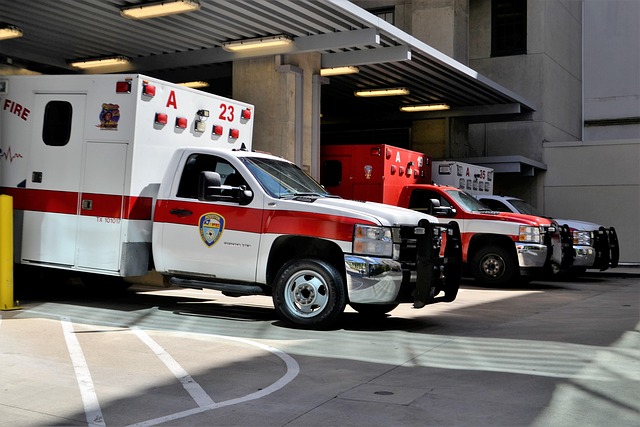
The incident was initially reported as an explosion, and the building was evacuated because of a possible gas leak, according to NBC Bay Area. About 60 residents, many of them in wheelchairs, were moved outside as firefighters arrived, and the facility’s sprinklers activated.
Both workers were taken to a hospital, and ABC7 reported that they suffered burns while working on what it described as a boiler. Fire officials later said there had been neither an explosion nor a fire, and the full extent of the workers’ injuries has not been released.
ABC7 also reported that one resident who experienced breathing problems was taken to a hospital, while the facility said no residents were hurt. Residents were allowed back inside once the situation was under control.
California requires every residential care facility for the elderly to keep an emergency and disaster plan and to train staff on it at hire and every year after. Monday’s evacuation may offer a real-world test of that planning.
Questions also remain about the equipment and who was responsible for the repair. Many boilers in California cannot legally operate without a permit from Cal/OSHA’s Pressure Vessel Unit, which keeps a public database of permit and inspection activity, so state records may show whether the unit involved required one and when it was last inspected.
Liability for Walnut Creek Water Heater Accident
Injured California workers are generally limited to workers’ compensation in claims against their own employer. However, Labor Code section 3852 preserves an injured worker’s right to pursue damages against any person other than the employer whose negligence caused the harm. Property owners who hire outside contractors are presumed to hand off responsibility for workplace safety to those contractors, a rule known as the Privette doctrine. That presumption has limits, and courts recognize liability when a hirer retains control over the work and exercises it in a way that affirmatively contributes to an injury, or when it fails to disclose a hazard the contractor could not reasonably discover. Responsibility in equipment-related injuries often turns on several questions:
- Retained Control: A property owner or manager that directs how, when, or under what conditions repair work is performed may share responsibility for resulting injuries.
- Concealed Hazards: Owners must warn contractors about known dangers that a reasonable contractor would not discover on its own.
- Defective Equipment: Manufacturers and distributors can be held responsible when a water heater, valve, or safety control fails because of a design or manufacturing defect.
- Gas Systems: Installers, prior service companies, and utilities may bear responsibility if improper connections, venting, or pressure settings created the danger.
- Inspections: Missing permits, overdue inspections, or ignored maintenance recommendations can be powerful evidence of negligence.
The California Supreme Court explained the boundaries of this doctrine in Sandoval v. Qualcomm Incorporated (2021). An electrical parts specialist working for a contractor at Qualcomm’s San Diego campus suffered third-degree burns over more than a third of his body after triggering an arc flash from a circuit he did not realize was live. A jury ruled in the worker’s favor, but the Supreme Court reversed, holding that a hirer is liable only when it retains control over the contractor’s work and actually exercises that control in a way that affirmatively contributes to the injury. Because Qualcomm had handed the work over to its contractor and had not affirmatively contributed to the harm, the court found it owed no duty. The ruling shows why who directed the work, and what was disclosed beforehand, often decides these claims.
Understanding Serious Burn Injuries
Burns are among the most painful and complicated injuries a worker can suffer, and they often require months of specialized treatment. The Centers for Disease Control and Prevention reported 398,000 fire- or burn-related injuries in 2021, along with 252,000 injuries caused by hot objects or substances, according to the American Burn Association. The same fact sheet counts roughly 29,165 hospital admissions for burns each year nationwide. Because burns can deepen over several days, early specialist care matters. Anyone recovering from a burn injury should understand these key concerns:
- Burn Depth: Second- and third-degree burns damage deeper layers of skin and may require skin grafts or repeated surgeries.
- Inhalation Injury: Hot gases, smoke, or chemical fumes can damage the airway and lungs even when skin burns appear minor.
- Infection Risk: Damaged skin loses its protective barrier, making careful wound care and close monitoring essential.
- Scarring: Thick scars and contractures can limit movement, particularly over joints and hands, and may require therapy for years.
- Emotional Recovery: Burn survivors often face anxiety, sleep problems, and distress connected to visible scarring.
Workplace burns frequently happen during maintenance and repair, when equipment is opened up and safety controls may be bypassed. Property owners, equipment manufacturers, and contractors all share responsibility for making sure gas supplies are shut off, pressure is relieved, and hazards are disclosed before work begins. When those safeguards fail, injured workers may be able to bring claims beyond workers’ compensation against the outside parties responsible. Those claims can cover medical costs, lost income, and the long-term effects of scarring and disability.
Investigating Water Heater Accidents in Walnut Creek
We at Feher Law wish a full and speedy recovery to the two workers injured at Tiffany Court of Walnut Creek. We hope this incident prompts a careful review of how repairs are planned and supervised at facilities where vulnerable seniors live. An emergency that sent dozens of elderly residents, many in wheelchairs, out of their home raises serious safety concerns. What conditions were present in that equipment before the repair work began?
Have you or a loved one been hurt in a water heater, boiler, or gas-related accident in Walnut Creek or elsewhere in Contra Costa County? Workers injured on the job may be entitled to compensation from parties other than their employer for medical care, lost wages, and long-term recovery. The facility and its service vendors typically control the work orders, maintenance logs, and equipment records that show how a repair was set up. Our team of safety advocates and accident investigators can help you understand what happened by reviewing permit and inspection histories, service contracts, and witness accounts. If you have questions about your rights or need help understanding your options, we’re here for you at (424) 433-4412.