Staff Used Chemical Agents to Stop an Attack on David Long, but He Died Within the Hour
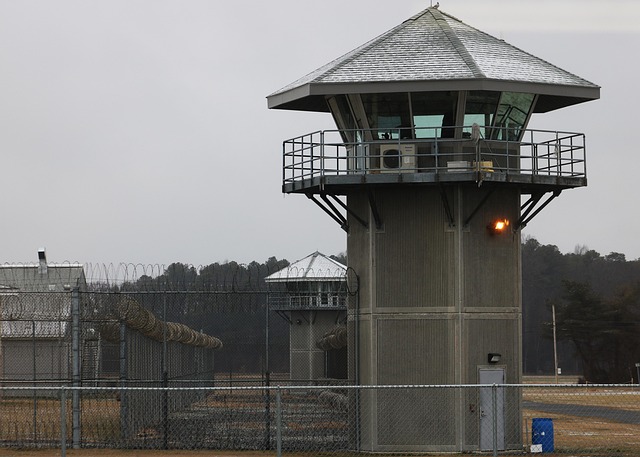
SUSANVILLE, CALIFORNIA (November 13, 2026) – A 26-year-old incarcerated man identified as David Long was killed in a yard attack at High Desert State Prison near Susanville.
Lassen County officials are saying that the attack occurred around 11:03 a.m. on Sunday. David Long was on the Facility C recreation yard when staff saw two other incarcerated men attacking him with an improvised weapon, according to the California Department of Corrections and Rehabilitation.
Staff gave verbal orders and used chemical agents to stop the attack, then called 911 and began life-saving measures. Long was taken to the prison’s treatment and triage area, where medical staff continued trying to save him.
Despite those efforts, Long was pronounced dead at 11:40 a.m., and his next of kin has been notified. The two men, ages 51 and 31, were not injured and were placed in restricted housing, KRCR reported.
Officials recovered a weapon made by an incarcerated person at the scene. Long had been in state custody since April 2024, when he was received from Los Angeles County.
Long’s death is not the first fatal attack at High Desert in recent years. In June 2025, Joseph Reagan was killed in a dayroom attack in which officers recovered an inmate-made weapon, and in August 2024, Anthony Alvarez Jr. died after two incarcerated people attacked him.
High Desert was also among the prisons whose high-security sections CDCR placed on modified movement in March 2025 in response to a surge in violence. A 2015 special review by the state’s Office of the Inspector General examined allegations that staff at the prison were slow to respond to incidents, including assaults between incarcerated people. Those findings raise questions about how yard groups are screened and how closely the yard was being watched on Sunday morning.
Liability for High Desert State Prison Yard Attacks
Prison officials have a constitutional duty under the Eighth Amendment to protect incarcerated people from violence by other prisoners. When officials are deliberately indifferent to a substantial risk of serious harm, meaning they know of the danger and disregard it, families can bring civil rights claims under 42 U.S.C. § 1983. State-law claims are more limited, because Government Code section 844.6 gives public entities broad immunity for injuries to prisoners. As a result, cases involving prison violence usually focus on what specific officials knew and what they did about it. Responsibility for an attack on a prison yard often depends on several factors:
- Yard classification: Officials decide who shares a yard based on custody level, known enemies, and gang affiliations.
- Weapon searches: Metal detectors, clothing searches, and cell searches are meant to keep weapons off recreation yards.
- Staffing levels: Yards need enough officers in towers and on the ground to see an assault and stop it quickly.
- Prior warnings: Recent attacks, threats, or intelligence about planned violence can put officials on notice of a specific danger.
- Response time: How quickly staff intervene and summon medical care can affect both survival and legal responsibility.
Federal courts in California have applied these principles directly to exercise yards. In Robinson v. Prunty, decided by the U.S. Court of Appeals for the Ninth Circuit in 2001, a prisoner at Calipatria State Prison was attacked twice on integrated exercise yards in 1996. He alleged that guards watched one fight for about five minutes before stepping in and joked before releasing the prisoner who attacked him the second time. The court held that the duty to protect prisoners from violence by other inmates was clearly established, and that if his account were true, the guards created a gladiator-like scenario no reasonable official could think lawful. The ruling denied the officials qualified immunity and allowed the claims to move forward toward trial.
Violence on California Prison Yards
According to the Bureau of Justice Statistics, 10 out of every 100,000 state prisoners died from homicide in 2018, the highest homicide rate in state prisons since the agency began collecting the data in 2001. Recreation yards concentrate large groups of people in open space, which can make them both a vital part of daily life and a place where violence spreads quickly. Prisons manage that risk through classification, searches, and supervision, and gaps in any one of those systems can have deadly consequences. Families rarely see how those systems work until something goes wrong. Common measures meant to prevent yard violence include:
- Weapon detection: Routine searches of people, cells, and yard grounds are the first line of defense against improvised weapons.
- Gang intelligence: Tracking rivalries and threats helps officials decide which groups can safely share a yard.
- Camera coverage: Fixed cameras give staff a second set of eyes and create a record of how incidents begin.
- Officer presence: Visible staff on the yard and in observation towers can discourage attacks and shorten response times.
- Medical readiness: Trained responders and nearby treatment areas can make the difference in the minutes after an assault.
A prison sentence does not take away a person’s right to be reasonably safe from violence. Every incarcerated person is entitled to protection from foreseeable harm, whatever their conviction. When safety systems break down, honest investigations help prevent the next death. Families of people killed in prison have the right to seek accountability from officials who ignored known risks. Pursuing those answers can also bring needed changes for everyone still living and working inside.
Investigating Prison Yard Attacks in Susanville
We at Feher Law extend our heartfelt condolences to the family and friends of David Long. We hope the investigation leads to accountability and to safety changes that prevent further deaths at High Desert State Prison. This incident raises serious safety concerns about violence on supervised recreation yards. How did an improvised weapon end up on a yard that staff were responsible for watching?
Has an attack at a prison near Susanville or elsewhere in Lassen County taken someone you love? Families have the right to a full and honest account of how a loved one died in state custody. Prisons control the yard footage, search records, and staff reports, and institutions tend to close ranks after a death behind their walls. Our team of safety advocates and accident investigators can help you understand what happened, from yard camera recordings and tower officer reports to weapon search logs and accounts from people who were on the yard. If you would like a free, independent investigation or help understanding your options, we are here whenever you need us at (424) 433-4412.