DNA Tests Trace Human Waste in San Pedro Creek as Surfers Keep Getting Sick at Pacifica State Beach
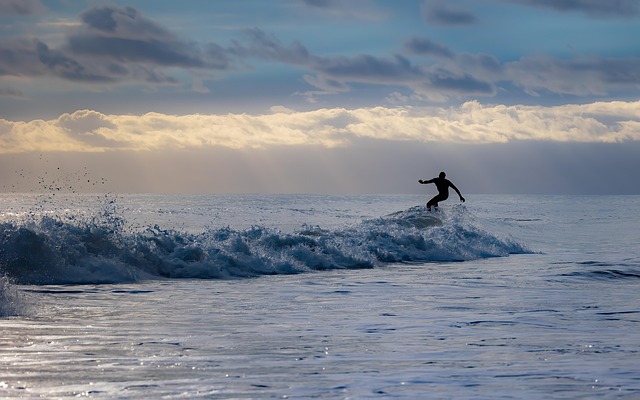
PACIFICA, CALIFORNIA (November 14, 2026) – A former surf instructor identified as Alex Ortega is among surfers who have fallen ill at Linda Mar Beach in Pacifica, where new tests point to human waste.
San Mateo County officials have warned of contamination where San Pedro Creek meets the beach for years, and new DNA findings were reported this week. Pacifica State Beach, known locally as Linda Mar, has long recorded elevated levels of E. coli and enterococcus, indicators of fecal contamination.
Alex Ortega, who grew up surfing at Linda Mar, became violently ill one evening in 2024 after a session there, according to the San Francisco Chronicle. He went to the emergency room for an IV drip, and lab results the next morning showed an E. coli infection.
In the weeks that followed, Ortega said, he lost more than 20 pounds. Others share his fear, including Surfrider Foundation volunteer Erin Rogers, who worries about getting sick every time she surfs there.
Starting in 2025, the Linda Mar Water Quality Coalition used PCR tests to look for a genetic marker from human gut bacteria. The results indicated human fecal matter, and the coalition says 85% of its creek samples over two years exceeded state safety standards, with leaking sewer infrastructure as the suspected source.
John Keener, a retired biochemist and former Pacifica mayor who leads the San Pedro Creek Watershed Coalition, told CBS News Bay Area that contamination levels have run about 30 to 40 times above the human health threshold. The coalition is also surveying the community about earaches, rashes, and stomach illness.
Linda Mar ranks among the nation’s worst in the Surfrider Foundation’s Clean Water Report, with 72% of samples failing state health standards. A State Water Board assessment found 203 of 306 samples at the creek-mouth monitoring site exceeded the state’s enterococcus objective.
Pacifica’s sewer system also has a troubled record: in 2011, regional regulators ordered the city to reduce and eliminate sewage spills in a $1.7 million settlement over a 6.9-million-gallon wastewater discharge. With old sewer laterals long suspected of leaking into the creek, questions remain about whether the responsible agencies have done enough.
Liability for Pacifica Water Contamination
Civil Code section 3479 defines a nuisance to include anything injurious to health, and community-wide pollution can support claims by those it harms. Under Government Code section 835, public entities can be liable for injuries caused by a dangerous condition of their property they knew about in time to act. The federal Clean Water Act lets citizens sue to stop illegal discharges. Claims against public agencies generally must be presented within six months under Government Code section 911.2, and these cases often turn on the following issues:
- Sewer maintenance: Agencies that run sewer systems must inspect, repair, and replace aging pipes and laterals.
- Storm drains: Runoff systems that carry waste to the ocean can create liability when known problems linger.
- Prior notice: Years of water tests, regulatory orders, and public complaints can show that an agency knew about a hazard.
- Public warnings: Beach managers must warn the public clearly when water quality threatens health.
- Scientific testing: Laboratory methods, including DNA-based source tracking, can distinguish human waste from animal waste and locate where pollution enters.
In Varjabedian v. City of Madera (1977), the California Supreme Court considered a family living 600 feet from a new city sewage plant that sent offensive odors onto their vineyard. The court ruled that the general laws allowing cities to build sewage plants did not expressly authorize the nuisance, so the city could not rely on statutory immunity. It upheld the family’s nuisance award and said recurring invasions from a public facility may support compensation even without physical damage. It remains a cornerstone when public sewage operations harm nearby communities.
Health Risks of Contaminated Recreational Water
A peer-reviewed 2018 study estimated that about 4 billion surface water recreation events each year in the United States lead to roughly 90 million illnesses, costing $2.2 billion to $3.7 billion annually. Those illnesses include gastrointestinal, respiratory, ear, eye, and skin symptoms, and the California Ocean Protection Council notes that wetter years bring worse beach water quality. Many people never connect their symptoms to the water, so knowing what to watch for matters:
- Stomach illness: Diarrhea, vomiting, cramps, and fever within a few days of water contact can signal a waterborne infection.
- Skin and ears: Rashes, ear pain, and eye or sinus infections are also common after exposure.
- Medical records: Seeing a doctor and asking for lab testing can confirm infections such as E. coli.
- Exposure details: Writing down the date, location, water conditions, and any posted warnings helps establish when and where exposure occurred.
- After storms: Staying out of the ocean for a few days after heavy rain lowers the risk of illness, since runoff carries pollution to the shore.
When one pollution source sickens people again and again, the harm is rarely isolated, and shared records from many affected people can reveal patterns no single complaint could show. Public agencies and private property owners alike have a duty to keep waste out of public waters. People who become sick may be entitled to compensation for medical care, lost wages, and the disruption to their daily lives. They also have the right to demand transparency about what is in the water and who is responsible for fixing it.
Investigating Water Contamination in Pacifica
We at Feher Law wish a full recovery to the surfers and beachgoers who have fallen ill after visiting Linda Mar Beach. We hope these findings push the responsible agencies to locate and repair the source of the contamination so families can safely enjoy the beach. Years of failed water tests at Linda Mar raise serious public health concerns for everyone who uses it. Where exactly is human waste entering San Pedro Creek, and why has it continued for so long?
Have you or a loved one become sick after surfing or swimming at Linda Mar Beach or elsewhere along the San Mateo County coast? People harmed by polluted water may be entitled to compensation for medical care, lost income, and time away from the activities they love. Records about sewer inspections, repairs, and spills are held by the public agencies involved. Our team of safety advocates and accident investigators can help you understand what happened, from water testing data and sewer maintenance records to medical findings that connect illness to the water. If you have questions about your rights or would like help understanding your options, we’re here for you anytime at (424) 433-4412.