Alison B. Carey Dies on the 91 Freeway After a Wrong-Way Driver Sends Her Car Into a Semi Truck’s Path
RIVERSIDE, CALIFORNIA (November 14, 2026) – A 41-year-old Tennessee woman identified as Alison Carey was killed in a truck accident on the 91 Freeway in Riverside.
Riverside County officials are saying that the crash occurred around 2:00 a.m. on Thursday. Alison Carey, of Murfreesboro, was driving a Volkswagen Jetta on the westbound 91 near Cridge Street when a Kia Sportage came toward her going the wrong way.
Multiple drivers called 911 to report the Kia, and California Highway Patrol officers began searching for it within moments. About eight minutes after the first calls, the Kia crashed head-on into Carey’s Jetta in the No. 2 lane, according to MyNewsLA.
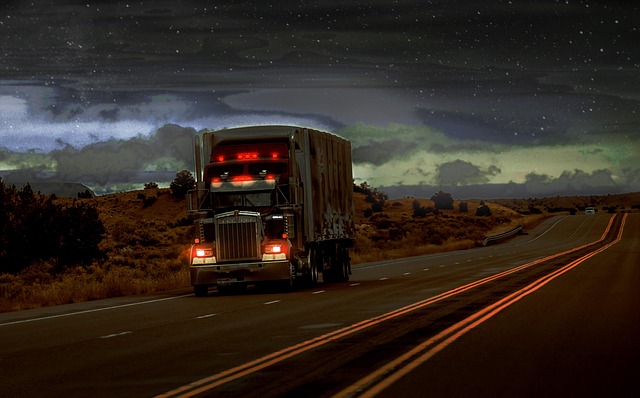
The impact overturned the Jetta, and a semi truck struck it while it was still in motion. First responders from the CHP and the Riverside Fire Department were called and arrived within a few minutes.
Alison Carey was pronounced dead at the scene. The two people in the Kia also died, while the truck driver was not injured.
The 91 Freeway through Riverside has a long history of deadly wrong-way crashes, including a 2018 head-on crash near Arlington Avenue that was the city’s second fatal wrong-way crash in four weeks. In 2022, a wrong-way driver traveled the westbound lanes near La Sierra Avenue despite multiple 911 calls before crashing head-on and injuring five people.
After a pilot program in Sacramento and San Diego, Caltrans said two-way reflective pavement markers that show red to wrong-way drivers worked so well that it updated its statewide design standards. That raises questions about whether the ramps along this stretch of the 91 carry those markers, flashing warning signs, or detection systems that alert the CHP in real time.
Liability for Riverside Truck Accident
Under Civil Code section 1714, every driver owes others ordinary care. Vehicle Code section 21651 bars driving against traffic on a divided highway, and breaking a safety statute can create a presumption of negligence under Evidence Code section 669. Truckers must follow federal driving rules, and California’s basic speed law requires speeds safe for conditions. Public agencies can share responsibility when a dangerous condition of their roadway contributes to a crash and they had notice in time to fix it. In multi-vehicle freeway crashes, responsibility often turns on these factors:
- Wrong-way entry: A driver who enters a freeway against traffic violates one of the most basic rules of the road and may answer for every collision that follows.
- Truck operation: A trucker’s speed, following distance, and attention to the road can decide whether a disabled vehicle ahead can be avoided.
- Employer duties: Trucking companies may answer for the conduct of their drivers on the job, and for their own hiring and training choices.
- Roadway design: Missing or faded wrong-way signs, pavement markers, and ramp warnings can raise questions about the agency responsible for a freeway.
- Electronic data: Truck event recorders, dashcam footage, 911 call logs, and traffic cameras can help reconstruct the final seconds before a crash.
In Cornette v. Department of Transportation (2001), the California Supreme Court reviewed a case in which a northbound car on the Antelope Valley Freeway was sideswiped, forced across an open median, and struck by southbound traffic just past the end of a Caltrans median barrier. The court explained that a public entity can lose design immunity when changed physical conditions make a design dangerous, the agency has notice, and it has a reasonable time to fix the problem or post adequate warnings. It also held that injured people have the right to a jury on disputed facts about those questions. The decision remains a key guide when a roadway’s layout leaves drivers exposed to opposing traffic.
Wrong-Way Crashes and Nighttime Freeway Safety
Wrong-way crashes are rare but often deadly because they are typically head-on. A AAA Foundation for Traffic Safety study found 4,164 fatal wrong-way crashes on U.S. divided highways from 2014 to 2023, resulting in 5,730 deaths. The annual number of these crashes roughly doubled over that period, from 278 in 2014 to 520 in 2023. The same research found higher risk in darkness and at dawn and dusk. A few habits can help drivers respond:
- Lane choice: The CHP has urged nighttime drivers to avoid the left-most lanes, where wrong-way drivers tend to travel.
- Scan ahead: Watching for headlights in your lane, reflectors glowing red, or other drivers swerving can buy precious seconds.
- Call 911: Reporting a wrong-way driver right away, with the direction, lane, and nearest exit, helps officers intercept the vehicle.
- Impairment: Earlier AAA Foundation research found that the odds of being a wrong-way driver rise as blood alcohol concentration increases.
- Truck spacing: Giving large trucks extra room matters, since a loaded tractor-trailer needs far more distance to stop than a passenger car.
Preventing wrong-way crashes takes sober drivers, clearly marked ramps, and fast emergency response working together. Agencies have proven, low-cost tools, and families can fairly ask whether they were used. When a crash takes a life, California law allows surviving family members to bring a wrongful death claim against those responsible. Those rights exist to bring accountability and to push for changes that protect the next family.
Investigating Truck Accidents in Riverside
We at Feher Law extend our deepest condolences to the family and friends of Alison Carey. We hope this tragedy leads to a full accounting and to safeguards that stop wrong-way drivers before they reach oncoming traffic. Crashes like this one raise serious safety concerns for everyone who travels the 91 Freeway overnight. What could have stopped a wrong-way driver during the eight minutes after the first 911 calls?
Have you or a loved one been affected by a truck or wrong-way accident in Riverside or elsewhere in the Inland Empire? Families who lose someone in a freeway crash can hold every responsible party accountable, from drivers to trucking companies to the agencies that design and maintain the road. When several vehicles and a public freeway are involved, each party may offer its own version of events. Our team of safety advocates and accident investigators can help you understand what happened, from truck event data and dashcam footage to 911 call records and the condition of nearby ramps. If you have questions about your rights or would like a free, independent investigation, we’re here for you anytime at (424) 433-4412.