Ricardo Frias Gonzales, 36, of San Bernardino Dies After a Sedan and Semi Collide on Cajon Boulevard Near Glen Helen Parkway
DEVORE, CALIFORNIA (November 12, 2026) – A 36-year-old San Bernardino man identified as Ricardo Frias Gonzales was killed in a truck accident on Cajon Boulevard in Devore.
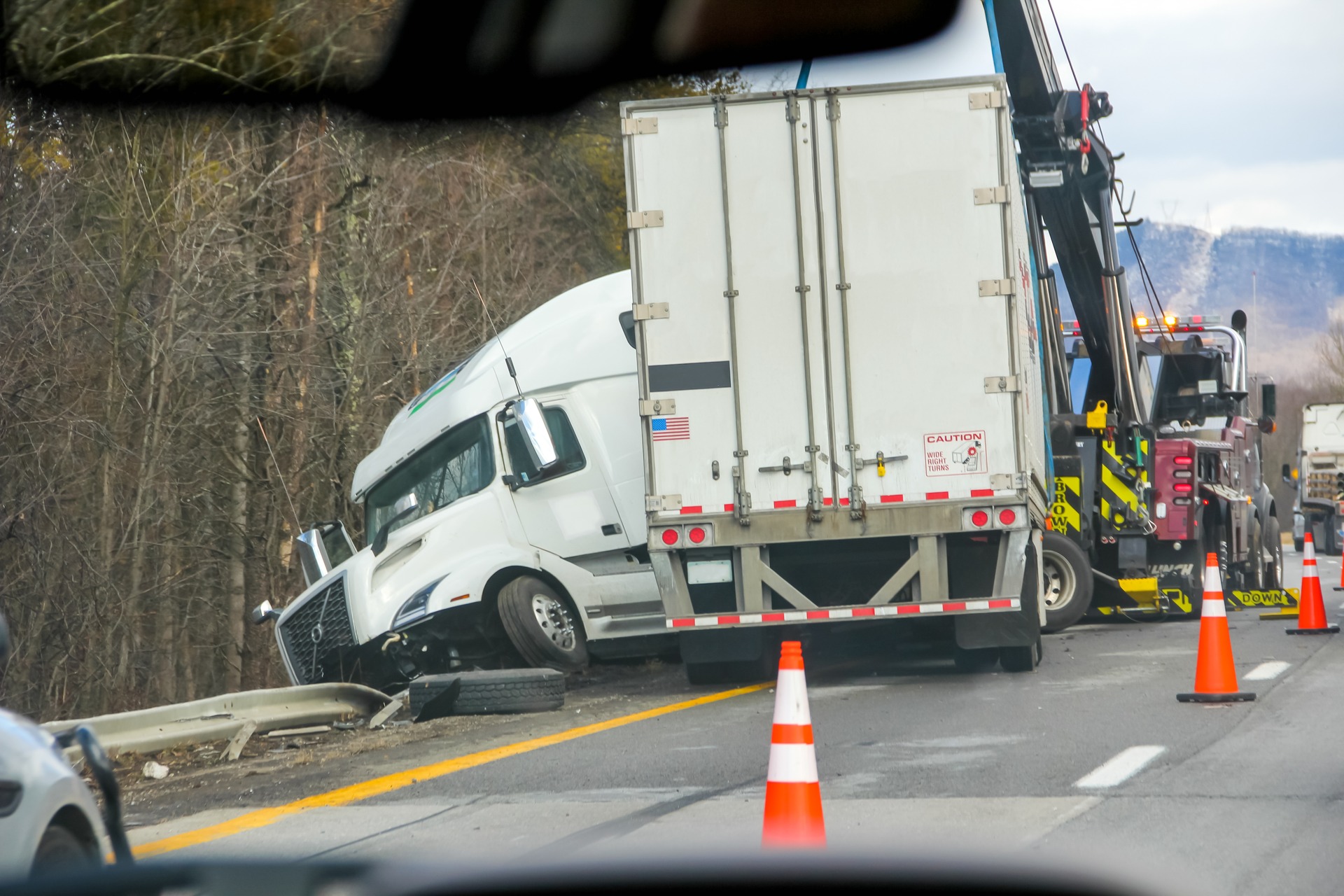
San Bernardino County officials are saying that the crash occurred around 6:12 p.m. on Sunday. Ricardo Frias Gonzales was in a brown sedan on Cajon Boulevard near Glen Helen Parkway when it collided with a semi tractor-trailer, according to Pain in the Pass.
The CHP traffic log indicated that the sedan struck the side of the semi, though the circumstances leading up to the collision have not been released. First responders were called to the scene, where San Bernardino County Fire crews found two people in the sedan, one of whom was trapped.
Both were taken to Arrowhead Regional Medical Center with serious injuries. Ricardo Frias Gonzales later died at the hospital, and the San Bernardino County Coroner’s office later released his identity.
Cajon Boulevard, part of historic Route 66, was reconnected near Glen Helen Parkway during the Devore Interchange project to give drivers an alternate route through the area, according to Caltrans. In 2025, San Bernardino County activated a new traffic signal at Glen Helen Parkway and Devore Road to handle growing traffic tied to a new dispatch facility nearby.
Those changes raise questions about how much heavy truck traffic now shares these local roads with passenger cars. Families may also want to know whether lighting, signage, and turning areas have kept pace.
Liability for Devore Truck Accidents
Commercial truck drivers and the companies that employ them must meet both state and federal safety standards. Civil Code section 1714 makes everyone responsible for injuries caused by a lack of ordinary care, a duty that carries special weight for operators of vehicles weighing many tons. The basic speed law requires speeds that are reasonable for traffic, visibility, and road conditions. Federal hours-of-service rules limit how long truck drivers can operate and require most carriers to record driving time with electronic logging devices. Because employers can also be held responsible for the negligent acts of drivers working on their behalf, responsibility in a car-and-semi collision often turns on several factors:
- Truck position: Whether a truck was turning, crossing, parked, or stopped in a travel lane can determine how foreseeable a collision was.
- Trailer lighting: Trailers must be visible at night, and missing or dirty lights and reflectors can make a trailer hard to see.
- Driver fatigue: Logbook and electronic logging data show whether a driver was within legal hours.
- Maintenance: Inspection and repair records reveal whether brakes, lights, and other equipment were in working order.
- Company practices: Hiring, training, and dispatch decisions can expose a motor carrier to responsibility.
California’s Supreme Court has made clear that truck drivers owe a duty of care even when another vehicle is the one that strikes the truck. In Cabral v. Ralphs Grocery Co. (2011), the court reviewed a case in which a pickup truck driver was killed after colliding with a tractor-trailer that a grocery company’s driver had stopped on the shoulder of Interstate 10 to have a snack. The court rejected the argument that the company owed no duty to other freeway users and reinstated a jury verdict finding the company partly at fault. It explained that drivers generally owe a duty of ordinary care in how they operate and position their vehicles, and that whether the duty was breached is a question for the jury. The decision shows how responsibility can be shared among several parties in a collision involving a commercial truck.
Evidence That Matters After a Truck Crash
Collisions involving large trucks are especially deadly for people in smaller vehicles. According to the Insurance Institute for Highway Safety, 4,354 people died in crashes involving large trucks in 2023, and 65% of them were passenger vehicle occupants. The same research notes that large trucks often weigh 20 to 30 times as much as passenger vehicles. Because these crashes involve commercial operations, they also generate far more records than an ordinary car crash. Several types of evidence can help explain how a truck collision happened:
- Electronic logs: Electronic logging devices record a driver’s duty status, and FMCSA guidance requires carriers to keep this data for six months.
- Engine data: A truck’s engine control module can store information about speed, braking, and throttle in the moments before impact.
- Dashcams: Many fleets use forward- and driver-facing cameras that capture both the road and the driver’s actions.
- Dispatch records: Delivery schedules and communications can show whether a driver was under pressure to keep moving.
- Inspections: Pre-trip inspection reports and maintenance files can reveal equipment problems that were known before a crash.
These records are usually controlled by the trucking company, which may have little incentive to share them. Families who lose a loved one in a truck crash deserve access to the full picture of what happened, not just the version offered by those who hold the evidence. Stronger enforcement of safety rules helps keep fatigued driving and poorly maintained equipment from putting others at risk. California law allows surviving family members to hold negligent drivers and companies accountable. Transparency in these cases also helps regulators and communities spot the patterns that lead to safer roads.
Investigating Truck Accidents in Devore
We at Feher Law offer our heartfelt condolences to the family and friends of Ricardo Frias Gonzales. We also wish the other person injured in the sedan a full recovery, and we hope a complete investigation leads to safety improvements along this stretch of Cajon Boulevard. This crash raises serious concerns about how passenger cars and heavy trucks share the roads near the Cajon Pass. Where were the semi and the sedan positioned in the moments before they collided?
Have you or a loved one been affected by a truck accident in Devore or elsewhere in San Bernardino County? Families who lose someone in a collision with a commercial truck have the right to hold the drivers and companies involved accountable. Trucking companies often control the logbooks, camera footage, and maintenance files that show how a crash happened, and they may move quickly to shape their own version of events. Our team of safety advocates and accident investigators can help you understand what happened, from electronic logging and engine data to dashcam footage and witness accounts. If you’d like a free, independent investigation or help understanding your options, our team is available anytime at (424) 433-4412.