Anna Henriquez-De Paz Dies and a Man Is Hurt After Fire Damages Both Floors of a South El Monte Apartment
SOUTH EL MONTE, CALIFORNIA (November 8, 2026) – A 50-year-old woman identified as Anna Henriquez-De Paz was killed in an apartment fire in South El Monte.
Los Angeles County officials are saying that the fire was reported around 9:18 p.m. on Tuesday, October 27. Anna Henriquez-De Paz was inside a two-story apartment in the 3000 block of North Lashbrook Avenue, near Garvey Avenue, when flames broke out for reasons that have not been released, according to MyNewsLA.
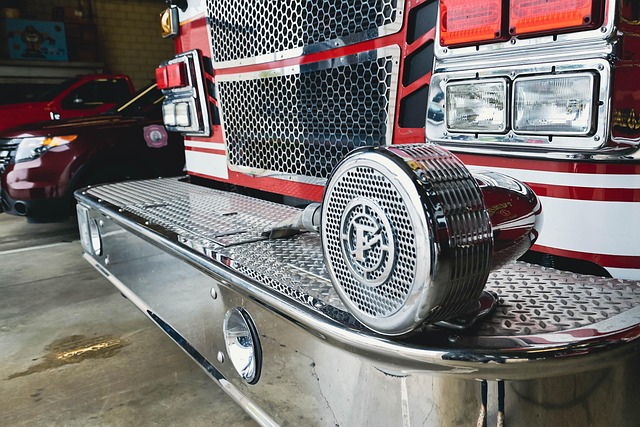
Los Angeles County firefighters responded and had the fire out by 9:33 p.m. At least one of the two people inside was found on the second floor, and both were taken to a hospital.
Anna Henriquez-De Paz died at the hospital, and the Los Angeles County medical examiner deferred a finding on her cause of death. A man was also injured, and video from the scene showed damage to both floors of the unit as firefighters revived a dog with oxygen.
California requires a smoke alarm approved by the State Fire Marshal in every dwelling unit intended for human occupancy, including apartments, under Health and Safety Code section 13113.7. Whether the unit had working alarms, and how quickly the people inside were warned, has not been publicly addressed.
Deadly apartment fires are not new to this part of the San Gabriel Valley. In neighboring El Monte, a fire at an apartment building near Garvey Avenue and Peck Road killed a man and displaced at least 12 residents, according to FOX 11. Until the cause is announced, questions about wiring, appliances, and building maintenance remain open.
Liability for South El Monte Apartment Fires
California landlords owe tenants a duty of ordinary care in managing their properties, and courts have applied that duty to fires that start in rental units. State law also imposes specific fire-safety obligations, including the smoke alarm requirement in Health and Safety Code section 13113.7. An owner who knows about a dangerous condition, such as faulty wiring or a defective heater, and fails to fix it can be responsible for the harm that follows. Responsibility may also extend to contractors who installed equipment, manufacturers of defective products, and others whose conduct contributed to a fire. Investigations into residential fires typically focus on a familiar set of questions.
- Smoke Alarms: Owners must install approved alarms and repair or replace alarms they learn are not working.
- Electrical Systems: Overloaded circuits, damaged outlets, and outdated wiring are common sources of residential fires.
- Heating Equipment: Wall heaters and other landlord-supplied appliances must be kept in safe working order.
- Escape Routes: Blocked exits and window bars without release latches can trap residents inside.
- Repair Records: Maintenance logs, tenant complaints, and inspection reports can show what an owner knew before a fire started.
A California Court of Appeal decision, Evans v. Thomason (1977), shows how these duties apply. Tenants in a duplex repeatedly told their landlords about a defective electrical outlet, and the landlords saw the family running two large appliances on an extension cord because of it. A fire later broke out, and the court affirmed a judgment for the tenants, holding that the landlords’ failure to repair the outlet was a proximate cause of the fire. Applying ordinary negligence principles to the landlord-tenant relationship, the court found the harm foreseeable given common knowledge about electrical hazards. The decision confirms that property owners who ignore known fire risks can be held accountable when those risks turn deadly.
Smoke Alarms and Survival in Home Fires
Working smoke alarms are among the most effective protections against dying in a home fire. Research from the National Fire Protection Association found that during 2012 to 2016, almost three of every five home fire deaths resulted from fires in properties with no smoke alarms (40 percent) or no working smoke alarms (17 percent). The same report found that the risk of dying in a reported home fire is cut in half where working alarms are present. Those numbers reflect how much depends on the seconds an alarm provides, especially for people who are asleep. Residents and property owners can take several practical steps to keep that protection in place.
- Testing: Alarms should be tested regularly so dead or missing batteries are discovered before an emergency.
- Placement: Alarms work best when installed inside and outside sleeping areas and on every level of a home.
- Interconnection: Linked alarms sound together, giving people in other rooms earlier warning of a fire.
- Replacement: Older alarms lose reliability over time and should be replaced on the manufacturer’s schedule.
- Written Notice: Tenants who find a missing or broken alarm should notify the property owner in writing so the problem is documented.
Fire safety in multi-unit housing is a shared responsibility, but the law places specific duties on the people who own and manage buildings. Those duties exist because tenants cannot rewire a building or replace hard-wired systems on their own. When a fire takes a life, families have the right to learn exactly how it started, whether required safety equipment was in place, and whether anyone ignored warning signs. Fire department reports and independent cause-and-origin investigations often reveal details that early accounts miss. Pursuing those answers can lead to accountability and to safer conditions for the neighbors who still live in the building.
Investigating Apartment Fires in South El Monte
We at Feher Law send our heartfelt condolences to the family and loved ones of Anna Henriquez-De Paz. We hope the investigation into this fire leads to accountability and to improvements that protect other residents of the building and the surrounding community. This loss raises serious safety concerns about fire protection in local apartment housing. Were working smoke alarms in place to give the people inside every possible second to escape?
Have you or a loved one been affected by an apartment fire in South El Monte or elsewhere in Los Angeles County? Families have the right to learn exactly how a fire started and whether a building met state safety requirements. Property owners and their insurers often control the burned unit and the maintenance records, and a damaged apartment can be cleaned out or rebuilt before anyone else examines it. Our team of safety advocates and accident investigators can help you make sense of what happened by reviewing fire department reports, repair histories, and the condition of the unit’s alarms. If you would like help understanding your options or a free, independent investigation, we are here for you anytime at (424) 433-4412.