Police Say Jonathan Farkhondehpour Was Acting Erratically Before an LAPD Officer Shot Him Inside a Warbler Way Home
HOLLYWOOD HILLS, CALIFORNIA (November 7, 2026) – A 37-year-old man identified as Jonathan Farkhondehpour was killed in a police shooting inside a home in the Hollywood Hills.
Los Angeles County officials are saying that the incident was reported around 9:35 p.m. on Saturday, September 12. According to Beverly Press, police received a call that a man had entered a house in the 9300 block of Warbler Way, near Doheny Drive, and stabbed a resident during a struggle.
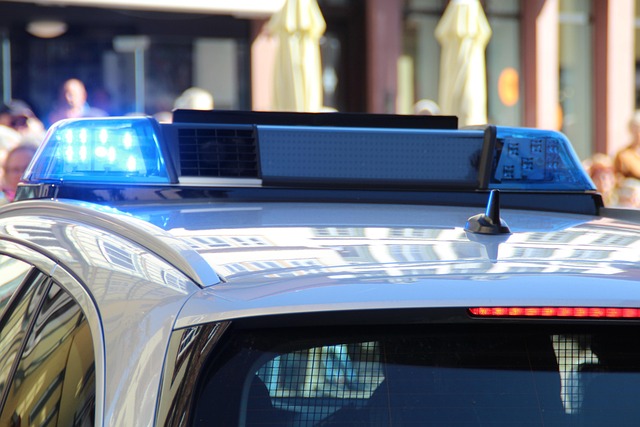
The resident fought off the attacker and called police, and Hollywood Division officers arrived to find Jonathan Farkhondehpour still inside the home, allegedly armed with a knife, according to the LAPD. Police said he did not comply with commands to drop the weapon, and an officer fired.
Paramedics were called, and Jonathan Farkhondehpour was pronounced dead at the scene. The Los Angeles County medical examiner’s office identified him two days later.
The resident suffered serious injuries but was expected to survive. Police described Farkhondehpour as acting erratically, and toxicology results were still pending.
Public accounts of the shooting do not say whether officers tried a less-lethal option, such as a beanbag shotgun or 40mm projectile, before firing. In a December 2025 Hollywood Division shooting, the department reported that a less-lethal round and gunfire happened almost simultaneously as a man charged at officers.
Reports that Farkhondehpour was behaving erratically also raise the possibility that he was in some form of crisis, which can change how officers are trained to approach a confrontation. The LAPD’s practice is to release critical incident video within 45 days, and footage from this shooting could show how much time and distance officers had before the shot was fired.
Liability for Hollywood Hills Police Shooting
California law asks more of officers than simply reacting to a threat in the moment. Penal Code section 835a states the Legislature’s intent that officers use deadly force only when necessary in defense of human life, and it requires them to evaluate each situation and use other available resources and techniques when reasonably safe and feasible. The statute also recognizes that people with mental health or developmental disabilities may not be able to understand or comply with officers’ commands. Beyond the criminal standard, California negligence law allows families to challenge how officers handled the entire encounter, not just the final second. Reviews of these shootings tend to focus on several issues.
- De-Escalation: Officers are expected to use time, distance, and communication to slow a situation down when it is safe to do so.
- Less-Lethal Tools: Beanbag rounds, 40mm projectiles, and Tasers may resolve a knife encounter without loss of life.
- Crisis Response: Signs of a mental health or substance-related crisis can call for specialized responders or tactics.
- Distance: How close officers stood to a person with a knife, and whether they could have backed away, can affect whether a threat was truly imminent.
- Commands: Whether orders were clear, repeated, and understandable matters when a person appears unable to comply.
The California Supreme Court addressed knife confrontations directly in Hayes v. County of San Diego (2013). San Diego County deputies went to the home of a man who was reported to be suicidal, and they shot and killed him when he came toward them holding a large knife. The court held that officers’ tactical conduct and decisions before a shooting can be considered as part of the totality of circumstances when judging whether deadly force was reasonable under state negligence law. In other words, a shooting that looks justified in its final moments can still be found negligent if earlier choices unreasonably created the danger. The ruling remains one of the most important decisions for families examining what happened before officers fired.
Mental Health Crises and Police Encounters
People experiencing a mental health crisis face a much greater risk of dying in encounters with police. A 2015 Treatment Advocacy Center report found that the risk of being killed during a police encounter is 16 times higher for people with untreated serious mental illness than for other civilians. In California, officers reported signs of erratic behavior in 92 people and signs of mental disability in 99 people involved in serious use-of-force incidents in 2025, according to the state Department of Justice. Those numbers show how often crisis and force intersect. Experts and advocates point to several practices that can reduce the danger.
- Crisis Teams: Pairing officers with mental health clinicians, or sending clinicians on their own when safe, can change how an encounter unfolds.
- Training: Crisis intervention training teaches officers to recognize symptoms and communicate in ways that lower tension.
- Time and Space: Creating distance and waiting for additional resources can give a person in crisis a chance to calm down.
- Family Information: Relatives often know a person’s history and triggers, which can help responders choose the right approach.
- Follow-Up Care: Connecting people to treatment after an earlier crisis can prevent the next emergency.
A mental health emergency should be treated first as a medical emergency. When police are the only responders, the tools at hand can push an encounter toward force even when time and patience might have worked. Families who lose someone during a crisis deserve a full and honest account of what responders knew and how they reacted. They have the right to pursue accountability when an agency’s training, policies, or tactics fall short. Pressing for those answers helps build response systems that protect both the public and people who are struggling.
Investigating Police Shootings in the Hollywood Hills
We at Feher Law extend our deepest condolences to the family and loved ones of Jonathan Farkhondehpour. We also wish a full recovery to the resident who was injured, and we hope a thorough review brings accountability and leads to policies that reduce deadly outcomes when people appear to be in crisis. This shooting raises safety concerns about how officers respond to armed and erratic people inside private homes. Were there options short of deadly force available to the officers inside that house?
Has someone you love been hurt or killed in a police shooting in the Hollywood Hills or elsewhere in Los Angeles? California law limits police use of deadly force to situations where it is truly necessary, and families are entitled to a full and honest account of what happened. Early statements from the agency involved are often preliminary and may not reflect everything shown on video or described by witnesses. Our team of safety advocates and accident investigators can help you understand what happened, from body camera footage and dispatch records to autopsy findings and witness statements. If you have questions about your rights or need support of any kind, we’re here for you anytime at (424) 433-4412.