
Amputation Injury Settlement in California (2026)
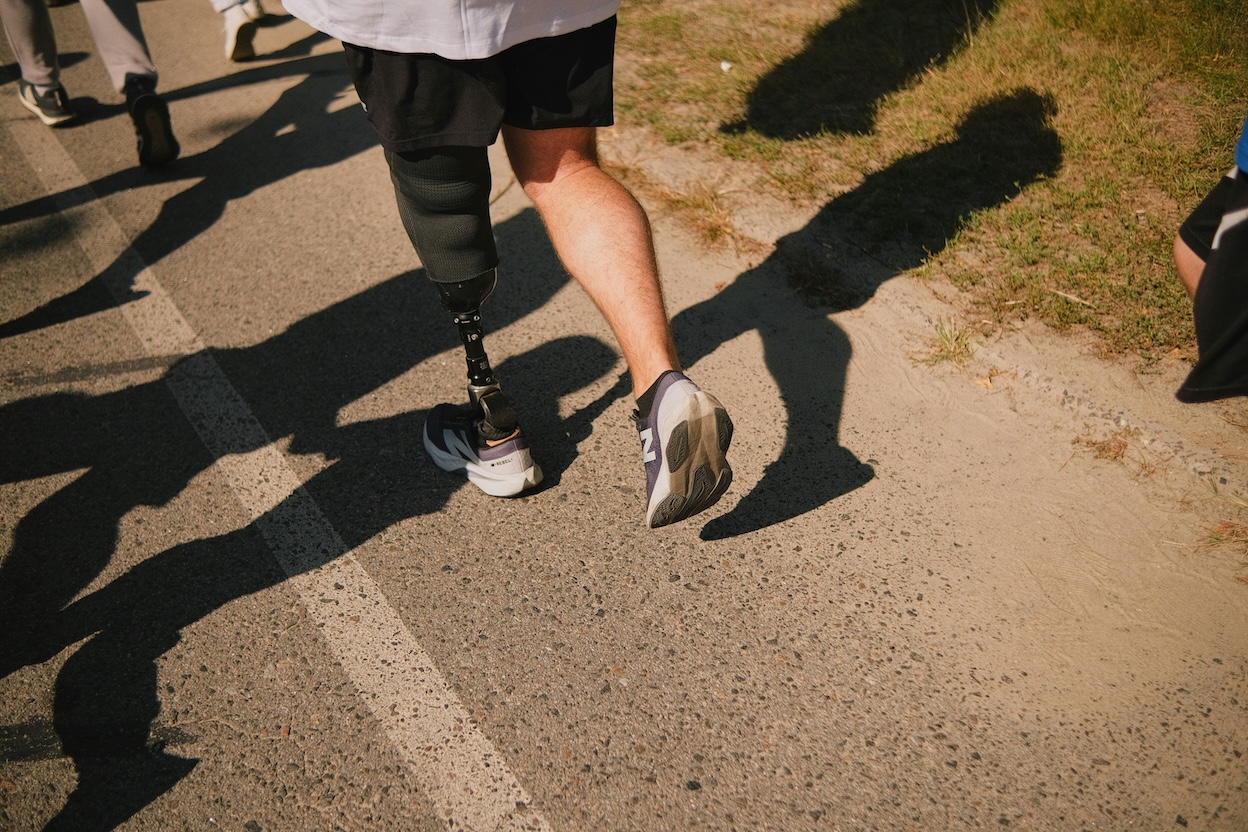
There is no standard settlement amount for an amputation injury in California. What a claim is worth depends on the specifics of the case, and the value is driven by the lifetime cost of prosthetics and their replacement, revision surgeries, lost earning capacity, and the disfigurement and chronic pain that accompany limb loss.
Injured in California? Speak with a California personal injury lawyer at Feher Law for a free consultation. You pay nothing unless we win.
Key Takeaways
- There is no standard amputation settlement amount in California; what a claim is worth depends on the specifics of the case.
- Value is driven by injury severity, permanence, and available insurance, not the bills to date.
- California places no cap on pain and suffering in ordinary negligence cases (Civil Code 3333 sets the measure).
- Documentation and continuous treatment are what move a claim to the top of its range.
- Deadline: generally 2 years from the injury (Code of Civil Procedure 335.1); as little as 6 months against a government entity (Government Code 911.2).
Not sure what your case is worth? Take our free 60-second Case Value Estimator for a personalized settlement range. It is anonymous, with no obligation.
Is There an Average Settlement for an Amputation in California?
There is no single average and no standard settlement amount. What a claim is worth depends on the specifics of the case, and the value rises with the level of the amputation (a leg above the knee costs far more to prosthetically manage than a finger) and the victim’s age and occupation. A modern prosthetic limb is replaced every three to five years for life, so the lifetime device cost is a central part of the claim.
Amputation Settlement Amounts in California: Why There Is No Standard Figure
There is no standard settlement amount for an amputation injury in California. What a claim is worth depends on the specifics of the case, and the level of the amputation and the lifetime prosthetic cost are the two largest drivers.
- Finger or partial hand: function loss and occupation impact drive the value.
- Below-knee or below-elbow: prosthetic replacement and revision surgeries drive the value.
- Above-knee or above-elbow: higher device cost and mobility loss drive the value.
- Multiple limbs: attendant care and home modification drive the value.
This is general information, not a prediction of what any case is worth. Every case depends on its own facts, the evidence, the law that applies, and the insurance available. Past results do not guarantee a similar outcome. This is not legal advice.
Why Prosthetics Drive the Value
A prosthetic limb is a lifetime, recurring cost. Advanced myoelectric devices are expensive and are replaced every three to five years, plus sockets, fittings, repairs, and maintenance. Over a normal life expectancy the device cost alone becomes a major component of the claim, which is why an amputation claim must be valued with a life-care plan, not a single surgical bill.
Disfigurement, Phantom Pain, and Lost Capacity
Beyond the economics, California compensates disfigurement and the chronic phantom-limb pain many amputees experience, as separate non-economic damages with no statutory cap. Lost earning capacity is often substantial where the amputation ends a physical career.
Traumatic vs Surgical Amputation
Amputations fall into two categories that affect both treatment and claim value. A traumatic amputation occurs at the scene, when a limb is severed by the force of the accident or machinery. A surgical amputation happens later, when doctors determine a crushed or non-viable limb cannot be saved. Both are compensable, but the medical record, the surgical decision-making, and the rehabilitation path differ, and documenting the full arc from injury through prosthetic fitting is essential to valuing the claim correctly.
Workers' Compensation vs Third-Party Claims
When an amputation happens at work, you generally have a workers’ compensation claim under Labor Code 3600, which pays regardless of fault but limits what you recover. Crucially, if a third party contributed, a defective machine, a negligent contractor, an equipment manufacturer, you may also have a separate third-party personal injury claim under Labor Code 3852 with far higher recovery potential, including pain and suffering that workers’ comp does not pay. Identifying every responsible party is often the difference between a modest and a substantial recovery.
The Real Lifetime Cost of an Amputation
To value an amputation claim correctly, you have to price the entire future, and the scope surprises most people. A single advanced prosthetic limb is a significant expense, and because prosthetics wear out and technology changes, they are replaced roughly every three to five years for the rest of the person’s life. Over a normal life expectancy, that is a dozen or more replacements, plus sockets, liners, repairs, and adjustments in between. On top of the device itself come the costs of physical and occupational therapy, revision surgeries, treatment for phantom-limb and residual-limb pain, mental-health care, home and vehicle modifications, and often reduced earning capacity. Added together, the lifetime cost of a major amputation is substantial, which is why these claims must be built on a life-care plan prepared by medical and economic experts rather than on the initial hospital bill. There is no standard settlement amount; what a claim is worth depends on the specifics of the case.
Lost Earning Capacity After an Amputation
An amputation can end a career or force a change to lower-paid work, and California compensates that loss separately from past lost wages. Lost earning capacity measures the difference between what the victim could have earned over their working life without the injury and what they can realistically earn now. For someone in a physical trade, a leg or hand amputation may make their previous occupation impossible, and the lifetime earnings gap can be substantial. Proving it requires vocational experts who assess the victim’s remaining work capacity and economists who calculate the present value of the lost earnings. Younger victims and higher earners see the largest figures here, and this component alone can exceed the medical damages in the claim.
How an Amputation Claim Is Proven
Winning full value for an amputation requires connecting three things: liability, the full medical picture, and the lifetime projection. Liability establishes who is responsible, whether a negligent driver, a defective machine, an unsafe property, or an employer and third party in a workplace case. The medical record must document the injury, the surgical decision-making, the rehabilitation, and the prosthetic fitting, along with any complications like infection or chronic pain. Finally, the life-care plan and economic analysis translate that medical reality into dollars over the victim’s lifetime. Insurers attack the future projection hardest because it is the largest number, so the strength of the expert testimony supporting it is usually what determines whether the claim settles for its true value.
Frequently Asked Questions
There is no standard settlement amount for an amputation in California. What a claim is worth depends on the specifics of the case: the level of the amputation, the lifetime cost of prosthetics and care, lost earning capacity, and the insurance available.
Advanced prosthetics are replaced every three to five years for life, plus sockets, fittings, repairs, and maintenance, so the lifetime device cost is many multiples of the first one. That is why the claim is valued with a life-care plan rather than a single bill.
Yes. California compensates disfigurement and chronic pain as non-economic damages, separate from medical costs, with no cap in ordinary negligence cases.
You may have both a workers' compensation claim and, if a third party or defective equipment was involved, a separate personal-injury claim with far higher recovery.
Generally two years from the injury date in California, shorter if a government entity is involved.
Nothing unless we win. All personal injury cases are handled on contingency under a written agreement as Business and Professions Code 6147 requires.
Not sure what your case is worth? Take our free 60-second Case Value Estimator for a personalized settlement range. It is anonymous, with no obligation.
This article is general information published by Feher Law, APC for marketing and educational purposes. It is not legal advice, it is not the opinion of any attorney about any specific case, and it does not create an attorney-client relationship. There is no standard settlement amount for any injury or case. What a claim is worth depends on the specifics of the case, and no result is predicted or guaranteed. Last updated November 2026.