
GKN Aerospace Garden Grove Chemical Incident: Legal Rights for Affected Residents (2026)
- Tom Feher, Esq.
By Thomas Feher, Esq.|Founder, Feher Law APC|50+ jury trials|$170M+ recovered|Super Lawyers 2022-2026|Avvo 10.0
From Tom Feher, Esq.
“Chemical incident cases turn on what families do in the first 72 hours, and on what they don’t do. The families that recover the most aren’t always the ones with the most severe exposure. They’re the ones who documented every evacuation receipt, sought same-day medical evaluation even when symptoms felt mild, and refused to give a recorded statement to GKN’s carrier before consulting counsel. Documentation in the first three days determines the case value 18 months later.”
Thomas Feher, Esq. · Founding Attorney, Feher Law APC · 50+ jury trials to verdict · $170M+ recovered · Super Lawyers 2022-2026
Residents affected by the May 2026 GKN Aerospace chemical incident in Garden Grove, California can recover damages for evacuation costs, lost wages, medical expenses, property damage, and emotional distress under California negligence law. The release from the 34,000-gallon methyl methacrylate (MMA) storage tank at 12122 Western Avenue triggered a 9-square-mile evacuation zone and displaced more than 50,000 residents across Garden Grove, Stanton, Cypress, Anaheim, Buena Park, and Westminster. California’s two-year personal injury statute of limitations under Code of Civil Procedure section 335.1 applies to claims arising from the incident, and prior Cal/OSHA citations against GKN Aerospace provide a documented negligence pattern that materially strengthens affected residents’ claims.
In our practice representing California chemical-incident victims, the cases that recover the most are not the ones with the most dramatic acute symptoms – they are the ones with the most thorough contemporaneous documentation. Within 72 hours of exposure, the medical chart, evacuation receipts, and property-damage photographs you assemble become the foundation of every dollar the case ultimately produces.
Key Takeaways
- Statute of limitations: Two years from the date of exposure under Code of Civil Procedure section 335.1. Property damage claims have a separate three-year clock under section 338. For latent illness that appears later, Code of Civil Procedure 340.8 runs the clock two years from the date you knew or should have known the harm came from the exposure. Any claim against a public entity must be presented within six months under Government Code 911.2.
- Documented negligence pattern: GKN Aerospace received 2018 Cal/OSHA citations for failing to maintain and inspect machinery and for improperly cooled chemical storage tanks. OSHA documented 10 safety violations, and the company has faced civil penalties for unpaid fines related to failed safety inspections.
- Recoverable damages include: evacuation costs (hotel, food, transportation), lost wages, medical expenses (current and future), property damage, diminished property value, pain and suffering, emotional distress, and (in catastrophic cases) wrongful death.
- No statutory cap: California does not cap non-economic damages in environmental tort cases under Civil Code section 3333.
- Contingency representation: Feher Law handles chemical-incident cases on contingency under Business and Professions Code section 6147. You pay nothing unless we recover. Free consultation available 24/7.
Free Case Evaluation – Available 24/7
If you or a family member were evacuated or exposed during the GKN Aerospace incident, call (310) 340-1112 – Available 24/7, no fee unless we win.
California Chemical Exposure Settlement Amounts (2026)
Chemical-incident claim values in California vary widely based on exposure documentation, health effects severity, and the strength of the negligence evidence against the responsible party. Below are typical settlement ranges for cases similar to the GKN Aerospace incident:
| Case Profile | Typical California Settlement Range | Key Value Drivers |
|---|---|---|
| Evacuation only, no documented symptoms | $2,500 – $15,000 | Hotel, food, lost wages, transportation receipts |
| Acute symptoms, full recovery | $10,000 – $50,000 | ER visit, brief treatment, evacuation costs |
| Persistent respiratory or dermatologic symptoms | $50,000 – $250,000 | Specialist treatment, pulmonary function testing, ongoing medication |
| Documented chronic injury (asthma, RADS, dermatitis) | $150,000 – $1M+ | Permanent diagnosis, life-care projections, lost earning capacity |
| Property damage / diminished value | $5,000 – $200,000+ | Contamination testing, remediation costs, appraisal evidence |
| Wrongful death | $1M – $10M+ | Causation analysis, survivors’ economic and non-economic loss |
Past results do not guarantee future outcomes. Every case is evaluated on its specific facts under California law.
What Happened at GKN Aerospace
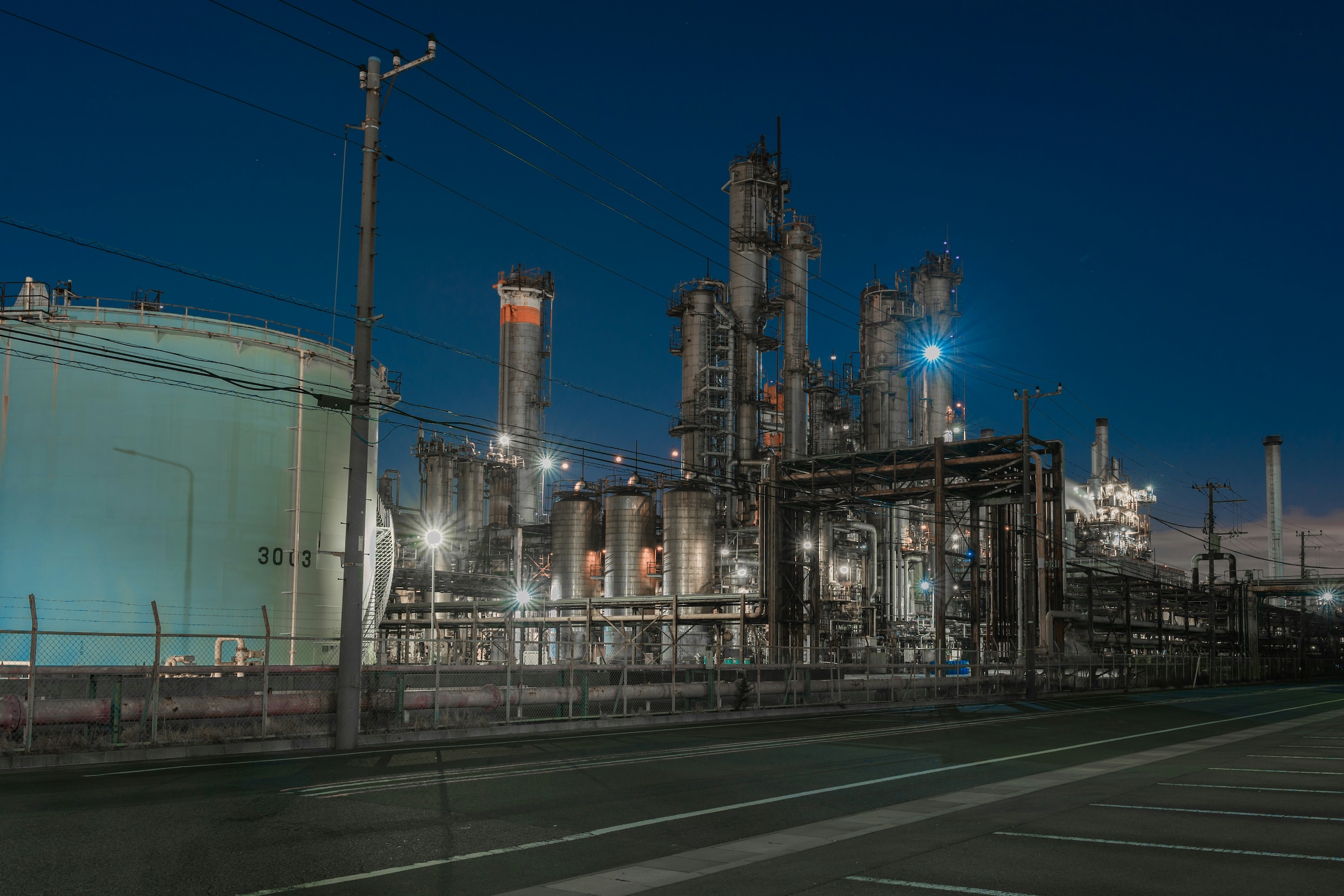
In May 2026, a 34,000-gallon methyl methacrylate storage tank at the GKN Aerospace facility at 12122 Western Avenue in Garden Grove overheated and began releasing chemical vapor. Approximately 7,000 gallons remained in the tank at explosion risk, triggering emergency response from Garden Grove Fire, Orange County hazmat teams, and California Department of Toxic Substances Control (DTSC).
Authorities established a 9-square-mile evacuation zone bounded north of Trask Avenue, south of Ball Road, east of Valley View Street, and west of Dale Street. The evacuation order affected residents across six Orange County cities: Garden Grove, Stanton, Cypress, Anaheim, Buena Park, and Westminster. More than 50,000 residents were displaced.
Reported health effects among affected residents included breathing problems, dizziness, nausea, eye irritation, and skin irritation. Methyl methacrylate exposure is documented in occupational health literature to cause respiratory tract inflammation, central nervous system depression, and dermatitis with sufficient exposure duration or concentration. In our chemical-exposure cases, we frequently see symptoms that present mildly in the first 24 hours and intensify over days to weeks as the inflammatory cascade fully develops.
The Negligence Case Against GKN Aerospace
California negligence claims require proof of four elements: duty, breach, causation, and damages. The GKN Aerospace incident presents an unusually strong fact pattern on the duty and breach elements because of the company’s documented prior safety failures.
Duty: Property owners and operators of facilities storing hazardous chemicals owe a duty of ordinary care to neighboring residents and the public under Civil Code section 1714. Chemical storage facilities also carry heightened duties under California Health and Safety Code sections 25500-25545 (the Hazardous Materials Release Response Plans and Inventory Act) and the federal Emergency Planning and Community Right-to-Know Act (EPCRA, 42 U.S.C. section 11001 et seq.).
Breach: The documented Cal/OSHA citations and OSHA safety violations provide direct evidence of prior breaches:
- 2018 Cal/OSHA citation for failing to maintain and inspect machinery
- 2018 citation for improperly cooled chemical storage tanks (directly relevant to the May 2026 overheating incident)
- 10 OSHA-documented safety violations across multiple inspections
- Unpaid civil penalties for failed safety inspections
These citations are admissible under California Evidence Code section 669 as evidence of negligence per se when a statute or regulation was violated and the violation proximately caused the harm to a person in the class the statute was designed to protect.
Causation: The MMA release directly produced the evacuation order and the health effects reported by affected residents. Treating physicians and toxicology experts can establish the causal link between exposure and individual claimant symptoms.
Damages: Quantifiable across evacuation costs, lost wages, medical expenses, property damage, and pain and suffering (see settlement-range table above).
Were you within the evacuation zone?
Document your evacuation expenses, medical evaluations, and property damage now. Call (310) 340-1112 – Available 24/7, no fee unless we win.
Damages You Can Recover
California allows chemical-incident plaintiffs to recover economic damages, non-economic damages, and (in egregious cases) punitive damages. The specific categories applicable to GKN Aerospace claimants:
Economic Damages
- Evacuation costs: Hotel and lodging, restaurant meals, transportation to and from the evacuation zone, boarding for pets, child care disruption costs, alternative work arrangements.
- Lost wages and lost earning capacity: Time missed from work during the evacuation, time missed for medical appointments, reduced earning capacity if chronic injury developed.
- Medical expenses: ER visits, urgent care, specialist consultations (pulmonology, dermatology, occupational medicine), diagnostic testing (pulmonary function tests, chest imaging, blood work), prescription medications, ongoing treatment.
- Property damage: Contamination of homes, vehicles, personal property; diminished property value; remediation costs; replacement of contaminated items.
Non-Economic Damages
California does not cap non-economic damages in environmental tort cases. Recoverable categories include pain and suffering, emotional distress, fear of future illness (a recognized category in California toxic tort law under Potter v. Firestone Tire & Rubber Co.), loss of enjoyment of life, and inconvenience.
Punitive Damages
Punitive damages may be available under Civil Code section 3294 when the defendant’s conduct constitutes oppression, fraud, or malice. The documented Cal/OSHA citation history and unpaid penalties against GKN Aerospace may support a finding of conscious disregard for the safety of others, which satisfies the malice element.
Who Can File a Claim
Any individual who was within the 9-square-mile evacuation zone bounded by Trask Avenue, Ball Road, Valley View Street, and Dale Street during the May 2026 incident has standing to file a claim. This includes:
- Residents of Garden Grove, Stanton, Cypress, Anaheim, Buena Park, and Westminster who were evacuated
- Employees at businesses within the evacuation zone who could not access their workplace
- Property owners whose homes, vehicles, or commercial property suffered contamination or diminished value
- Visitors who were present in the zone during the incident
- Surviving family members of individuals who died from exposure-related causes (wrongful death claims under Code of Civil Procedure section 377.60)
Don’t sign anything before consulting counsel
Early offers from defendant carriers are routinely 10-25% of case value. Talk to us first. Call (310) 340-1112 – Available 24/7, no fee unless we win.
What to Do If You Were Affected
- Document everything immediately. Save all evacuation receipts (hotel, food, gas, transportation, pet boarding, alternative work expenses). Photograph any property damage. Note the dates and locations you were displaced.
- Get medical evaluation, even if symptoms seem mild. Methyl methacrylate exposure symptoms can develop or worsen over days to weeks. A documented ER visit or urgent care evaluation within 72 hours of exposure provides essential medical record evidence.
- Preserve evidence. Keep any clothing, vehicles, or personal items that may have been exposed. Don’t dispose of contaminated property before a claim assessment.
- Do not give a recorded statement to GKN Aerospace or its insurance carrier without consulting counsel. Recorded statements are routinely used to limit liability exposure. California law does not require you to participate.
- Consult a chemical-incident attorney within 30 days. Critical evidence (witness memory, contemporaneous medical findings, surveillance video, regulatory inspection records) degrades quickly. Early counsel involvement preserves the case’s full value.
What to Expect When You Work With Feher Law
- Free Case Evaluation: We review your evacuation receipts, medical records, property damage documentation, and exposure timeline. No obligation, no fee. Consultations available 24/7.
- Case Investigation: Our team collects regulatory inspection records, prior Cal/OSHA citations, witness statements, toxicology evidence, and accident reconstruction. All case costs advanced by the firm.
- Filing Your Claim: We submit formal demand to GKN Aerospace’s liability carrier with full damages quantification. Lawsuit filed within the two-year statute of limitations.
- Negotiation and Mediation: Discovery, depositions, expert testimony from toxicologists, occupational medicine specialists, and economists. Most California chemical-incident cases settle in mediation 12 to 24 months after filing.
- Resolution: Settlement funds distributed after case costs and contingency fee. You pay nothing unless we win. Trial-ready throughout: Tom Feher has tried more than 50 jury trials to verdict.
Why California Chemical Incident Clients Choose Feher Law
Thomas Feher, Esq. founded Feher Law APC in 2019 after a decade as senior trial attorney at one of California’s most respected plaintiff firms. He has tried 50+ jury trials to verdict, holds an Avvo Rating of 10.0, and has been named Super Lawyers 2022-2026. Tom is a Board Member of the Brain Society of California, reflecting the firm’s deep specialization in catastrophic injury cases. Feher Law’s track record includes the $14.6M Simone v. Estate of Bruce Jameson catastrophic spine verdict, $9M Soulliere v. Suzuki Motor of America, and $7M civil rights verdict, with total recoveries exceeding $170 million for California clients. Offices in Torrance, serving Orange County and Los Angeles County. Every California chemical-incident case is handled on contingency. You pay nothing unless Feher Law wins for you. We accept complex toxic-exposure cases other firms turn down because that is where the largest recoveries come from.
Frequently Asked Questions
California's personal injury statute of limitations under Code of Civil Procedure section 335.1 gives you two years from the date of exposure to file a lawsuit. Property damage claims have a separate three-year statute of limitations under section 338. Latent injury claims (where symptoms develop later) may have a delayed accrual under the discovery rule. Acting within 30 days protects evidence quality even when the statutory deadline is years away.
Yes. California allows recovery for evacuation costs, lost wages, and emotional distress even without physical injury. Documented out-of-pocket expenses, time missed from work, and the disruption itself are compensable categories. Potter v. Firestone Tire & Rubber Co. also recognizes fear-of-future-illness as a separate compensable category in California toxic tort cases.
Methyl methacrylate (MMA) is a flammable industrial chemical used to manufacture acrylic plastics, adhesives, and coatings. Acute exposure can cause respiratory irritation, eye and skin irritation, dizziness, and headache. Long-term or high-concentration exposure has been associated with reactive airways dysfunction syndrome (RADS), chronic dermatitis, and central nervous system effects. OSHA establishes a permissible exposure limit (PEL) of 100 parts per million averaged over an 8-hour workday.
Most California chemical-incident cases settle before trial through individual negotiation, class action settlement, or multi-district litigation resolution. The trial threat is what produces strong settlements: when defendants know plaintiff counsel will actually try the case, settlement values rise. Tom Feher has tried more than 50 jury trials to verdict, including a $14.6 million catastrophic injury verdict.
Hiring a chemical-incident lawyer at Feher Law costs zero upfront. We work on contingency under Business and Professions Code section 6147 - standard rates are 33% pre-litigation and 40% after a lawsuit is filed. We advance all case costs, including expert witness fees, toxicology testing, and medical record retrieval. If we don't recover, you owe nothing.
Yes. California's collateral source rule under Helfend v. Southern California Rapid Transit Dist. allows you to recover the full value of medical expenses even if your insurance paid them. The insurer may have subrogation rights to reimbursement from your settlement, but your recovery is not reduced. Feher Law handles all lien negotiation as part of the case.
Early settlement offers in chemical-incident cases are typically 10 to 25 percent of the case's actual value. The defendant knows that affected residents need immediate help with evacuation costs and may accept any offer to cover those immediate expenses. Once you sign a release, you permanently extinguish any claim, including for injuries that surface later. Consult counsel before signing anything.
Class action and mass tort proceedings are common in incidents affecting tens of thousands of residents. Whether a class action, multi-plaintiff litigation, or individual lawsuits will be the primary vehicle depends on the specific damages profiles and how cases consolidate procedurally. Contact Feher Law for case-specific guidance on which procedural path best protects your recovery.
Ready to Talk to a California Chemical Incident Lawyer?
Feher Law has recovered over $170 million for California clients. Call (310) 340-1112 – Available 24/7, no fee unless we win.
Notable Recent Settlements
Examples of California cases Feher Law has resolved on behalf of clients in personal injury, catastrophic injury, and toxic-exposure practice areas:
- $14.6M – Catastrophic Spine Injury (Simone v. Estate of Bruce Jameson)
- $9M – Motorcycle / Multi-Trauma (Soulliere v. Suzuki Motor of America)
- $7M – Civil Rights Verdict
- $4.2M – Car Accident / Back Injury
- $2.5M – Multi-System Injury Settlement
Past results do not guarantee future outcomes. Every case is evaluated on its specific facts under California law.
Estimate your case value: Use our free Personal Injury Settlement Calculator for a quick estimate, or speak directly with a Los Angeles personal injury lawyer for a personalized review.
Frequently Asked Questions
Who can be held liable in a chemical exposure case in Garden Grove?
Liability typically reaches the facility operator, the property owner, chemical manufacturers, transporters, and any contractor that handled the substance. Civil Code 1714 imposes a general duty of care on anyone whose conduct creates a foreseeable risk. Toxic tort cases often involve multiple defendants with overlapping insurance, which is why chain-of-custody documentation matters.
How long do I have to file a chemical exposure lawsuit in California?
California Code of Civil Procedure 335.1 gives a two-year deadline from injury, but toxic exposure cases often use the discovery rule, meaning the clock starts when you knew or should have known of the harm. If a public entity is involved, Government Code 911.2 imposes a six-month claim deadline. We recommend acting quickly because evidence and witnesses disappear fast in chemical incidents.
What damages are available in a toxic tort case?
Recoverable damages include medical monitoring, emergency treatment, lost wages, evacuation costs, property damage, diminished property value, and pain and suffering. If the defendant acted with malice, oppression, or fraud, Civil Code 3294 allows punitive damages. Long-tail medical conditions often drive the largest share of these recoveries.
Do I need a positive medical diagnosis to sue for chemical exposure?
No. California recognizes claims for medical monitoring, fear of future illness, and emergency response damages even before disease manifests. A documented exposure plus medical risk evaluation is often enough to open a claim. Long-latency conditions can still be pursued under the discovery rule when symptoms emerge later.
What evidence is critical in a chemical exposure case?
We gather air quality and soil testing, OSHA reports, fire department incident logs, eyewitness statements, medical records documenting exposure symptoms, evacuation records, and the facility's chemical storage and safety records. Expert toxicologists and industrial hygienists are typically retained early to preserve testing windows.
Can I join a class action or should I file individually?
It depends on how unique your injuries are. Individuals with significant medical damages or property loss usually do better filing individually or in a small-group case. Mass exposure cases with similar low-level damages across thousands of people often proceed as a class action. We evaluate both paths based on exposure dose and medical impact.
Last reviewed by Thomas Feher, Esq. – September 2026