Boy Killed by Falling Tree Branch at Calabasas Park | CA Law
- Tom Feher, Esq.
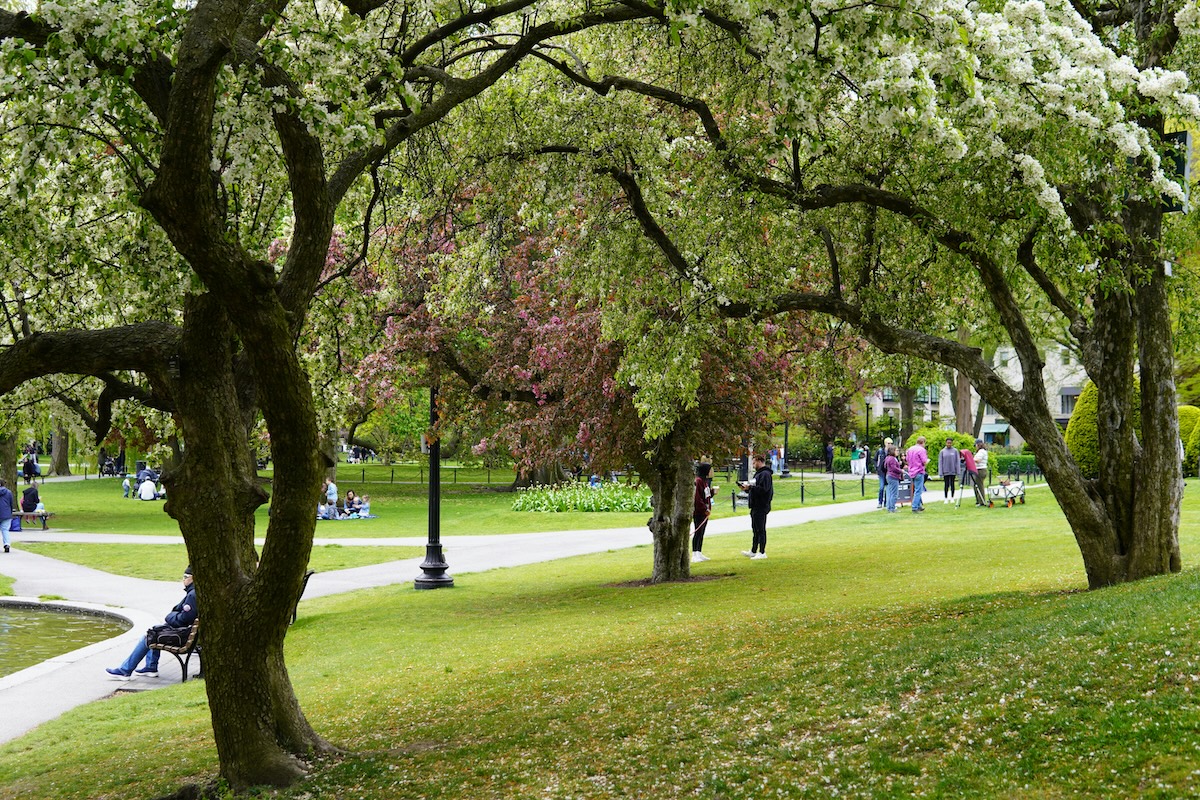
An 8-year-old boy died after a large branch broke from a tree and struck him during a summer day camp at King Gillette Ranch Park in Calabasas, California, in July 2025, according to KTLA. His parents are now set to receive more than $14 million from the public agency that manages the park and two other parties, and several other people hurt when the branch fell are set to share an additional recovery. The branch was reported to be roughly 25 to 30 feet long and to weigh about 100 pounds.
A day before the branch fell, an employee of a tree care company had flagged concerns about decay near the trunk and recommended thinning the canopy to reduce the risk, according to the reporting. Stories like this are a hard reminder that the most devastating injuries are often the most preventable.
Attorney's Take: Tom Feher
We handle cases where a public space that was supposed to be safe turned deadly, and they follow a pattern. Someone with responsibility for the property had information about a hazard, and the hazard was not fixed or fenced off in time. When the property belongs to a government agency, California law has a specific framework for these claims. Government Code section 835 allows an injured person or a grieving family to hold a public entity responsible when a dangerous condition of public property caused the harm and the entity had notice of that condition and a reasonable chance to act. A documented warning about a decaying tree is exactly the kind of notice these cases turn on.
The hardest and most important detail for families to understand is the clock. Claims against a public entity are not governed by the ordinary two-year deadline. Under the Government Claims Act, a written claim usually has to be presented to the agency within six months of the injury under Government Code section 911.2. Miss that window and an otherwise strong case can be lost before it starts. We have seen families come to us months after a tragedy, still in shock, unaware that a deadline was already running. That is why we tell people not to wait.
These cases also frequently involve more than one responsible party. A public agency may own and manage the land, but a private camp operator, a maintenance contractor, or a tree care company can each carry its own duty and its own insurance. Identifying every party and every layer of coverage is one of the first things an experienced California injury lawyer does, because the family should not have to absorb the cost of someone else’s failure to act on a known danger.
What California Law Says
California law gives families real tools after a fatal incident on public or private property, but the rules and deadlines are strict:
- Six-month government claim deadline. A claim against a public entity generally must be presented in writing within six months of accrual under Government Code 911.2, and a lawsuit can follow only after the agency responds or the time to respond passes. If that six months is missed, Government Code 911.4 allows a written application for leave to present a late claim, but it must be made within a reasonable time and no more than one year after the claim accrued.
- The second deadline most families never hear about. Once the agency mails a written rejection, Government Code 945.6 gives only six months from the date that notice is delivered or mailed to actually file suit. If the agency never sends proper notice, the window is two years from accrual. Missing this is fatal even when the original claim was filed on time.
- Dangerous condition of public property. Government Code 835 permits recovery when a dangerous condition of public property proximately caused the injury, the condition created a reasonably foreseeable risk of that kind of harm, and either an employee’s negligent act created it or the entity had actual or constructive notice long enough beforehand to have protected against it. A tree with visible decay or a documented history of dropped limbs is the classic notice case.
- Two-year deadline for other defendants. Claims against private parties such as a camp, a tree-care contractor, or a facility operator generally fall under the two-year deadline in Code of Civil Procedure 335.1.
- Who may sue for wrongful death. Code of Civil Procedure 377.60 identifies the family members who may bring a wrongful death claim, and Code of Civil Procedure 377.61 sets out the damages they may recover.
- The survival claim changed on January 1, 2026. Code of Civil Procedure 377.34 no longer allows the estate to recover the child’s own pre-death pain, suffering, or disfigurement in an action filed on or after that date. Those damages were available for actions filed between January 1, 2022 and December 31, 2025, and that window has closed, so the family’s wrongful death damages now carry the case.
- Pure comparative negligence. California adopted pure comparative negligence in Li v. Yellow Cab Co. (1975) 13 Cal.3d 804, so a claim is reduced by a party’s share of fault rather than barred. Civil Code 1431.2, enacted by Proposition 51, then makes each defendant severally liable for non-economic damages in direct proportion to that defendant’s own percentage of fault.
You can learn more about how we handle these matters on our California personal injury, premises liability, and wrongful death pages.
If This Happened to You or a Loved One
- Get medical attention right away and keep every record. The medical file becomes the backbone of the case.
- Preserve evidence while it still exists, including photos of the scene and the hazard, before anything is removed or repaired.
- Write down the names of any staff, witnesses, and responding agencies, and get any incident or report numbers.
- Note the six-month government claim deadline if a public park, school, or agency may be involved, and do not let it pass.
- Do not give a recorded statement to an insurer or sign any release before you have spoken with your own attorney.
- Contact a California attorney experienced in wrongful death and premises cases within days, not weeks, so evidence and deadlines are protected.
You pay nothing unless we win. Call Feher Law at (310) 340-1112 for a free, confidential consultation.
Talk to a California Personal Injury Attorney
Feher Law has recovered over $170 million for clients across Southern California. Call (310) 340-1112 or schedule a free consultation.
Frequently Asked Questions
Claims against a California government entity are governed by the Government Claims Act. You generally must present a written claim to the agency within six months of the injury under Government Code section 911.2, and only after that can a lawsuit follow. This deadline is much shorter than the two-year window for ordinary injury claims under Code of Civil Procedure section 335.1, so it is wise to talk to a lawyer quickly.
Yes, in the right circumstances. Government Code section 835 allows a claim when a dangerous condition of public property caused the harm and the public entity knew or should have known about it in time to fix it or warn of it. Parks, trails, and public grounds can all fall under this rule.
Under Code of Civil Procedure section 377.60, a surviving spouse, domestic partner, children, and certain other dependents may bring a wrongful death claim. The claim is meant to compensate the family for their loss, including support and companionship, and is separate from any survival claim on behalf of the person who died.
You may have more than one avenue of recovery. A camp or private contractor can be responsible for negligent supervision or maintenance, while a public landowner can be responsible for a dangerous condition of the property. Sorting out which parties and which deadlines apply early can protect a child's claim before evidence disappears.
Code of Civil Procedure section 377.61 lets a family recover for financial support the loved one would have provided, funeral and burial costs, and the loss of the person's love, companionship, and guidance. There is no general cap on these damages in an ordinary negligence case.
Feher Law handles wrongful death and serious injury cases on a contingency fee, so there is no upfront cost and the fee comes out of the recovery only if we win. You pay nothing unless we win.
Last reviewed by Thomas Feher, Esq. – September 2026
Attorney Advertising. Prior results do not guarantee a similar outcome. This article is for general information and is not legal advice for any specific matter.