
Pedestrian Killed by Metro Bus in Downtown LA | CA Injury Law
- Tom Feher, Esq.
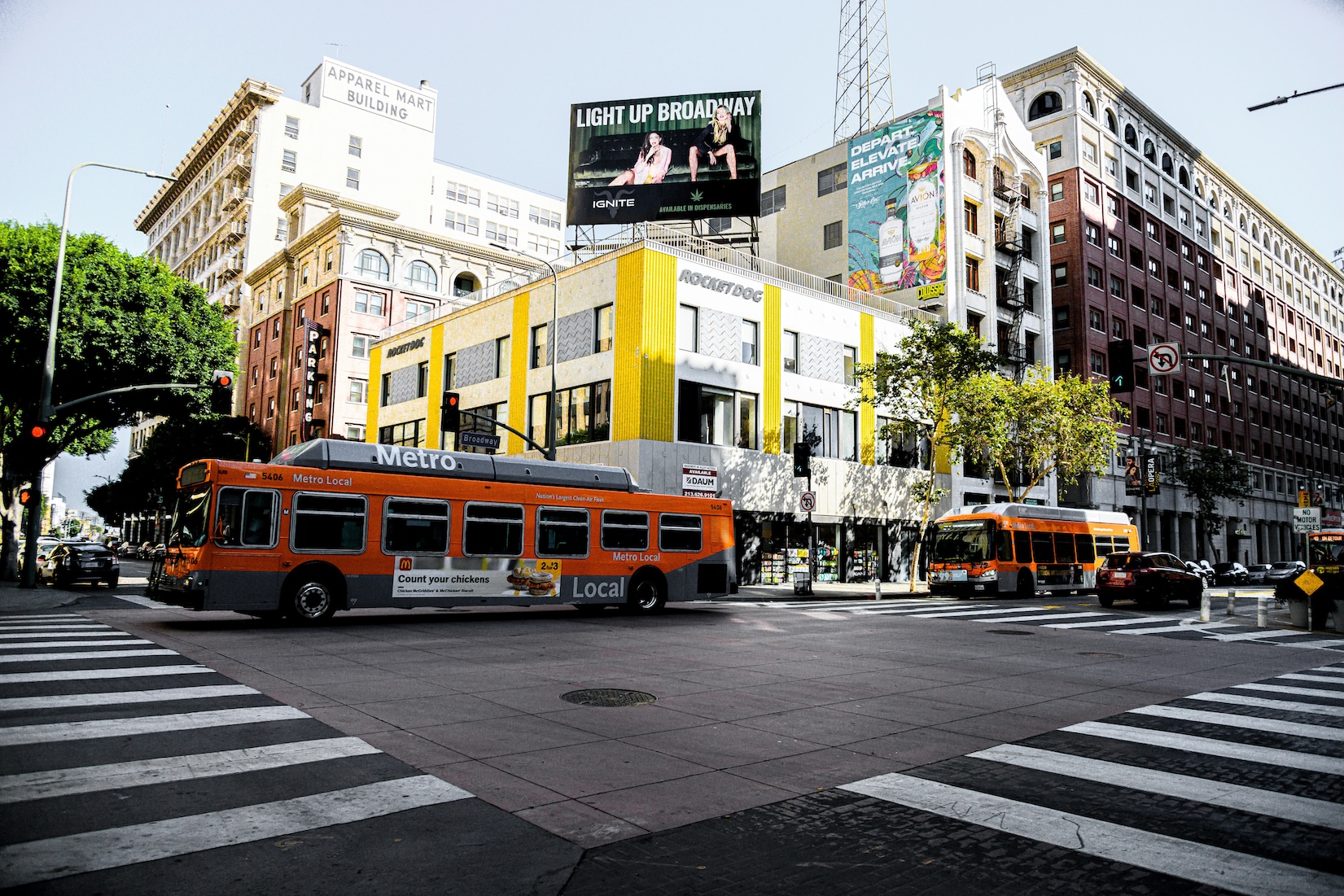
A pedestrian was struck and killed by a Metro bus on the 100 block of 6th Street near Skid Row in downtown Los Angeles on Sunday, July 5, 2026, according to KTLA. The Los Angeles Fire Department responded at 10:23 p.m. and pronounced the victim dead at the scene. The Los Angeles Police Department and the Los Angeles County Metropolitan Transportation Authority are investigating, and no further details had been released as of this writing.
Attorney's Take: Tom Feher
When we see a pedestrian killed by a city bus, the legal path looks very different from an ordinary two-car collision, and families rarely know that until the clock has almost run out. Los Angeles Metro is a public entity, and California law puts special rules in front of anyone who wants to hold a public agency accountable. The most important one is a deadline. Under Government Code 911.2, a written claim has to be presented to the agency within six months of the crash, and Government Code 945.4 says you generally cannot file a lawsuit until that claim has been presented and acted on or deemed rejected. There is then a second deadline almost nobody hears about: once the agency mails a written rejection, Government Code 945.6 allows only six months from that notice to file suit. We have seen strong cases lost simply because a grieving family did not know that six-month rule existed.
There is a standard-of-care point worth stating precisely, because it is widely misunderstood. A bus is a common carrier, and Civil Code 2100 requires a carrier of persons for reward to use the utmost care and diligence for their safe carriage. That heightened duty runs to the carrier’s passengers. A pedestrian struck outside the bus is owed the ordinary duty of reasonable care under Civil Code 1714, not the utmost-care standard. That is not a weakness in the case: a transit operator moving a heavy vehicle through a dense downtown corridor full of foot traffic is held to what a reasonable operator would do in exactly those conditions, and the agency answers for its driver under Government Code 815.2. We also look hard at the public entity’s responsibility for its employee’s conduct under Government Code 815.2, which makes an agency liable for injury proximately caused by an employee acting within the scope of employment wherever that employee would personally have been liable.
None of this is a comment on the specific people involved in Sunday’s crash, and the investigation is still open. It is general California law that applies whenever a pedestrian is hit by a public bus. If this happened to someone you love, the single most useful thing to understand is that the paperwork deadline is measured in months, not years.
What California Law Says
A fatal pedestrian crash involving a public transit agency touches several California statutes at once:
- Government claim deadline: Government Code 911.2 requires a written claim to the public entity within six months of the incident, and Government Code 945.4 bars a lawsuit until that claim is presented and acted on or deemed rejected.
- The second deadline, and the one that ends cases: after the agency mails a written rejection, Government Code 945.6 gives only six months from the date that notice is delivered or mailed to file suit. If proper notice never goes out, the window is two years from accrual. A timely claim does not save a late lawsuit.
- Standard personal injury deadline: Code of Civil Procedure 335.1 gives two years for most injury and wrongful death claims, but the six-month government claim rule controls when a public agency is a defendant.
- Common carrier duty, and its limit: Civil Code 2100 holds a bus to the utmost care and diligence for the safe carriage of its passengers. A pedestrian struck outside the bus is owed ordinary reasonable care under Civil Code 1714, not the utmost-care standard.
- Public entity liability: Government Code 815.2 makes an agency liable for injury proximately caused by an employee acting within the scope of employment.
- Wrongful death standing and damages: Code of Civil Procedure 377.60 sets out who may bring the claim, and Code of Civil Procedure 377.61 covers the damages a family can recover.
- The survival claim changed on January 1, 2026: Code of Civil Procedure 377.34 no longer allows the estate to recover the decedent’s own pre-death pain, suffering, or disfigurement in an action filed on or after that date.
- Comparative fault: California became a pure comparative negligence state in Li v. Yellow Cab Co. (1975) 13 Cal.3d 804, and Civil Code 1431.2 makes each defendant severally liable for non-economic damages in proportion to that defendant’s own share of fault.
If This Happened to You or a Loved One
Practical steps protect both the family and the case:
- Get medical attention and make sure the official records are complete, because those records become the backbone of the claim.
- Write down the agency report number from the responding LAPD officers and from Metro.
- Preserve evidence early, including photos of the scene, the crosswalk, signal timing, and the vehicle’s position before anything is cleared.
- Identify witnesses and get their contact information while memories are fresh.
- Do not give a recorded statement to any insurer or agency adjuster before you have talked to your own lawyer.
- Because a public agency is involved, contact a California pedestrian accident attorney within days, not weeks, so the six-month claim deadline is not missed.
Our team handles these cases across Southern California, from downtown Los Angeles to the South Bay and Long Beach. You can learn more on our California pedestrian accident lawyer page, our California wrongful death lawyer page, and our main California personal injury page. You pay nothing unless we win. Call Feher Law at (310) 340-1112 for a free, confidential consultation.
Talk to a California Personal Injury Attorney
Feher Law has recovered over $170 million for clients across Southern California. Call (310) 340-1112 or schedule a free consultation.
Frequently Asked Questions
When a public agency like Los Angeles Metro is involved, you normally have only six months from the date of the crash to file a written government claim under Government Code section 911.2. That is much shorter than the standard two-year personal injury deadline in Code of Civil Procedure section 335.1. Miss the six-month window and your case can be barred before it starts, so contact a lawyer right away.
Yes. Under California Civil Code section 2100, a bus is a common carrier and must use the utmost care and diligence to protect the people around it. That is a higher duty than the ordinary reasonable-care standard, and it can apply to how the bus is operated near pedestrians.
California follows pure comparative negligence. A recovery is reduced by the pedestrian's share of fault, but it is not eliminated even if the pedestrian was mostly at fault. An early scene investigation matters because the agency's insurer will often argue the pedestrian darted out.
Code of Civil Procedure section 377.60 lists who may sue, generally the surviving spouse, domestic partner, and children, and in some cases other dependents. The claim can recover both financial support and the loss of the loved one's love, companionship, and guidance under section 377.61.
Get the agency's report number, preserve any photos or video, and identify witnesses before the scene is cleared. Do not give a recorded statement to any insurer. Because the six-month government claim clock is running, talk to a California pedestrian accident attorney within days, not weeks.
Nothing up front. We handle personal injury and wrongful death cases on contingency, which means you pay nothing unless we win. The first consultation is free and confidential.
Last reviewed by Thomas Feher, Esq. – September 2026
Attorney Advertising. Prior results do not guarantee a similar outcome. This article is for general information and is not legal advice for any specific matter.