Two San Diego County Children Under 5 Are Among 13 People Sickened Nationwide by E. Coli Linked to Sierra Nevada Graziers Raw Milk Cheese
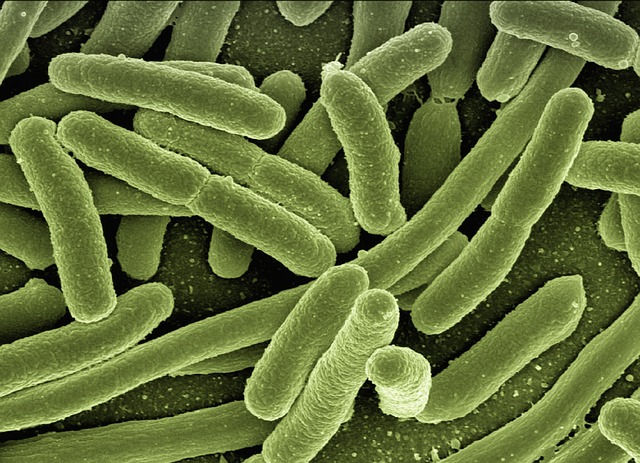
SAN DIEGO COUNTY, CALIFORNIA (31 de Octubre, 2026) – Two young children were injured in a multistate E. coli outbreak linked to Sierra Nevada Graziers raw milk cheese in San Diego County.
San Diego County officials are saying that the illnesses were tied to the cheese on Friday, September 25. Both children are under 5 years old, and they are among three California cases in an outbreak of Shiga toxin-producing E. coli O26:H11.
County epidemiologists helped identify the outbreak, which federal officials say has sickened 13 people in nine states, most of them young children. Eight people have been hospitalized, three have developed hemolytic uremic syndrome, a serious complication that can lead to kidney failure, and no deaths have been reported.
When public health officials interviewed nine of the people who became sick, all nine said they had eaten Sierra Nevada Graziers raw milk cheese. The FDA contacted the Sierra Nevada Cheese Company on September 24 and recommended a recall, and the company agreed the same day.
The recall covers Graziers grass-fed raw milk medium cheddar, sharp cheddar, jalapeño jack, and Monterey jack, sold in 8-ounce and 16-ounce packages and in 5-pound loaves. County health officials urge anyone who has the cheese to throw it away, and because it has a long shelf life, the FDA advises checking freezers as well as refrigerators.
The outbreak renews long-standing questions about whether aging alone makes raw milk cheese safe. Federal standards allow some cheeses to be made from unpasteurized milk if they are aged at least 60 days, but the FDA acknowledged in a Aviso del Registro Federal de 2015 that research shows E. coli O157:H7 can survive a 60-day aging period in cheddar.
The company has said the illnesses were associated with its medium cheddar, but investigators have not traced the contamination to a specific lot or production date, according to ABC News. Questions remain about how the bacteria entered the cheese, what testing was done on the milk and finished product, and how long contaminated cheese was on the market.
Liability for San Diego County Raw Milk Cheese E. Coli Illnesses
California law holds food manufacturers, distributors, and sellers strictly liable when they place a defective product on the market that injures a consumer. Under strict liability, an injured person generally does not have to prove that a company was careless, only that the food was contaminated and caused the illness. Food sellers also make an implied promise that what they sell is fit to eat, and contaminated food breaks that promise. Companies can also be liable for negligence when they ignore safe production practices. Responsibility in foodborne illness cases often depends on several factors:
- Controles de producción: Manufacturers must follow safety practices designed to keep harmful bacteria out of their products.
- Pruebas: Routine testing of raw ingredients and finished products can reveal contamination before food reaches stores.
- Distribution chain: Producers, wholesalers, and retailers can each share responsibility for selling contaminated food.
- Recall timing: Delays in removing contaminated products from the market can expand an outbreak.
- Evidencia médica: Stool tests and genetic sequencing can connect a person’s illness to a specific outbreak strain.
California’s highest court has drawn a clear line about when food sellers face strict liability. In Mexicali Rose v. Superior Court (1992), the California Supreme Court reviewed a claim by a restaurant customer who was injured by a one-inch chicken bone in a chicken enchilada. The court held that injuries caused by substances natural to a dish, like a bone in chicken, must be pursued through negligence, while injuries caused by foreign substances support claims for strict liability and breach of implied warranty. The court also noted that its natural-substance rule does not cover dangers such as bacteria or mold that do not belong in the food. That distinction matters in any case involving bacterial contamination.
Warning Signs of E. Coli Infection in Children
Shiga toxin-producing E. coli is one of the most dangerous foodborne bacteria, especially for young children. The CDC estimates that these bacteria cause about 265,000 infections, more than 3,600 hospitalizations, and 30 deaths in the United States each year, according to a California Department of Public Health report covering 2009 through 2012. The same report notes that about 5 to 10 percent of patients develop hemolytic uremic syndrome, a life-threatening complication. Young children face the highest risk of that complication. Parents should know the signs that call for prompt medical care:
- Bloody diarrhea: Diarrhea that turns bloody, especially with severe stomach cramps, should be checked by a doctor right away.
- Less urination: Peeing very little, a dry mouth, or dizziness when standing can signal dehydration or kidney trouble.
- Síntomas persistentes: Diarrhea lasting more than two days or vomiting that keeps liquids from staying down warrants medical attention.
- Prueba de heces: Asking for a stool test helps doctors confirm the infection and link it to an outbreak.
- Product records: Keeping packaging, receipts, or photos of the product can help health officials trace the source.
Raw milk products carry risks many families do not fully understand, especially for young children. Clear labeling, rigorous testing, and fast recalls help keep contaminated products out of homes. Health officials recommend choosing pasteurized dairy products for children under 5. People sickened by contaminated food have the right to hold producers and sellers accountable. Those who were injured may also be entitled to compensation for medical bills, lost income, and the long-term effects of complications like kidney damage.
Investigating E. Coli Outbreaks in San Diego County
Nosotros, en Ley Feher wish a full recovery to the two young children sickened in San Diego County. We hope this outbreak leads to accountability and to stronger safeguards for raw milk products sold to families. The illnesses raise safety concerns about whether aging requirements are enough to protect young children. How did E. coli survive the cheesemaking process long enough to reach children in San Diego County and across the country?
Have you or a loved one been affected by E. coli or another foodborne illness in San Diego or elsewhere in San Diego County? People who were sickened may be entitled to compensation for medical care, lost wages, and the disruption illness brings to daily life. Outbreak investigations often involve several companies along the supply chain, and each may offer a different explanation for where the contamination began. Our team of safety advocates and accident investigators can help you understand what happened, from production and testing records to distribution data and the public health findings that link illnesses to a source. If you have questions about your options or would like a free, independent investigation, we’re here for you anytime at (424) 433-4412.