
Average Shoulder Injury Settlement in California (2026): Car Accident Case Values
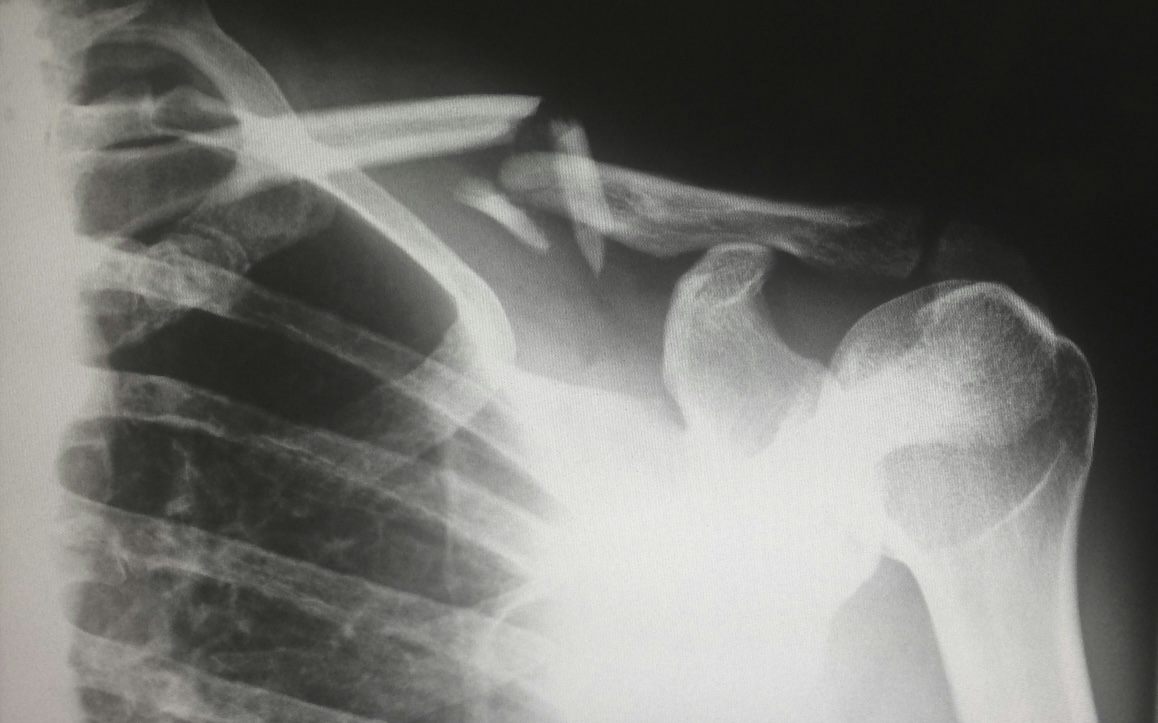
There is no standard settlement amount for a shoulder injury in California. What a claim is worth depends on the specifics of the case. How much is a shoulder injury worth after a car accident in California? It depends on three things above all: whether you needed surgery, whether the limitation is permanent, and how the injury affects your work.
Key Takeaways
- There is no standard shoulder injury settlement amount in California. What a claim is worth depends on the specifics of the case, and surgical cases carry the most value.
- Torn labrum and rotator cuff surgery cases sit at the top of the range in third party claims because the surgery documents both the injury and its permanence, but there is no standard figure even for them; what a claim is worth depends on the specifics of the case.
- Permanent loss of range of motion or overhead-work restrictions multiplies lost earning capacity damages.
- Insurers systematically undervalue shoulder claims before MRI imaging exists – never settle on X-rays alone.
- You have two years to file under Code of Civil Procedure 335.1, and only six months to present a written claim under Government Code 911.2 if a government vehicle was involved.
Hurt your shoulder in an accident that was not your fault?
Find out what your case is really worth before you talk to the adjuster. Call (424) 622-3350 – You pay nothing unless we win.
Shoulder Injury Settlement Amounts in California: Why There Is No Standard Figure
There is no standard settlement amount for a shoulder injury in California. What a claim is worth depends on the specifics of the case, and the drivers are the treatment path, whether the limitation is permanent, and how the injury affects your work.
- Shoulder sprain or strain resolved with therapy: treatment duration drives the value.
- AC joint separation: the grade of the separation and any residual instability drive the value.
- Dislocation with recurring instability: recurrence and activity limits drive the value.
- Labrum tear requiring arthroscopy: the surgery and the recovery outcome drive the value.
- Rotator cuff tear with surgical repair: permanence and occupation impact drive the value.
- Failed surgery or shoulder replacement: the permanent disability rating drives the value.
This is general information, not a prediction of what any case is worth. Every case depends on its own facts, the evidence, the law that applies, and the insurance available. Past results do not guarantee a similar outcome. This is not legal advice.
Get a personalized estimate with our free pain and suffering calculator.
Is There an Average Settlement for a Shoulder Injury in California?
Damages are measured by Civil Code 3333, the amount that compensates for all the detriment proximately caused, which is why a projected future surgery counts today. No single average is honest because outcomes split by treatment path: a therapy-only claim and a surgical shoulder case are different claims, and cases with permanent overhead-work restrictions for physical workers sit higher still. There is no standard settlement amount. What a claim is worth depends on the specifics of the case.
Factors Affecting Shoulder Injury Settlement Amounts in California
- Surgery vs conservative care: an operated shoulder is a categorically different case than one treated with physical therapy alone.
- Multiple defendants: Civil Code 1431.2 leaves each liable for all of your economic losses but only its own percentage of the pain and suffering.
- Permanent range of motion loss: measured impairment converts directly into higher non-economic and earning-capacity damages.
- Your occupation: a mechanic, electrician, nurse, or tradesperson who cannot work overhead has a lost earning capacity claim office workers do not.
- Dominant arm: injury to your dominant side increases daily-life impact and jury sympathy.
- Age and pre-existing degeneration: insurers argue degenerative changes; treating-physician causation opinions defeat this.
- Liability strength and policy limits: clear liability against a commercial defendant supports top-of-range outcomes.
Common Shoulder Injuries in California Car Accidents
The shoulder takes crash forces in three ways: bracing against the wheel, the seat belt loading the joint, and direct impact. The injuries we see most are rotator cuff tears, labrum (SLAP) tears, AC joint separations, dislocations, and fractures of the humeral head or clavicle. Symptoms often start as “soreness” and reveal a tear only when an MRI is finally ordered weeks later.
That delay is the insurer’s favorite argument, which is why documenting shoulder complaints at your first medical visit matters so much. In our practice, the difference between a low opening offer and a serious settlement is usually one MRI and a surgical consult. There is no standard settlement amount for a shoulder claim; what a claim is worth depends on the specifics of the case, and the imaging is what proves it.
Surgery Changes Everything: How Insurers Value Operated Shoulders
Arthroscopic labrum repair, rotator cuff repair, and shoulder stabilization each carry substantial medical billing, months of post-operative therapy, and measurable permanent impairment in many patients. California juries award real money for shoulders that never fully recover, and insurers price that risk into settlement once surgery is performed or credibly recommended. Code of Civil Procedure 998 sharpens that: a written offer served at least 10 days before trial shifts costs against a party that rejects it and then fails to beat it. Where the at-fault driver is underinsured, Insurance Code 11580.2 is what brings your own uninsured and underinsured motorist coverage into play.
A real example from our results: a shoulder injury settlement Feher Law secured for an injured client. Bring your imaging and surgical recommendation to the consultation and we can value the case in one conversation.
What If the Insurance Company Says It Is Degenerative?
California law answers this directly: a defendant takes the victim as found, and Civil Code 1714 makes them responsible for the injury their want of ordinary care actually caused, aggravation of a pre-existing condition included. Nearly every adult over 40 has some rotator cuff fraying on MRI, and insurers use that to blame your age instead of the crash. California law does not let them: under the eggshell plaintiff rule, a defendant who aggravates a pre-existing condition is liable for the full aggravation. The legal question is not whether your shoulder was pristine before, but whether the crash made it worse.
Treating-surgeon causation opinions, comparison of pre- and post-accident function, and the absence of prior shoulder treatment records defeat the degeneration defense in most cases.
Insurer calling your torn shoulder a pre-existing condition?
We beat the degeneration defense with medical evidence. Call (424) 622-3350 – You pay nothing unless we win.
What to Expect When You Work With Feher Law
- Free consultation: We evaluate liability, damages, and every available insurance policy the same day you call.
- Medical development: We work with treating physicians and specialists to document the full extent and permanence of your injuries.
- Complete damages demand: Economic losses, future care, and pain and suffering, valued the way juries value them.
- Negotiation and litigation: Most cases settle, and they settle best when the insurer knows we will try the case.
- No fee unless we win: You pay nothing up front, ever.
Why California Shoulder Injury Clients Choose Feher Law
The Feher Law team has recovered more than $200 million for California injury clients, including a $20.7 million traumatic brain injury verdict in July 2026 and an $8.5 million T-bone collision settlement published in the Daily Journal. We build shoulder cases on imaging, surgical opinions, and vocational evidence, and we serve clients across Torrance, Huntington Beach, Los Angeles, and all of California. You pay nothing unless we win.
Frequently Asked Questions
There is no standard settlement amount for a shoulder injury. What a claim is worth depends on the specifics of the case: a therapy-only injury that resolves is valued very differently from a surgical labrum or rotator cuff case, and a failed surgery or shoulder replacement sits higher still because the impairment is permanent.
There is no reliable average. A surgically repaired rotator cuff tear is valued on permanence, occupation, and the strength of the causation evidence, so what the claim is worth depends on the specifics of the case. Surgical repair generally puts these cases among the more valuable shoulder claims because it documents the injury objectively.
It can be. Measured range of motion loss, lifting restrictions, and overhead-work limitations are ratable permanent impairments that increase both economic and non-economic damages.
No. X-rays cannot show labrum or rotator cuff tears. Settling before advanced imaging means settling blind, and releases are final even if surgery becomes necessary later.
Straightforward cases resolve in 6 to 12 months. Surgical cases usually take 12 to 24 months because settlement should wait until your recovery outcome is known.
California's eggshell plaintiff rule makes the defendant liable for the full aggravation of a pre-existing condition. Degeneration on MRI does not defeat your claim.
Two years from the accident under CCP 335.1 for most cases, and a six month government claim deadline if a public entity vehicle was involved.
For therapy-only injuries with small bills, maybe not. For any torn or operated shoulder, represented claimants recover multiples of unrepresented ones because surgical valuation and the degeneration defense require medical evidence work.
Your shoulder is worth more than the first offer.
Get a free, honest valuation of your shoulder injury case today. Call (424) 622-3350 – You pay nothing unless we win.
This article is general information published by Feher Law, APC for marketing and educational purposes. It is not legal advice, it is not the opinion of any attorney about any specific case, and it does not create an attorney-client relationship. There is no standard settlement amount for any injury or case. What a claim is worth depends on the specifics of the case, and no result is predicted or guaranteed. Last updated November 2026.