
Insurance Coverage After a California Car Accident: Med Pay, Rental, and Total Loss (2026)
- Tom Feher, Esq.
From Tom Feher, Esq.
“Most of the coverage fights after a crash are winnable if you know the rules. Med pay is yours regardless of fault. The at-fault insurer owes you a rental. And a total-loss valuation is negotiable, not final. Insurers count on drivers not knowing these three things.”
Thomas Feher, Esq. · Founding Attorney, Feher Law APC · 50+ jury trials to verdict · $170M+ recovered
By Thomas Feher, Esq. · Founder, Feher Law APC · Last reviewed September 2026
After a California car accident, three coverage questions come up constantly: how your medical payments (med pay) coverage works, who pays for your rental car, and what to do when the insurer’s total-loss value on your car is too low (Insurance Code 790.03 and the Fair Claims Settlement Practices Regulations govern how insurers must evaluate total losses). This guide covers all three, and none of them require you to simply accept the insurer’s first answer.
Fighting your insurer after a crash? Speak with a California car accident lawyer at Feher Law for a free consultation. You pay nothing unless we win.
Key Takeaways
- Med pay covers your medical bills regardless of who was at fault, up to your policy limit.
- The at-fault driver’s insurer generally owes you a comparable rental while your car is repaired.
- A total-loss valuation is negotiable; you can dispute a lowball with your own comparables.
- You are not required to accept the insurer’s first offer on any of these.
- If the insurer is unreasonable, that can rise to bad faith.
Not sure what your case is worth? Take our free 60-second Case Value Estimator for a personalized settlement range. It is anonymous, with no obligation.
How Med Pay Works
Medical payments coverage (med pay) is optional first-party coverage that pays your accident-related medical bills up to your limit, regardless of fault. It applies even if the crash was your fault, and it stacks on top of any recovery from the at-fault driver. Use it to keep medical bills current while the liability claim is pending. It typically does not require you to prove the other driver was at fault.
Who Pays for Your Rental Car
When another driver is at fault, their liability insurer generally owes you a reasonably comparable rental car while yours is being repaired, or for a reasonable period after a total loss. If you carry rental reimbursement on your own policy, you can use that immediately and let your insurer pursue the at-fault carrier. Keep the rental class comparable to your vehicle; insurers sometimes try to limit you to an economy car.
Disputing a Total-Loss Valuation
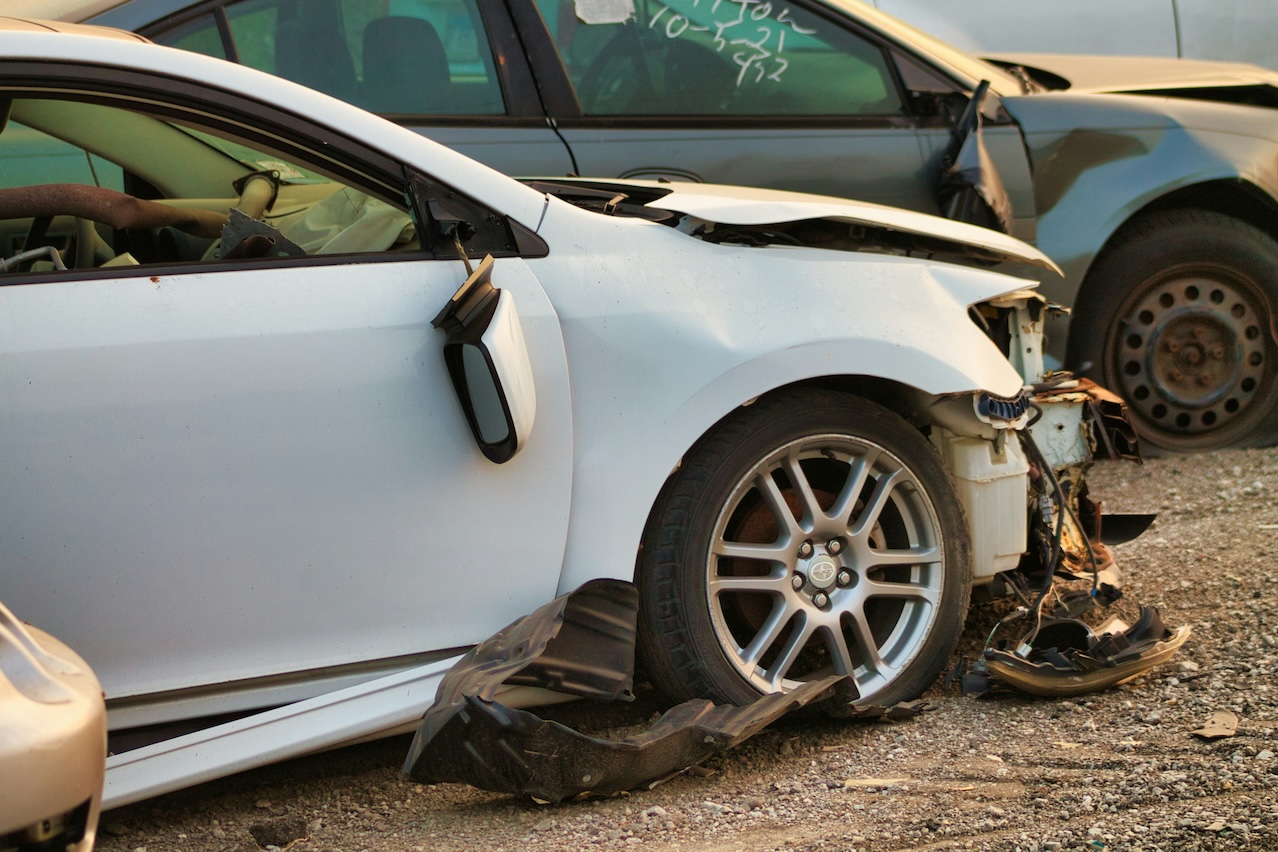
When your car is totaled, the insurer owes its actual cash value (ACV), what a comparable vehicle would sell for locally, not a lowball book figure. If the offer is low, gather listings for comparable local vehicles (same year, mileage, trim, condition) and submit them. You can also point to recent maintenance and options that add value. A total-loss offer is a starting point for negotiation, not a final number, and an unreasonable insurer stance can support a bad-faith argument.
Do You Have to Use the Insurer's Repair Shop
No. In California you have the right to choose where your vehicle is repaired; an insurer cannot require you to use its preferred shop, though it may recommend one. If you prefer your own mechanic or dealership, you can use them. The insurer generally must pay for repairs that restore the vehicle to its pre-accident condition using parts of like kind and quality. If the estimate is too low to do the job properly, that is a point to negotiate, not simply accept.
Diminished Value Claims in California
Even after a proper repair, a vehicle that has been in a significant crash is worth less on resale simply because of its accident history. California recognizes diminished-value claims against the at-fault driver’s insurer under the full-detriment measure in Civil Code 3333: the difference between your car’s value before the crash and its value after repair. This is separate from the repair cost itself and is frequently overlooked. Documenting the pre-loss value and obtaining a diminished-value appraisal is how you recover it.
Your Rights on Vehicle Repairs and Total Loss
Two of the most common post-crash disputes, where your car gets fixed and what a totaled car is worth, are areas where drivers have more rights than insurers volunteer. On repairs, California law gives you the right to choose your own repair shop; an insurer may recommend a preferred shop but cannot require you to use it, and it must pay to restore your vehicle to its pre-accident condition using parts of like kind and quality. If the insurer’s estimate is too low to do the job correctly, that is a point to negotiate rather than accept. On a total loss, the insurer owes the vehicle’s actual cash value, what a comparable vehicle would sell for in your local market, not a generic book figure. When the offer is low, you can and should submit listings for comparable local vehicles of the same year, mileage, trim, and condition, and document recent maintenance and options that add value. A total-loss offer is a starting point for negotiation, not a final number.
Med Pay, Health Insurance, and Who Pays Your Bills
After a crash, medical bills arrive long before any settlement, and understanding the payment sources keeps you from falling behind. Medical payments coverage (med pay) is optional first-party coverage that pays accident-related medical bills up to your limit regardless of fault, and it applies even if the crash was your fault. It can be used immediately to keep bills current while the liability claim is pending, and it generally does not require you to prove the other driver was responsible. Your health insurance can also cover treatment, though it may later assert a lien for reimbursement out of your settlement, limited by Civil Code 3040. The at-fault driver’s liability insurer ultimately owes your medical damages, but it typically pays only at the end, in a lump sum, which is why med pay and health coverage matter for bridging the gap. Coordinating these sources, and understanding which ones must be repaid, is part of maximizing your net recovery.
Diminished Value: The Claim Most Drivers Miss
Even a perfectly repaired vehicle is worth less after a significant accident, simply because its history now includes a crash, and California lets you recover that lost value from the at-fault driver’s insurer. This is a diminished-value claim, and it is separate from and in addition to the cost of repairs. The measure is the difference between what your vehicle was worth immediately before the accident and what it is worth after being repaired. Newer vehicles and those with clean histories tend to lose the most value. To pursue it, you document the pre-loss value and obtain a diminished-value appraisal that quantifies the loss, then present the claim to the at-fault carrier. Insurers rarely mention this option because it costs them money, so many drivers never claim it, leaving real compensation on the table after an accident that was not their fault.
Who Pays for My Rental Car After a Crash in California?
The at-fault driver’s insurer owes your rental costs as part of property damage (a claim you have three years to file under Code of Civil Procedure 338) – but they only start paying once they accept liability, which can take weeks. The faster route: use your own rental reimbursement coverage now and let your insurer collect from theirs (subrogation). Keep receipts; loss-of-use damages are recoverable even if you did not rent a car.
Who Pays My Medical Bills After a Car Accident in California?
Initially: your health insurance, your Med-Pay coverage if you have it, or treatment on a medical lien. The at-fault driver’s insurer pays at the END, in the settlement – they do not pay bills as you go. This surprises most victims and is exactly why bills should route through health insurance or Med-Pay first, with the settlement reimbursing later at negotiated rates.
Frequently Asked Questions
Yes. Med pay covers your accident-related medical bills up to your limit regardless of fault.
Generally the at-fault driver's insurer owes a comparable rental while your car is repaired. Your own rental-reimbursement coverage can also be used immediately.
Yes. The insurer owes actual cash value based on comparable local vehicles. Submit your own comparables to negotiate a lowball offer up.
What a comparable vehicle (same year, mileage, trim, condition) would sell for in your local market, not a generic book value.
An unreasonable denial or lowball with no basis can rise to bad faith, which exposes the insurer to additional damages.
Nothing unless we win. We handle car-accident claims on contingency under a written agreement as Business and Professions Code 6147 requires, and the two-year injury deadline in Code of Civil Procedure 335.1 runs from the crash.
Not sure what your case is worth? Take our free 60-second Case Value Estimator for a personalized settlement range. It is anonymous, with no obligation.
Last reviewed by Thomas Feher, Esq. – September 2026