Three Children Are in Intensive Care as Health Officials Investigate Whether Brookshire Farms Is the Source of Five E. Coli Cases
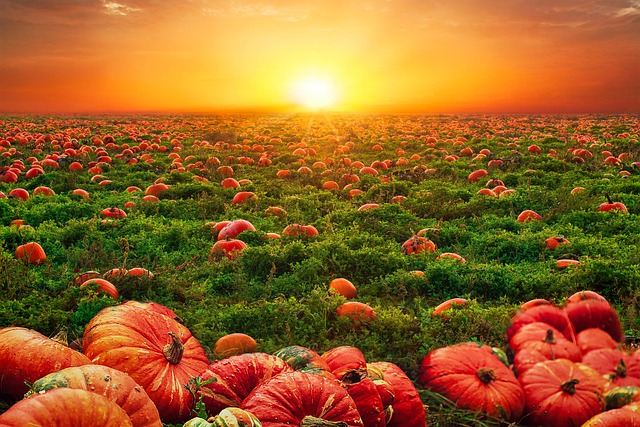
SAN LUIS OBISPO, CALIFORNIA (29 de Octubre, 2026) – Five people, including three children, have been sickened in an E. coli outbreak that health officials are investigating for a possible link to Brookshire Farms, the pumpkin patch and corn maze on Los Osos Valley Road in San Luis Obispo.
San Luis Obispo County officials are saying that the suspected exposures occurred between Friday, October 16, and Monday, October 26. The County of San Luis Obispo Department of Public Health confirmed the five cases of Shiga toxin-producing E. coli in a comunicado de prensa on Tuesday, October 27, and later widened its initial exposure window of October 16 through 18.
All five patients, two adults and three children, had visited Brookshire Farms, a county spokesperson told ABC News. The three children are seriously ill and receiving pediatric intensive care.
The source of the infections has not been confirmed, and the farm’s owner has said a direct link has not been established, according to the Noticias diarias de Paso Robles. Brookshire Farms closed voluntarily and is cooperating with Public Health.
The county is urging anyone who visited the farm during that period and develops cramping abdominal pain or bloody diarrhea to contact a health care provider. Symptoms usually appear three to five days after exposure but can take up to 10 days, and children under 10 face the highest risk of complications, officials said.
Brookshire is not the only fall attraction under scrutiny this season. In Illinois, health officials are investigating five confirmed E. coli cases possibly linked to Bengtson’s Pumpkin Farm, where the petting zoo was closed, according to ZORRO 32 Chicago.
Orientación nacional de la CDC and state public health veterinarians calls for handwashing stations, clearly defined animal contact areas, and keeping food away from animal spaces at farms and similar venues. Investigators may want to know whether food service, water, play areas, hayrides, or any animal contact at Brookshire Farms played a role.
Liability for San Luis Obispo E. Coli Outbreaks
California law requires businesses that invite the public onto their property to take reasonable steps to keep visitors safe. Artículo 1714 del Código Civil makes people and businesses responsible for injuries caused by a lack of ordinary care in managing their property. In Rowland contra Christian (1968), the California Supreme Court explained that the key question is whether a property owner acted reasonably in light of the likelihood of injury to others. For farms and agritourism venues, that can include food handling, water sources, sanitation, and any areas where visitors come into contact with animals. When an outbreak is traced to a venue, investigators and families often focus on the following:
- Saneamiento: Handwashing stations with soap and running water are a basic safeguard where people touch animals or farm surfaces.
- Seguridad alimenticia: Food and drinks served on-site must be handled and stored to prevent contamination.
- Animal areas: Clear boundaries and supervision help limit visitors’ contact with manure and bedding.
- Advertencias: Signs should alert visitors, especially families with young children, to health risks and precautions.
- Pruebas: Laboratory results and genetic sequencing can connect patients to a common source.
Courts have weighed these questions in past outbreaks tied to animal attractions. In Rolan v. North Carolina Department of Agriculture and Consumer Services (2014), the North Carolina Court of Appeals reviewed claims brought on behalf of children who contracted E. coli in an outbreak linked to a petting zoo at the 2004 state fair, where about 108 people became ill. The court upheld a finding that the fair’s precautions met the standard of reasonable care as it was understood in 2004, while noting those steps might not be enough today. The decision shows that liability turns on what a reasonable operator knew and did at the time, and that safety expectations rise as risks become better understood. Every outbreak must be judged on its own evidence.
Recognizing Serious E. Coli Complications
Shiga toxin-producing E. coli can lead to hemolytic uremic syndrome, a dangerous complication that can damage the kidneys. A Departamento de Salud Pública de California summary of cases from 2009 through 2012 found that 10.7% of E. coli O157 infections in the state progressed to the condition. Among patients younger than five, the rate was even higher, with 55 of 299 children, or 18.4%, developing it. Families who visited a venue linked to cases should keep the following in mind:
- Sintomas: Severe stomach cramps, vomiting, and diarrhea, especially if bloody, call for prompt medical care.
- Tiempo: Illness usually begins three to five days after exposure but can take up to 10 days.
- Deshidración: Signs like reduced urination, dizziness, or extreme tiredness need immediate attention.
- Cooperación: Answering health investigators’ questions helps pinpoint the source and protect others.
- Archivos: Tickets, receipts, photos, and medical records help document when and where exposure may have occurred.
Outbreaks tied to public attractions often affect children most severely, and recovery from complications can take months. Families may face hospital stays, follow-up care, and time away from work while a child heals. Businesses that open their gates to the public have a responsibility to manage known health risks. Injured visitors and their families may be entitled to compensation for medical expenses and other losses when a venue falls short. Clear answers are also essential to preventing the next outbreak.
Investigating E. Coli Outbreaks in San Luis Obispo
Nosotros, en Ley Feher send our best wishes for a full recovery to the five people sickened after visiting a San Luis Obispo farm, including the three children in intensive care. We hope health officials quickly identify the source, and that fall attractions across the region strengthen their safeguards for young visitors. These cases raise safety concerns about sanitation and disease prevention at family farms that draw large crowds each season. What precautions should every farm that welcomes children have in place before its gates open?
Have you or your child become ill with E. coli after visiting a farm, pumpkin patch, or other attraction in San Luis Obispo County or elsewhere on the Central Coast? People sickened in a preventable outbreak may be entitled to compensation for hospital care, lost work, and the strain a long recovery places on a family. Lab results, inspection findings, and a venue’s own sanitation records are usually held by health agencies and the business, not by the people who got sick. Our team of safety advocates and accident investigators can help you understand what happened, from public health reports and genetic testing results to sanitation logs and handwashing setups. If you need help understanding your options or want answers about your rights, we’re here for you anytime at (310) 340-1112.