Diego Quiceno Quiceno Killed as MTA Bus Made a Left Turn Near Ken Malloy Harbor Regional Park
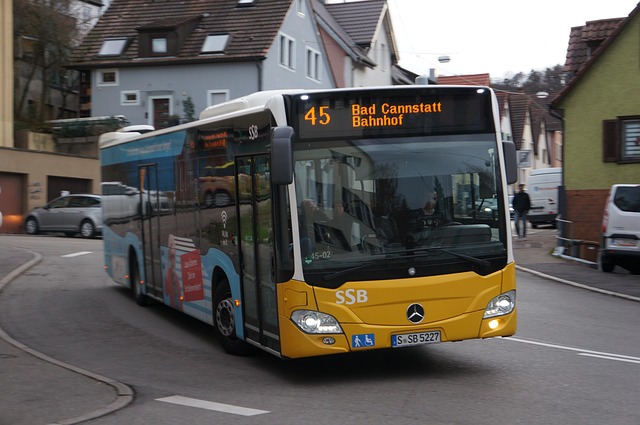
HARBOR CITY, CALIFORNIA (October 28, 2026) – A 34-year-old motorcyclist identified as Diego Quiceno was killed in a motorcycle and bus accident near Ken Malloy Harbor Regional Park in Harbor City.
Los Angeles County officials are saying that the crash occurred around 7:22 p.m. on Sunday, October 4. Diego Quiceno was riding north on Vermont Avenue near Normandie Avenue when an MTA bus made a left turn at the intersection, according to MyNewsLA.
For undetermined reasons, the motorcycle and the bus collided near the park. First responders were called to the scene, where Diego Quiceno was pronounced dead.
No one on the bus was injured. Authorities released Quiceno’s identity the following day.
Left-turn collisions have taken motorcyclists’ lives in Harbor City before. In September 2025, a rider was killed on Pacific Coast Highway near Western Avenue after a van turned left in front of him, according to police.
Families may want to know what the bus operator could see while turning, whether the signal gave the bus a protected turn, and whether onboard cameras captured the moments before impact.
Liability for Harbor City Motorcycle and Bus Accidents
California law places a clear duty on drivers who turn left at intersections. Under Vehicle Code section 21801, a driver turning left must yield to oncoming vehicles close enough to pose a hazard and keep yielding until the turn can be made safely. These rules apply to bus operators just as they apply to every other driver, and public agencies can be held responsible for the conduct of their employees on the job. Claims against a public entity also come with a strict timeline, because Government Code section 911.2 generally requires claims for death or personal injury to be presented within six months. California also follows comparative fault under Li v. Yellow Cab Co., so responsibility can be shared and a rider’s own conduct does not automatically bar a family from seeking accountability. Responsibility in these crashes often turns on several factors:
- Right-of-Way: Left-turning drivers must judge the speed and distance of oncoming traffic before crossing its path.
- Visibility: Large vehicles like buses have blind spots and wide turning arcs that require extra caution at intersections.
- Signal Timing: Whether a turn was made on a protected arrow or a permissive green can shape how responsibility is assessed.
- Operator Training: Transit agencies are expected to train and supervise drivers to handle turns safely around motorcycles and other vehicles.
- Video Evidence: Onboard bus cameras, nearby business footage, and traffic signal data can help reconstruct the moments before a collision.
California’s highest court has made clear that failing to yield while turning left can establish negligence. In Schmitt v. Henderson, a 1969 decision from the California Supreme Court, a driver making a left turn in San Francisco struck an elderly man who was crossing in a marked crosswalk on a green light. The driver admitted she did not see him until her car was a few feet away, and a jury found in her favor. The Supreme Court reversed, holding that she was negligent as a matter of law for failing to yield the right of way and that a person with the right of way may reasonably assume others will yield unless something warns otherwise. Although that case involved a pedestrian, its reasoning about right-of-way duties during left turns applies broadly to everyone on the road.
Why Left Turns Are So Dangerous for Motorcyclists
Motorcyclists face far greater risks than people in passenger cars. According to NHTSA’s 2023 motorcycle data, 6,335 motorcyclists were killed nationwide that year, and their fatality rate per mile traveled was about 28 times that of passenger car occupants. Motorcyclists accounted for 15% of all traffic fatalities in 2023. In 46% of fatal two-vehicle crashes involving a motorcycle, the other vehicle was turning left while the motorcycle was going straight, passing, or overtaking. Drivers and riders can both take steps to reduce these risks:
- Look Twice: Drivers should check carefully for motorcycles, which are smaller and easier to miss, before turning left.
- Judge Speed: Oncoming motorcycles can appear farther away and slower than they really are, so drivers should allow extra margin.
- Ride Visible: Bright gear and a working headlight can help riders stand out, especially after dark.
- Cover Brakes: Riders approaching intersections can slow down and be ready to stop when a vehicle is waiting to turn.
- Avoid Blind Spots: Riders should stay clear of the large blind spots around buses and trucks.
Left-turn crashes are among the most preventable collisions on the road, yet they continue to take lives. When the turning vehicle is a bus operated by a public agency, questions about training, scheduling, and safety oversight come into play. Every driver, whether behind the wheel of a car or a full-size bus, shares responsibility for watching for motorcycles. Families who lose a loved one in these crashes have the right to seek answers and accountability, including access to video and investigative records. Thorough investigations that preserve footage quickly are often the best way to establish what happened. Learning from each tragedy can help make intersections safer for everyone.
Investigating Motorcycle and Bus Accidents in Harbor City
We at Feher Law offer our deepest condolences to the family and loved ones of Diego Quiceno. We hope a thorough review of this crash brings answers and accountability, and that it leads to safety improvements that protect motorcyclists at busy Harbor City intersections. This tragedy raises serious concerns about how large transit vehicles navigate left turns. Transparency is greatly needed. Did the bus have a safe opportunity to complete its turn before the motorcycle reached the intersection?
Have you or a loved one been affected by a motorcycle or bus accident in Harbor City or elsewhere in Los Angeles County? There are many laws created to protect your rights. Among other things, negligent bus companies can be held legally responsible for their actions. Our team of safety advocates and accident investigators can help you understand what happened, from bus camera footage and signal timing data to witness accounts that may tell a different story than early reports. If you need answers to legal questions or any other support, we’re here for you, and you can reach out to us anytime at (310) 340-1112.