Tesla Dashcam Shows Swerve Before Domingo Gonzales Was Struck on Dark Stretch of I-80
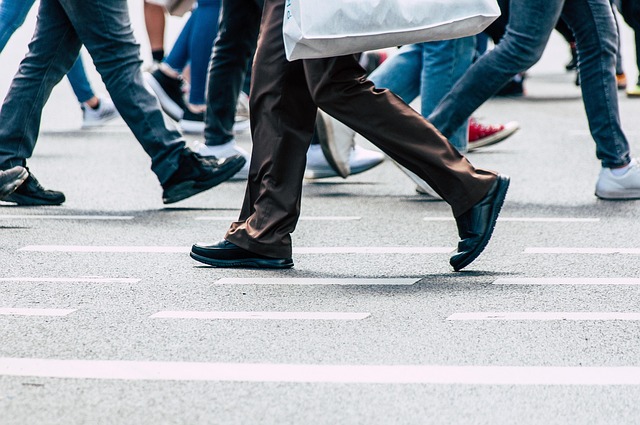
VALLEJO, CALIFORNIA (October 28, 2026) – A 71-year-old pedestrian identified as Domingo Gonzales was killed in a Tesla Full Self-Driving accident on Interstate 80 in Vallejo.
Solano County officials are saying that the crash occurred around 2:34 a.m. on Thursday. Domingo Gonzales was on foot near westbound I-80 at the I-780 interchange when he began crossing from the right shoulder toward the center divider, according to the California Highway Patrol.
A Tesla driven by a 26-year-old San Francisco man was traveling at roughly 70 mph on a dark section of the freeway at the time, ABC7 reported. The driver told officers the vehicle was operating in Full Self-Driving mode.
Dashcam video reviewed by investigators shows the Tesla braking and steering left in an effort to avoid Gonzales, but the right front of the car still struck him. Authorities believe he was then hit by at least one other vehicle that did not stop while he lay in the roadway.
First responders were called to the scene, where Domingo Gonzales was declared dead. The Tesla driver remained at the scene and provided the footage to officers, and the Solano County Coroner identified Gonzales on Friday.
Federal regulators have long scrutinized Full Self-Driving. NHTSA opened a preliminary evaluation in October 2024 after crashes in reduced-visibility conditions, including one that killed a pedestrian, and in March 2026 upgraded the probe to an engineering analysis of whether the system detects degraded visibility and warns drivers.
In December 2025, the California DMV found that Tesla’s “Full Self-Driving Capability” marketing was misleading under state law, and the feature is now labeled “Supervised.” Families may want to know how the system handled a pedestrian on a dark freeway at night, what the driver could see in the seconds before impact, and who was behind the wheel of the vehicle that did not stop.
Liability for Vallejo Tesla Full Self-Driving Accidents
California law places duties on both pedestrians and drivers, even on high-speed roads. Under Vehicle Code section 21954, a pedestrian outside a crosswalk must yield to vehicles close enough to be an immediate hazard, but the statute expressly preserves the driver’s duty to use due care for any pedestrian on the roadway. California also follows comparative fault under Li v. Yellow Cab Co., so a pedestrian’s own conduct does not automatically erase another party’s responsibility. When a driver-assistance system is involved, product liability law can come into play as well, and Barker v. Lull Engineering Co. allows a design to be found defective if it fails ordinary safety expectations or if its risks outweigh its benefits. Responsibility in these cases often turns on several overlapping duties:
- Driver Supervision: Systems sold as Full Self-Driving (Supervised) still require the person behind the wheel to watch the road and be ready to take over at any moment.
- Safe Speed: Drivers are expected to travel at speeds that let them react to hazards within the reach of their headlights, especially on dark freeways.
- System Design: Manufacturers may be responsible when driver-assistance software fails to detect pedestrians or respond the way a reasonably safe design would.
- Adequate Warnings: Companies must clearly communicate a system’s limits so drivers do not over-rely on automation.
- Duty to Stop: Any driver involved in a collision that injures or kills someone must stop, identify themselves, and help get aid to the victim.
Courts have started to examine these questions directly. In Benavides v. Tesla, Inc., a 2025 decision from the U.S. District Court for the Southern District of Florida, the estate of Naibel Benavides Leon sued after a Tesla Model S using Autopilot ran through a T-intersection and struck her as she stood near a parked vehicle. Tesla argued that the inattentive driver alone caused the crash, but the court found a reasonable jury could conclude Autopilot was defectively designed, in part because it could be engaged on roads it was not built to handle. The ruling showed that a driver’s mistakes do not automatically shield a manufacturer from scrutiny. Every case depends on its own evidence, but the decision illustrates how responsibility can extend beyond the person behind the wheel.
Pedestrian Safety on Freeways After Dark
Nighttime remains the most dangerous time for people on foot near traffic. According to NHTSA’s 2023 pedestrian data, 7,314 pedestrians were killed in traffic crashes that year, and 77% of those deaths occurred in the dark. The same report found that pedestrians made up 18% of all traffic fatalities in 2023. Freeway speeds leave drivers and automated systems little time to react. Several practical steps can reduce these risks:
- Stay Engaged: Drivers using any driver-assistance feature should keep their eyes on the road and hands ready to take control, particularly at night.
- Slow Down: Reducing speed in poorly lit areas gives drivers more time to spot and avoid someone on foot.
- Use High Beams: When no oncoming traffic is present, high beams can extend how far ahead a driver can see.
- Report Hazards: Calling 911 when a person is seen walking along a freeway can bring help before a tragedy occurs.
- Preserve Footage: Dashcam video and onboard vehicle data can be critical in reconstructing what happened after a collision.
As driver-assistance technology becomes more common, the question of who is watching the road grows more urgent. Automakers, drivers, and transportation agencies all play a role in protecting pedestrians, especially older adults and others who are most vulnerable on busy roads. When a pedestrian is killed, families have the right to seek a full accounting of what happened, including access to vehicle data and video. Transparency in these investigations can help prevent the next tragedy.
Investigating Tesla Full Self-Driving Accidents in Vallejo
We at Feher Law offer our deepest condolences to the family and loved ones of Domingo Gonzales. We hope this investigation brings full accountability for everyone involved and leads to safety improvements that better protect pedestrians on Bay Area freeways. This tragedy raises serious concerns about how driver-assistance systems detect people on dark roads. One question remains critical. When a car is marketed as self-driving, who is truly watching the road?
Have you or a loved one been affected by a pedestrian accident or a self-driving vehicle accident in Vallejo or elsewhere in Solano County? You have rights, and when a major automaker and its software are involved, getting clear answers can feel like an uphill battle. Our team of safety advocates and accident investigators can help you understand what happened, from dashcam footage and vehicle data logs to witness accounts that may fill in what early reports leave out. If you need answers to legal questions or any other support, we’re here for you, and you can reach out to us anytime at (310) 340-1112.